Guides for hosts
How to budget for an event without losing sight of what matters
Organize your event budget with fixed costs, per-person expenses, scenarios, and a practical example to decide what's truly worth spending on.
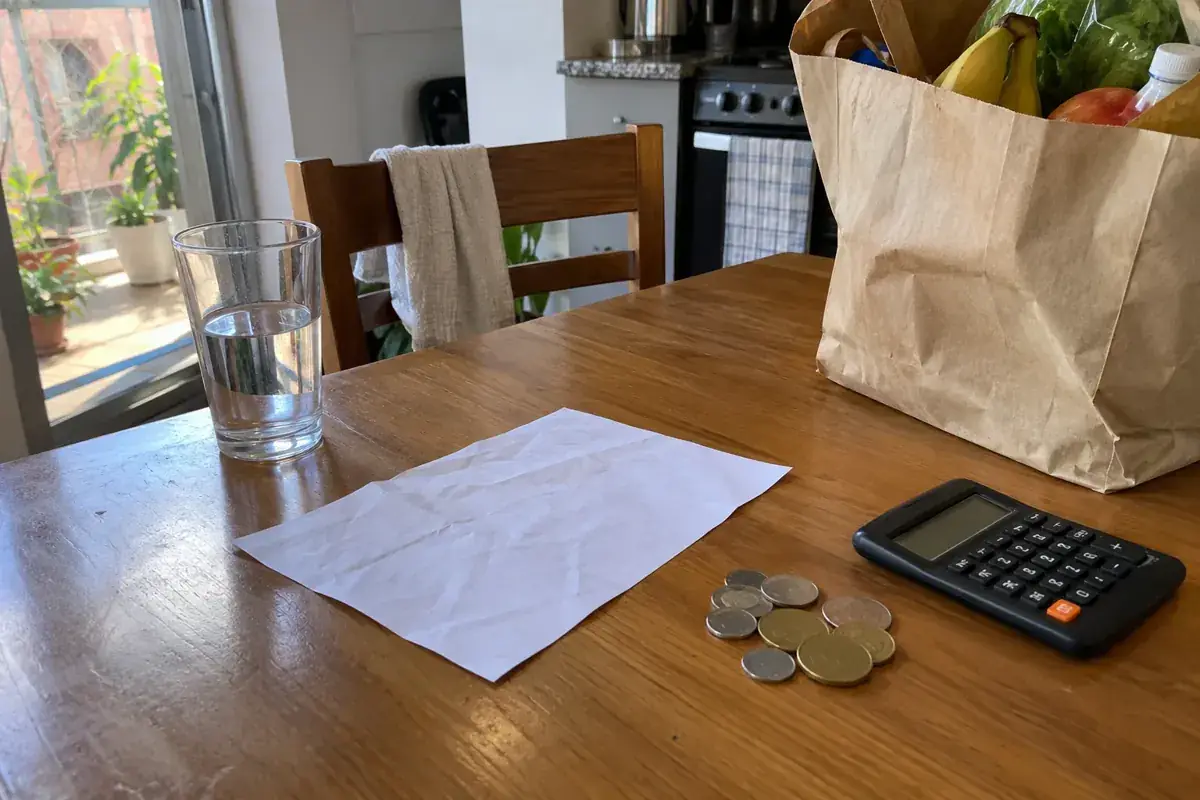
To build an event budget, separate fixed from variable costs, calculate each item individually, and test the total across three scenarios before confirming purchases. A useful budget does not start with a wish list of nice things. It starts with two decisions: how much you can spend on the gathering and what kind of experience you want to protect. Maybe your priority is great food, unhurried conversation, or bringing together people who live far away. Defining those priorities helps you weigh options without turning every purchase into an argument. This guide outlines a method for planning a personal event or small celebration, using numbers you can adjust. The examples are hypothetical: they do not represent prices in any specific country or guarantee particular savings. The goal is for you to know exactly what you are committing to before booking.
Define a limit you can explain
Write down a maximum amount and clarify what it covers. If you say "we have 12,000," but transportation, cleanup, and staff meals are coming out of someone else's pocket, you do not yet know the true cost of the event. Use a single currency on the main sheet. If you receive quotes in different currencies, record the date and conversion rate; do not present an estimate as a guaranteed figure. Also separate confirmed contributions from those someone is still considering.
Then pick three priorities and make one conscious tradeoff. For example: plenty of food, a comfortable space, and a warm welcome; simple decorations. That decision does not mean other things do not matter. It gives you a rule to resolve disagreements when add-ons crop up. Before approving a purchase, ask which priority it elevates and what you would need to cut to pay for it. If the benefit is hard to pinpoint, put it on a wish list and revisit it once non-negotiable expenses are clear.
Distinguish fixed costs from variable costs
Fixed expenses barely change when you add one more person: venue rental, a hired delivery truck for setup, or sound equipment. Variable expenses depend on guest count: individual meals, cups, certain drinks, or favors. Some line items are mixed. A vendor might charge a flat service fee plus a per-guest rate. Log them separately so your calculation does not hide price jumps, booking minimums, or late-night surcharges.
A simple layout uses six columns: item, quantity, unit cost, estimated, confirmed, and paid. Add a notes column for key terms, such as the deadline to adjust headcount or who will pick up supplies. Do not subtract deposits from the total event cost: a deposit is an amount already paid, not a discount. If a rental costs 2,000 and you put down 500, the total commitment is still 2,000 and the remaining balance is 1,500. Keeping that clear prevents a common surprise as the date approaches.
Read more: An event timeline that actually holds up on the big day.
Budget template to fill out
Copy this layout into a spreadsheet. The amounts are left blank on purpose: every event requires actual quotes, not numbers pulled from someone else's situation.
| Item | Expense type | Estimated | Confirmed | Paid |
|---|---|---|---|---|
| Venue or hall | Fixed | |||
| Food and drinks | Variable | |||
| Transportation or setup | Fixed | |||
| Music or equipment | Fixed | |||
| Decorations and printed materials | Variable | |||
| Contingencies | Reserve |
Before filling in the blanks, confirm which items depend on headcount and which are charged once. To estimate beverages more accurately, see how to calculate drinks for an event.
Test the budget with three scenarios
Assume a cap of 12,000 monetary units, fixed expenses of 3,000, and an estimated variable cost of 180 per person. With 30 guests, the baseline would be 8,400; with 40, 10,200; with 50, 12,000. These are illustrative calculations, not a spending recommendation. In the third scenario, there is zero cushion left for any overlooked expense. That outcome prompts you to rethink the format before sending out more invitations or assuming no-shows will solve the problem.
There is no universal reserve percentage that suits every gathering. Pick a cushion based on what you do not yet know: unquoted transportation, weather, guest count, or service overtime. Name each uncertainty and, if possible, assign it an amount. It is far more useful to set aside funds for a second transport run than to hide everything under "miscellaneous." Once an uncertainty is resolved, decide whether to release that money or keep it banked. Avoid automatically blowing it on the first shiny add-on that catches your eye.
How to request a quote for an event
A useful quote starts with a thorough request. If every vendor receives different details, you cannot compare their responses. Send everyone the same information:
- Date, start time, and end time.
- Approximate guest count and, if applicable, the vendor's minimum or maximum capacity.
- Location, including what is already available on-site: access, power, or furniture.
- What the service must include and what you will handle yourself.
- Payment terms, deposit requirements, and cancellation policies.
You can write: "Hi [Name], I would like a quote for an event on [date], from [start time] to [end time], for approximately [number] guests at [location]. Could you let me know what is included, whether there are any additional fees, and what your deposit and cancellation policies are? Thank you." Save every response along with its date so you can compare them later.
Compare apples to apples
Two catering proposals cannot be compared if one includes staff, transport, and dinnerware while the other covers only the food. Ask for the scope in writing: quantities, duration, setup, teardown, mandatory taxes or fees, and policies for modifying the order. Also verify what you need to provide. A seemingly low price might require extra tables, power, refrigeration, or hours of work from someone in your group. Planning time is a resource even if it never shows up on an invoice.
Run a concise comparison focused on what actually influences your decision. You do not need a spreadsheet with fifty rows if every vendor offers the same basics. You can evaluate total cost, host effort, guest comfort, and flexibility with changes. If a term is unclear, mark it as pending and ask before booking. Keep the reply alongside the quote. Recollections of a phone call tend to get hazy weeks later when you need to resolve a discrepancy.
Cut costs without compromising the experience
If the total exceeds your limit, rework the core structure first. Shorter hours, a simpler menu, or a venue that already includes furniture can lower several costs at once. After that, look at decorative items and premium upgrades. Trimming small line items one by one takes a lot of effort without closing the gap. Nor should you offload an unreasonable burden onto friends who never offered to cook, haul gear, or clean throughout the entire celebration.
Before cutting portions or seating, adjust the guest list and format honestly. An after-dinner get-together does not need to look like a banquet, but it must be billed as what it is. You can say there will be coffee and dessert, rather than letting people anticipate a full dinner. If expenses will be shared, agree on the amount, what it covers, and how adjustments will be handled before committing the group. Do not turn an already-accepted invitation into an unexpected bill.
Read more: How to organize a buffet that's easy to serve and enjoy.
Finalize purchases and review results
Set a cutoff date for new add-ons. From that point on, any extra expense must replace an existing one or address a concrete need. Track the outstanding balance for each vendor and note who is responsible for each payment. Avoid sharing bank details or receipts with personal info in large group chats unless necessary. For an event organized by multiple people, a shared view of line items and statuses is plenty, while payment details are best kept private.
After the event, compare estimated versus actual spending by category. Note why differences occurred: higher attendance, a duplicate purchase, or overlooked transportation costs. Do not use this review to assign blame. Its real value lies in building a better benchmark for next time. Also take note of choices that worked well: maybe scaling back variety streamlined service without taking away from the experience. A well-reconciled budget leaves you with clear figures, settled accounts, and a solid understanding of what you would do again.
A ten-minute check before booking
Before putting down a deposit, do a final review with another member of your planning team. Confirm that the date, service details, and pricing match between the quote and your spreadsheet. Then review the payment schedule: having enough money for the total does not guarantee cash will be available on each due date. Flag which purchases can still be adjusted and which will be locked in. If the plan only works by banking on contributions no one has confirmed, it still needs work. This quick check is especially valuable when multiple people contacted vendors independently and use different names for the same expense.
From reading to action
Review your budget
Check off what you've already sorted out. This checklist is saved only in this browser, without sending data or creating an account. It is not an app feature.
0 of 8 tasks completed
To turn your menu into an organized shopping plan, use our party food calculator: compare three guest scenarios, subtract existing stock, and review pack sizes and surpluses.
Before finalizing your plan
What percentage should I save for unexpected expenses?
There is no single number that always works. Identify the actual uncertainties of the event and set aside an amount you can sustain within your limit.
How do I divide the budget between food and decor?
Start from priorities and format. First secure the essentials that make the gathering viable, and allocate the rest to optional details.
Does the example work for any currency?
The calculations do; the amounts are hypothetical. Replace them with complete local quotes and use a single currency in your sheet.
How do I request a quote for an event?
Send each vendor the same request: date, hours, guest count, and what needs to be included. Compare only quotes with equivalent terms and ask in writing for all fees and the payment schedule.
Is it advisable to request the estimate in writing?
Yes. A document with the breakdown, date, and payment terms prevents confusion if quantities or the scope of service change. Keep it together with your expense sheet.
Sources and helpful reading
Practical guide from the editorial team. Examples are for guidance; adapt decisions and requirements to your event.
- CFPB: tools for organizing expenses: General reference for distinguishing planning from tracking expenses. The scenarios in the article are our own editorial examples.