Guides for hosts
How to organize a buffet that's easy to serve and enjoy
Design a simple buffet with a cohesive menu, planned portions, clear traffic flow, and staggered restocking so you can host without being stuck in the kitchen.
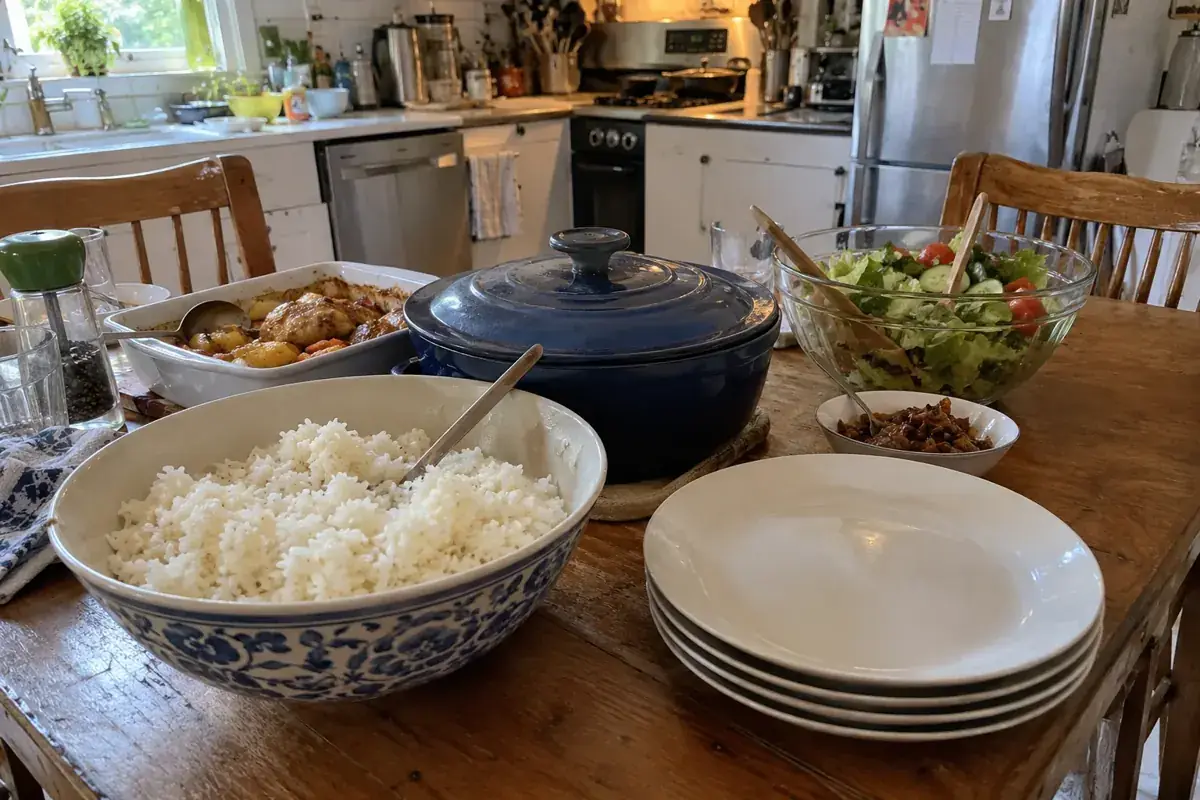
A buffet can give guests flexibility and reduce table service, but it does not organize itself. It requires a clear sequence, food items you can handle safely, and someone keeping an eye on what needs restocking. Excessive variety often complicates purchasing, food storage, and replenishment. This guide offers a framework for building a manageable menu for a small gathering and designing the layout around the guest experience. It includes general food safety references, but does not replace the instructions of a trained caterer or local regulations. If you cannot maintain a dish under proper holding conditions, adjust the menu or the service format.
Choose a menu that shares a common logic
Start with the timing and what you communicated to guests. A buffet that replaces a full meal requires a different approach than a post-dinner finger-food spread. Pick a main base, a few complementary sides, and an option that caters to confirmed dietary needs within the group. You do not need to represent every cuisine or offer five variations of the same dish. Look for recipes that pair well together and that you can comfortably purchase, store, and serve with the resources available.
Think about how the food will be eaten as well. If there will not be seating and tables for everyone, avoid dishes that require difficult knife work while balancing a plate. If guests have specific dietary requirements, speak with them privately about what they need and consult your food provider before promising accommodations. A "free from" label is not enough if you cannot verify ingredients and cross-contact handling. Do not improvise allergen guarantees or guess what someone can eat based on a general preference.
Calculate portions with transparent assumptions
There is no single per-person quantity that works for every buffet. The schedule, duration, type of food, side dishes, and the profile of the gathering all play a role. Ask the caterer or vendor to explain what represents a single portion and how many people their proposal is designed to feed. If you are cooking yourself, use recipes you already know and keep track of their actual yield. Distinguish main courses from finger foods and snacks; simply adding up items without making that distinction can create a false sense of abundance.
Build a baseline scenario using confirmed guests and an explicit assumption for those who have not yet responded. If you have thirty people and plan to serve one main dish with two sides, estimate each dish separately and verify that the whole spread makes sense together. Do not multiply a full portion of every single dish by thirty if you expect guests to sample a variety of options. Keep a manageable backup supply when it makes sense, without preparing so much that you cannot store or serve it properly.
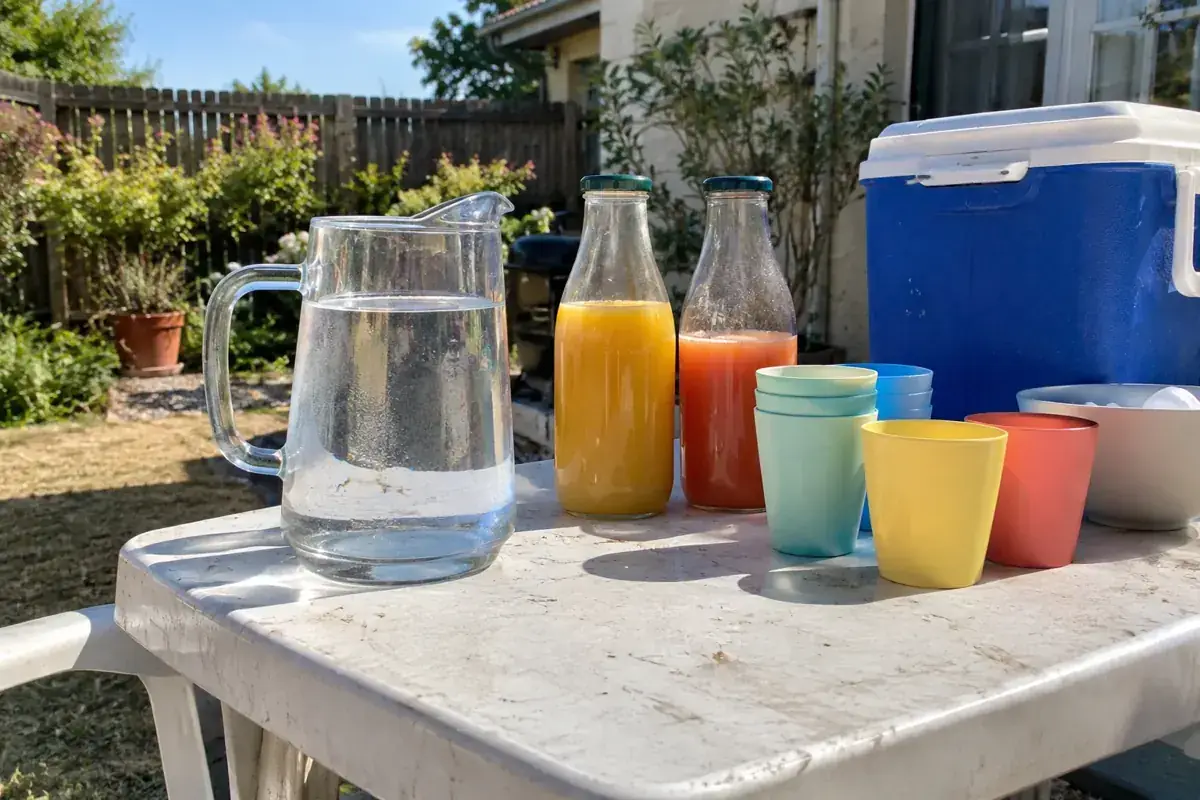
Read more: How to calculate drinks for an event with clear assumptions.
Map out the flow before placing platters
Picture a guest walking up to the buffet with one hand free. Place plates at the beginning, dishes in a logical sequence, and utensils and napkins where guests will not be forced to juggle them from the very first step. If a sauce requires an explanation, place it right next to the dish it accompanies. Leave open surface space so guests can set down a plate if needed. Do not place drinks at the same narrow spot if that means guests who only want water end up blocking those serving themselves food.
Walk through the setup line with someone before opening the buffet. Check whether they can easily read the labels, reach everything they need, and walk back to their seat without having to cut through a line. For small groups, a single line might be enough; for others, distributing duplicated items can help. Do not duplicate stations without having the staff or serving utensils required to maintain them. The goal is not picture-perfect symmetry for photos, but a smooth service that allows guests to choose unhurriedly while keeping foot traffic flowing throughout the venue.
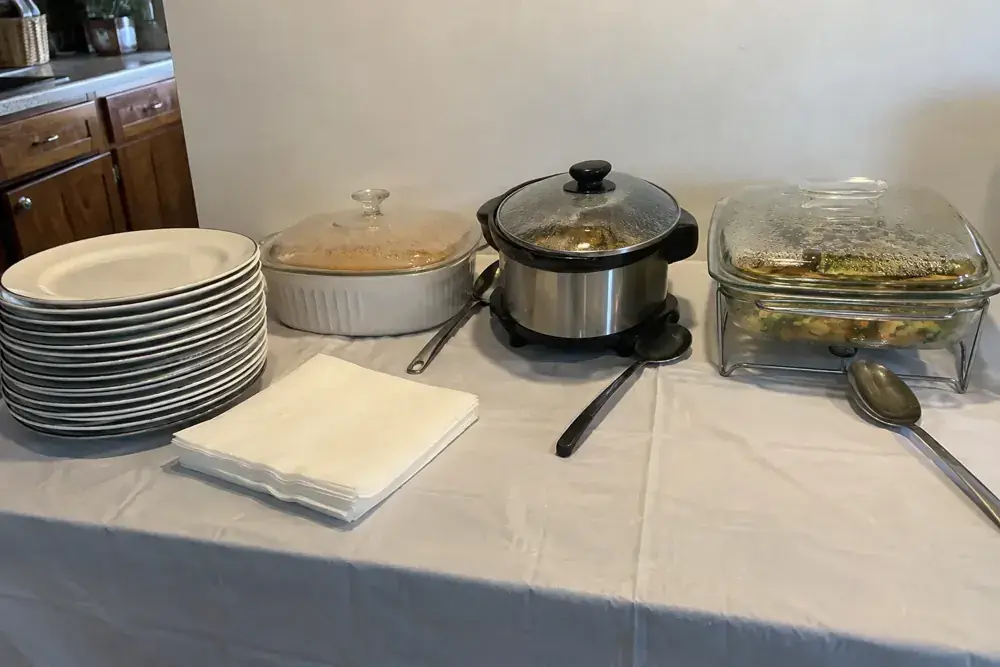
Plan food holding and replenishment
The World Health Organization summarizes safe food handling into five key principles: keep clean, separate raw and cooked food, cook thoroughly, keep food at safe temperatures, and use safe water and raw materials. Its guidance notes not leaving cooked food at room temperature for more than two hours and keeping perishables properly refrigerated. For your event, translate these guidelines into an actionable plan with your caterer: what is kept, where, how temperatures are monitored when applicable, and who is responsible. Always follow specific food instructions and local health authority requirements.
Serving in batches can make control easier and maintain a neat presentation. Bring out manageable amounts and restock using fresh utensils, without automatically mixing newly brought food into leftovers that have been sitting out. Never rely on appearance or smell as a guarantee of food safety. If you lack proper refrigeration or hot-holding equipment, choose dishes and service styles compatible with your available resources. The buffet table does not need to stay overflowing throughout the entire gathering to feel welcoming and generous.
Delegate service without losing oversight
Assign someone to monitor water, serving utensils, and restocking for a designated shift. That person needs to know where extra supplies are stored, which dishes require special handling, and whom to ask if questions arise. They should not invent answers regarding ingredients. Keep a copy of the menu list and any information provided by whoever prepared the food. Clear, visible labels can help, but a quiet, one-on-one conversation is always preferable for handling personal dietary needs without putting someone on the spot in front of the whole line.
Avoid having the host juggle the roles of cook, greeter, and buffet manager all at once. If you have no extra help, scale back the menu or hire a service whose scope you can confirm in advance. Prep beforehand anything that will not compromise food quality or proper storage conditions. Keep backup containers, fresh utensils, and a designated spot for dirty dishes within easy reach. Keeping restocking separate from clearing prevents the table from turning into a jumble of clean platters, abandoned plates, and clutter nobody knows where to put.
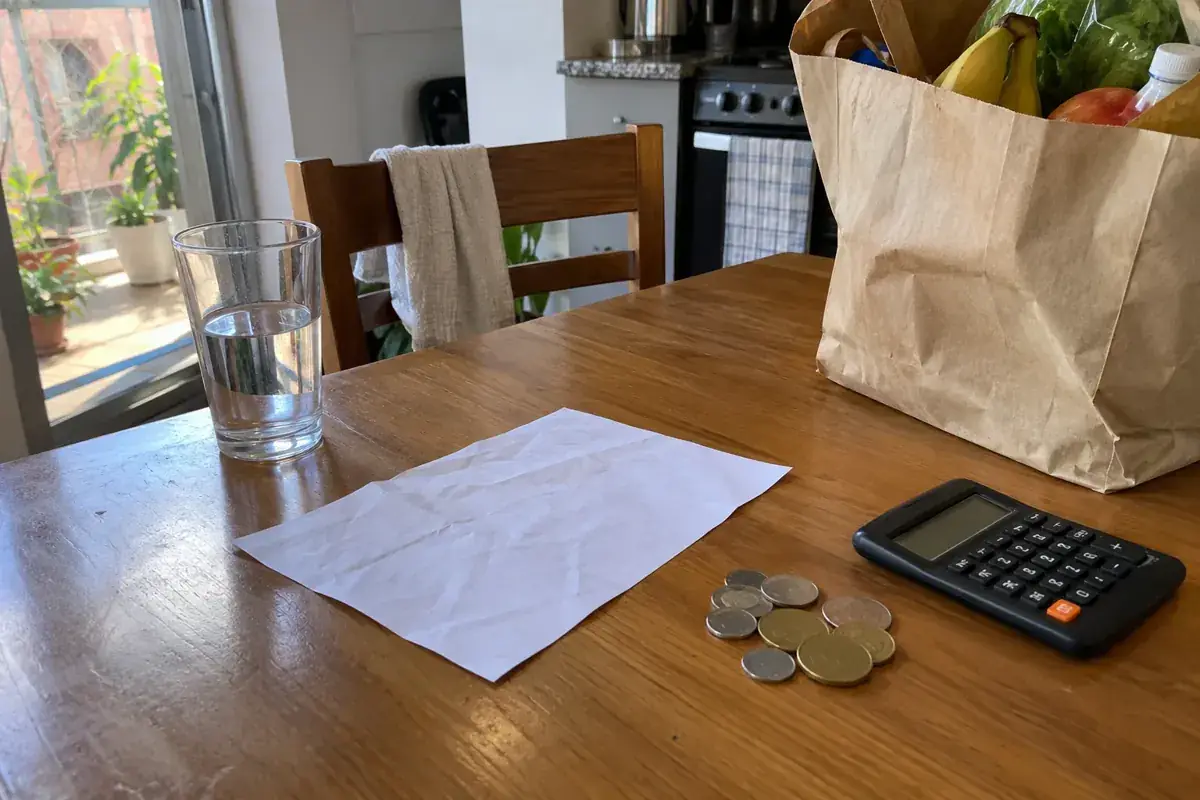
Read more: How to budget for an event without losing sight of what matters.
Close the buffet and learn from what remains
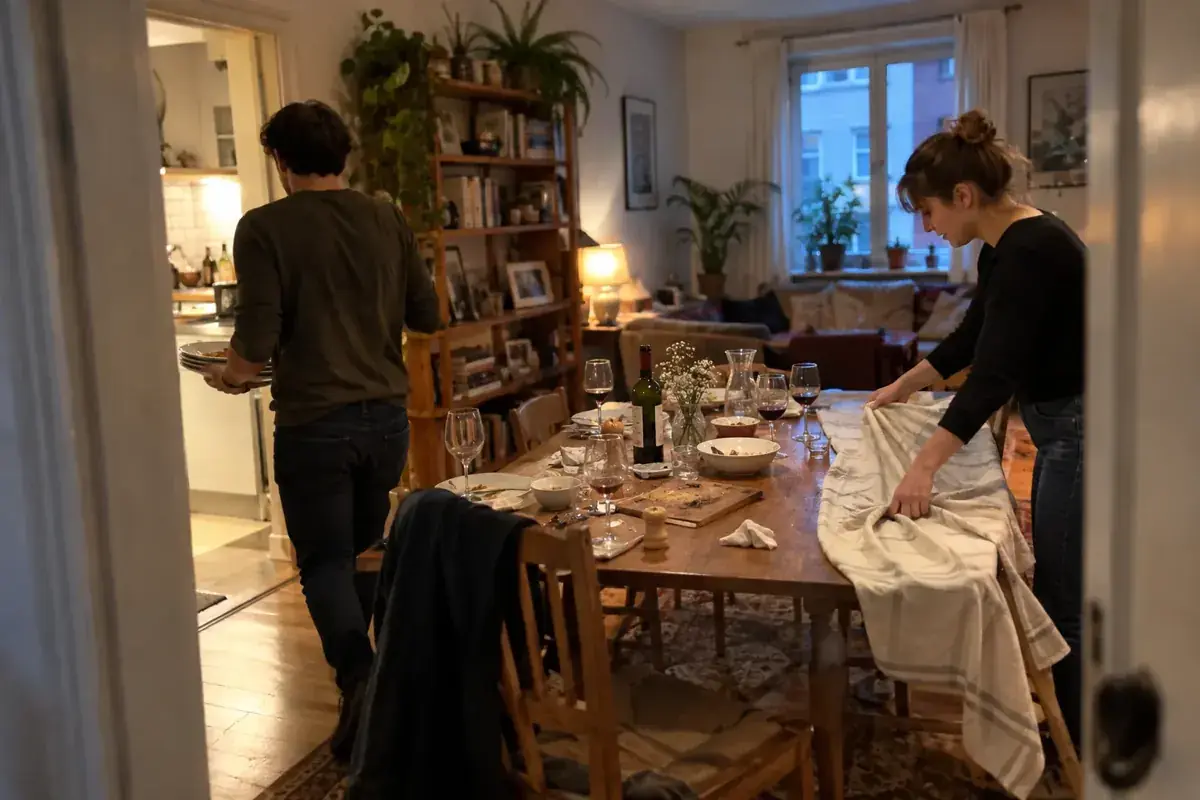
Establish when buffet service will end and what will be done with remaining food based on how it was handled and stored. Do not promise to pack up and hand out everything at the end without knowing whether it can be safely consumed. Keep food that never left the kitchen separate from items that were out on the serving line. When in doubt, consult your caterer; an important safety question is never settled by saying “it still looks fine.” Safety matters more than avoiding food waste at all costs.
To reduce waste at your next gathering, write down how much food went out, what remained, and which dishes saw little demand. The EPA recommends planning purchases and checking existing supplies to avoid overbuying; here, you can apply that same principle to your event with a simple inventory review. Do not assume guests disliked a dish simply because there were leftovers: perhaps it sat at the far end of the table, had a confusing label, or came out late. Use these takeaways to adjust variety, placement, and batch sizes, not just to cut back on food.
Test the menu from the guest's plate perspective
Before finalizing your grocery shopping or catering order, mentally assemble two sample plates using the planned options. One plate can feature the main entrée and the other can represent a confirmed alternative. Make sure both compose a well-rounded meal and that the alternative is not merely a standalone side dish presented as an equivalent course. Also, check which serving utensils each dish requires and how much table space it will take up. If a combination calls for too many dishes, bowls, or explanations, simplify it. This exercise does not diagnose dietary needs or replace professional guidance; it helps you evaluate your menu as an end-to-end dining experience rather than just a checklist of standalone dishes.
From reading to action
Review your buffet service
Check off what you've already sorted out. This checklist is saved only in this browser, without sending data or creating an account. It is not an app feature.
0 of 8 tasks completed
Plan your schedules, owners, and transitions with the free event schedule template; also check the milestones that cannot be moved.
To turn your menu into an organized shopping plan, use our party food calculator: compare three guest scenarios, subtract existing stock, and review pack sizes and surpluses.
Before finalizing your plan
How much food should I calculate per person?
It depends on the menu and the format. Use proven recipe yields or a detailed proposal from your caterer; there is no universal number.
Can I leave the buffet out all afternoon?
Not without a safe holding system suited to each food item. Review holding temperatures and time limits with a qualified caterer.
How can I cut down on food waste?
Confirm guest headcounts, limit redundant menu variety, serve in batches when appropriate, and track leftover amounts to fine-tune your next purchase.
Sources and helpful reading
Practical guide from the editorial team. Examples are for guidance; adapt decisions and requirements to your event.
- WHO: Five Keys to Safer Food: General food handling principles; do not replace local requirements.
- WHO: Five Keys to Safer Food poster: Reference for the general two-hour room-temperature limit for cooked foods.
- EPA: Preventing Wasted Food: Meal planning and inventory management tips. Menu and guest flow recommendations are editorial.