Guides for hosts
How to Evaluate an Event and Keep Takeaways You'll Actually Use
Review your event with practical questions: guest experience, costs, timelines, and to-do lists. Keep concrete takeaways without turning everything into metrics.
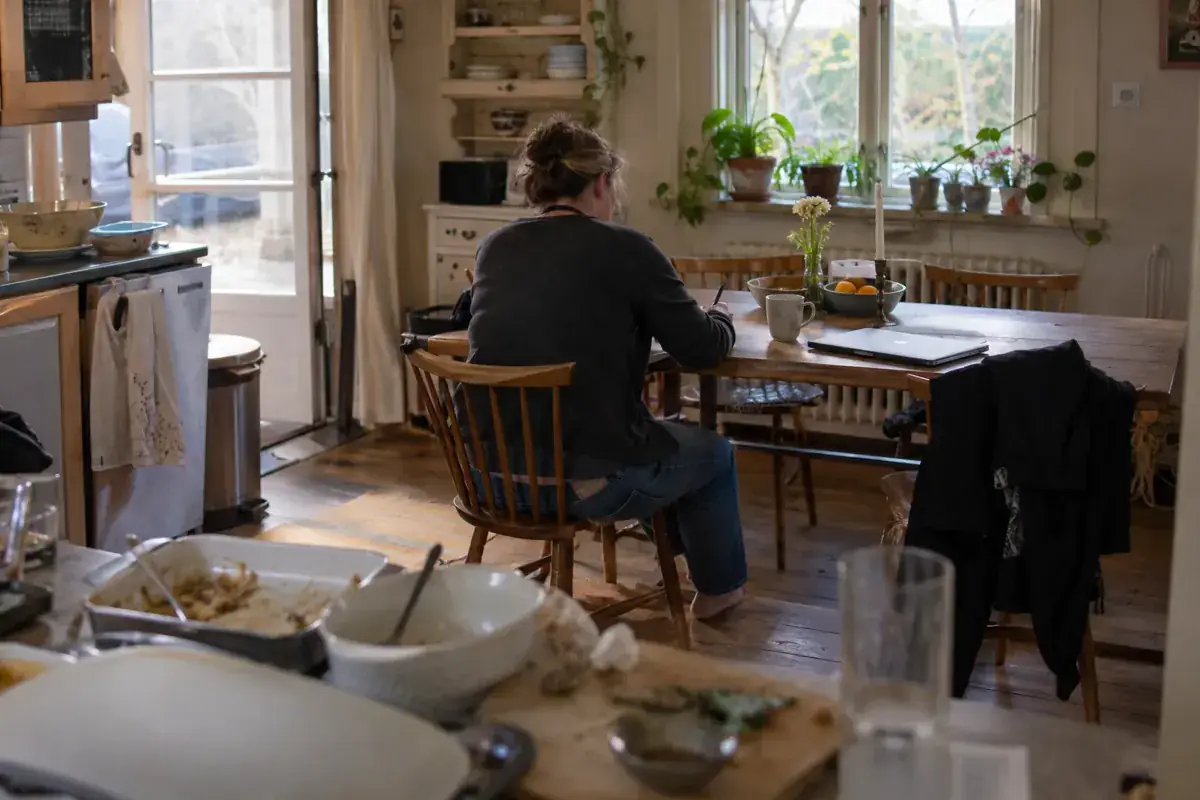
Evaluating an event means reviewing what worked, what cost more than expected, and what is worth repeating or changing next time. After a celebration, you might feel that everything went well and still not know what you would repeat. You might also remember a minor hiccup and give it more weight than the rest of the experience. Evaluating helps separate feelings, facts, and decisions for the next occasion. You don't need a lengthy survey or a corporate report for a personal gathering. This guide suggests a brief wrap-up that tackles open commitments first and then reviews experience, budget, and logistics. The goal isn't to grade guests or judge the team, but to preserve practical takeaways that reduce effort and improve the next get-together.
Review the purpose before counting outcomes
Remember why you hosted the event in the first place. If you wanted people who hadn't seen each other in a while to talk, a less packed schedule might have been a success. If you needed an orderly welcome for a large group, arrivals and access deserve more attention. Don't evaluate every gathering using the same metrics, nor treat the number of photos or social media posts as proof that anyone had a good time. A clear purpose helps distinguish what truly mattered from what was merely visible.
Write one sentence about what you expected and another about what you observed. For example: “We wanted a relaxed meal; there was plenty of time to chat, but two tables felt isolated from the group.” That phrasing identifies an outcome and an improvement without declaring that everything was flawless or that the event was a failure. It also leaves room for uncertainty: you don't know how everyone felt unless they told you. Avoid filling in those gaps with assumptions about who spoke less or left early.
Close out pending items before designing the next occasion
Double-check agreed-upon payments, returns, forgotten items, and messages you promised to send. A pleasant experience can be overshadowed by a borrowed platter no one returns or an unsettled bill that remains unclear. Make a short list with the person responsible and a due date. If there is a discrepancy with a vendor, gather what was agreed upon and describe the specific fact before drawing conclusions. Keep the conversation private and focused on resolving the issue, not on pointing fingers in front of the group.
Thank people for specific contributions and respond to those who helped. Don't use a thank-you note as an immediate opening to request another task. If someone experienced a significant issue, offer a private way to share it without expecting them to do so publicly. Evaluation begins with caring for relationships and commitments, not with filling out a spreadsheet. Only once wrap-up items are on track is it worth dedicating time to future improvements, ensuring you don't replace an actual obligation with the more comfortable feeling of planning something new.
Read more: How to budget for an event without losing sight of what matters.
A sample set of questions for guests
This template is illustrative: adapt it to your type of event and the people you want to consult. Three to five questions are plenty so that wrapping up doesn't turn into a lengthy form.
- What you enjoyed most: an open-ended response, with no rigid options.
- What you would have changed: helps spot issues with timing, venue, or food.
- Did you feel welcomed: a straightforward question that reveals whether arrivals and hospitality worked well.
- What you'd like to see again: useful for planning the next occasion.
Read the answers looking for patterns rather than isolated remarks. If someone mentions a one-off difficulty, note it separately and decide if the plan needs adjusting. To divide tasks more effectively for your next event, check out the guide on how to delegate tasks.
Separate observed data from interpretations
You can track confirmed versus actual attendees, setup duration, final spend, or number of shuttle trips. These are operational data points if collected consistently. In contrast, “people were bored” is an interpretation that requires context. Perhaps there was a long lull, or perhaps several people were simply chatting quietly. Write down what you saw and what hypothesis it suggests, without treating it as fact. This habit leads to more precise decisions and prevents blowing an isolated moment out of proportion.
Do not collect more personal information than necessary. To optimize food quantities, you can log portions served and leftovers without recording what each guest ate. To review venue access, it is enough to know where delays occurred, without keeping private details about every single incident. Useful data is data that answers a specific question. If you don't know what decision a data point would alter, you probably don't need to save it for the next celebration.
Ask for short, easy-to-answer feedback
For a personal gathering, a quick conversation or three questions can be plenty: what made things enjoyable, what felt awkward, and what they would change next time. Avoid questions fishing for approval, like “everything was amazing, right?”. It's also best to allow private responses and never insist if someone prefers not to share. People can appreciate the invitation while still pointing out a friction point; welcoming it openly makes the conversation much more valuable.
Don't treat a single response as the voice of the entire group, nor dismiss a need just because only one person mentioned it. Weigh the impact and the type of issue. An accessibility barrier deserves attention even if it affects only a few; a music preference can be handled with variety without redesigning the entire event. If you receive conflicting feedback, look for the underlying context: different seating areas, arrival times, or activities. The solution might be offering options rather than deciding who was right.
Compare costs and timing with the original decisions
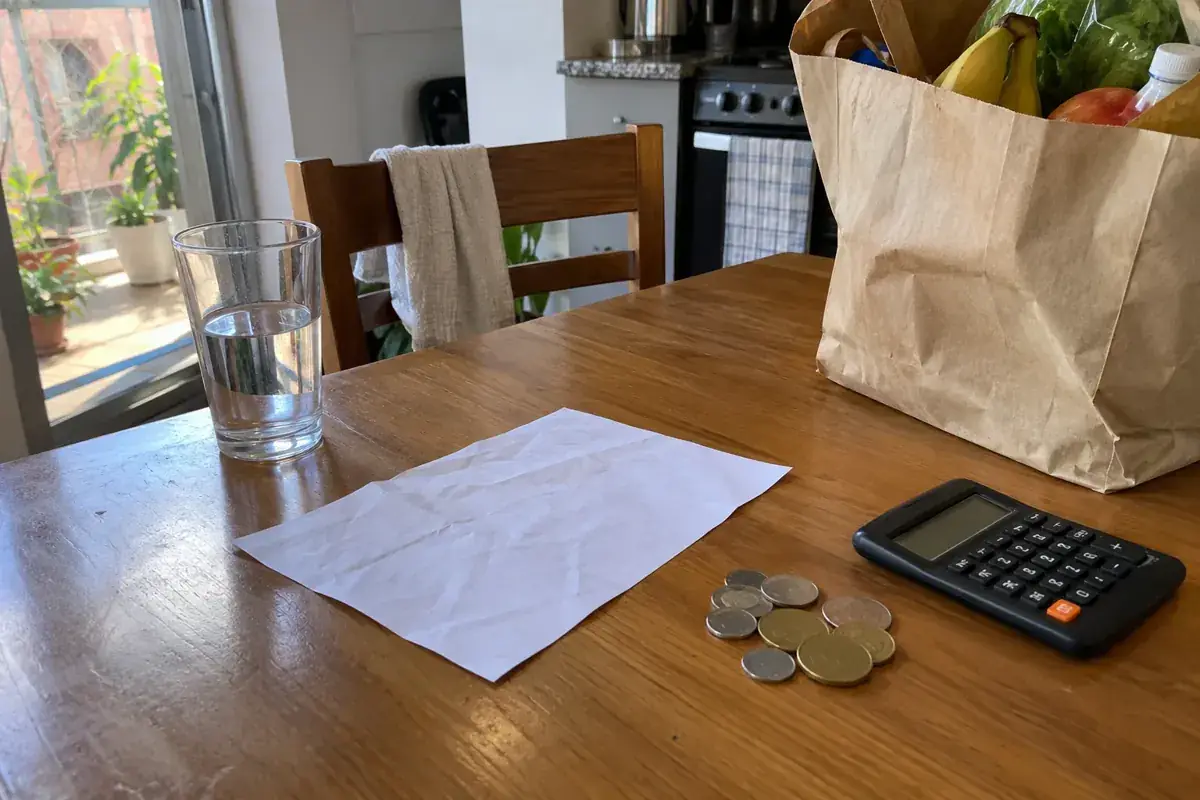
Review estimated versus actual costs line by line, keeping deposits factored into the total. Note significant differences and their known cause: changes in guest count, an added service, or an overlooked expense. There is no need to analyze every napkin if the main discrepancy was transportation. Also compare effort. An inexpensive option might have required hours of hard work that you may not want to repeat, even if it stayed within budget. That logistical cost deserves to be documented.
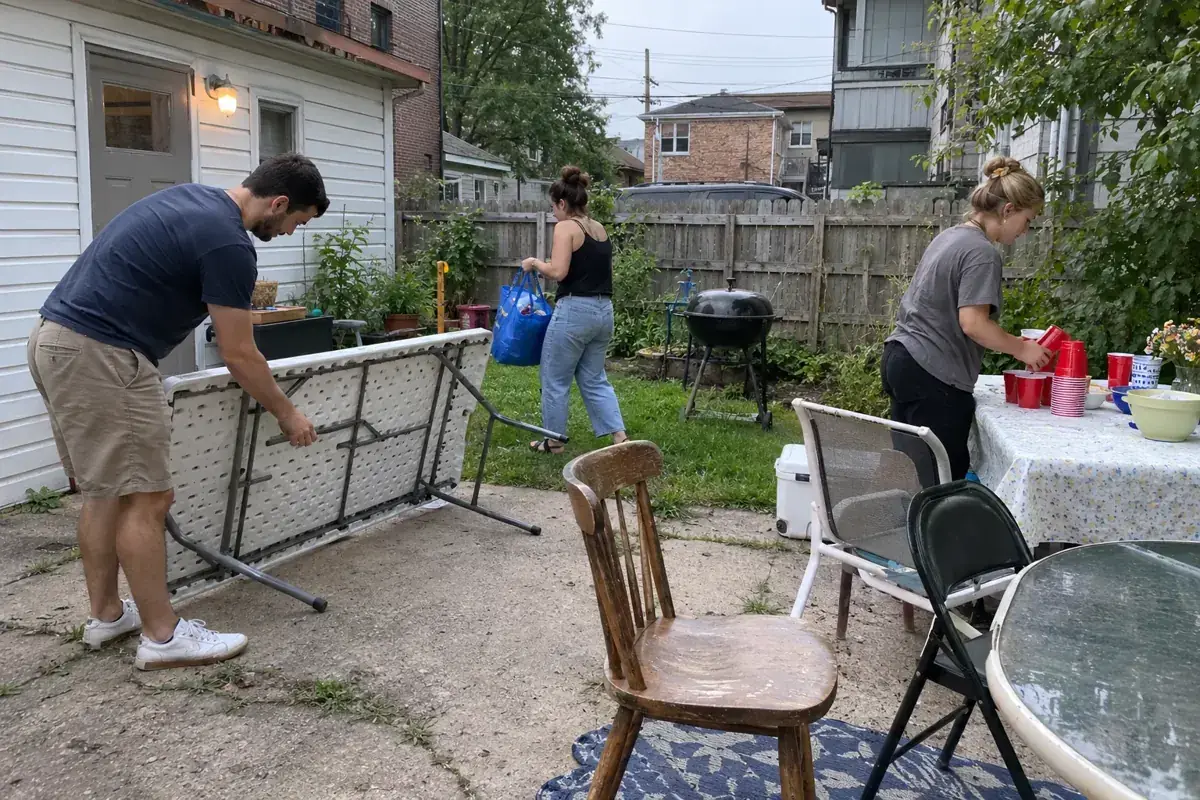
Do the same with the timeline. How long did setup actually take? Which delivery delayed another task? Did cleanup require more hands? Record approximate durations along with their context so they don't turn into rigid rules. Setting up ten tables in a room with ground-level access isn't the same as hauling them up stairs across multiple trips. Useful learning captures the situation and the decision you would change, not just a bare number that someone might later misapply out of context.
Read more: An event timeline that actually holds up on the big day.
Choose a few improvements and keep a lightweight reference
Wrap up with three short lists: repeat, change, and drop. Under “repeat,” write specific decisions, like keeping drinks separate from the buffet. Under “change,” define an action: confirm delivery windows before sending out the schedule. Under “drop,” list details that drained effort without adding to the event's purpose. Don't turn the evaluation into an overwhelming checklist of twenty mandatory improvements. Choosing two or three key changes makes them far more likely to happen and keeps the workload manageable.
Keep a brief record with the date, format, approximate guest count, costs by category, and key takeaways. Protect or delete personal information that is no longer needed. When the next occasion arrives, review that reference and decide what still applies. You don't need to duplicate the previous event or fix every tiny detail to earn the right to gather people again. Evaluating is about learning honestly, closing out thoroughly, and leaving room for the next celebration to take its own shape.
Wrap-up balance sheet to fill out
Use this right after the event. Cells are intentionally left blank: write down what you observed, not what you assumed.
| Aspect | What was expected | What happened | Adjustment for next time |
|---|---|---|---|
| Guest arrival | |||
| Food and drinks | |||
| Schedule timing | |||
| Costs and payments | |||
| Pre-event communication |
If a row stays empty, ask yourself if the data doesn't exist or if nobody checked it. Both scenarios are useful for your next plan. To safeguard your budget before the next occasion, check out the guide on budgeting for an event.
Turn an observation into a verifiable action
Try this rephrasing: instead of logging “the entrance was confusing,” write “before the next invite goes out, confirm the entry door and add clear written directions alongside the map.” The second version allows you to take action and verify the fix. Do the same with costs or schedules: “request a quote with travel included” is far more actionable than “transportation was expensive.” If you can't frame an improvement as a concrete action, you might not fully understand the issue yet, or it might not be worth turning into a task. This review keeps your takeaways practical and prevents a list of impressions from turning into an endless to-do list.
From reading to action
Save your takeaways
Check off what you've already sorted out. This checklist is saved only in this browser, without sending data or creating an account. It is not an app feature.
0 of 8 tasks completed
Before finalizing your plan
Do I need to send a survey?
Not always. For smaller gatherings, a quick conversation or a few questions can provide plenty of insight without burdening your guests.
How do I make sense of conflicting feedback?
Look for differences in context and consider offering options. Not all preferences require a single one-size-fits-all solution for the whole group.
What is worth keeping on file?
Key decisions, costs by category, approximate timelines, and concrete takeaways. Avoid saving personal data you don't need for organizing future gatherings.
When is the best time to evaluate an event?
It's best done in the following days, while the experience is still fresh but everyone has had a chance to rest. A brief review usually yields more accurate details than an impromptu chat at the end of the party. Jot down concrete facts before they blend into generalized memories.
How many questions should a feedback form have?
Few and clear. With three or four questions, you can evaluate guest experience, costs, and timing without burning out respondents. If you need more depth, split it into two steps: a quick check-in right after, and a more detailed follow-up only if something needs clarifying.
What should I do if responses contradict one another?
Compare them against verifiable facts, such as actual schedules, service times, or payments. If the discrepancy stems from different expectations, record it as a difference in perspective. Don't favor one version simply because it aligns with your initial impression.