A quinceañera her way
How to Plan a Quinceañera Centered on the Celebrant
Plan a quinceañera with shared agreements, a realistic checklist, and moments chosen by the celebrant. Manage arrivals, the schedule, support, and the closing of the event.

A quinceañera celebration works when the honoree decides on the type of party, the guests who accompany her, and the responsibilities of each adult. Planning a quinceañera can bring together excitement, tradition, and opinions from many people. To keep the process from becoming a competition of expectations, the first conversation must be with the birthday girl. Does she want a sit-down meal, a dance party, a small outing, or a family gathering? This guide helps turn that answer into agreements about guests, special moments, and responsibilities. There is no mandatory format or list of rituals that every family must fulfill. The goal is for the celebration to be meaningful for the person turning fifteen, sustainable for the responsible adults, and clear for the guests on how to participate.
Distinguish wishes from family obligations
Make two separate lists. On one, write three things the honoree definitely wants; on the other, what she does not want to do. She might be excited about a dress, but not about dancing in front of everyone. She might want to dance with her friends and prefer a simple meal instead of a banquet hall. Listening to these distinctions before booking prevents paying for moments that end up feeling uncomfortable. A family can preserve an important tradition without turning every suggestion into an obligation.
Next, the responsible adults should explain the real boundaries: available funds, guest count, hours, and supervision. Do not promise a budget that depends on contributions that have not yet been confirmed. If someone offers to pay for part of it, agree on what it covers and who makes the final decision. In the fictional example of a fifty-person celebration, the priority is a good dance floor and an enjoyable meal; several staged grand entrances are left out to keep the plan manageable.
Build a list that recognizes different groups
Separate friends, close family, and other commitments before assigning seats. The venue's capacity is a hard limit, not a suggestion. Also reserve spots for helpers if they will be eating during the event. Clarify from the beginning whether invitations include siblings, partners, or plus-ones. Do not leave the honoree to handle tensions between adults over a guest list created by other people. An adult organizer should take on those conversations with respect.
When guests are minors, coordinate practical details directly with their guardians as needed: arrival time, departure time, and contact person. There is no need to post personal details in a large group to do this. Keep information limited to those who genuinely need it. A public invitation or a shared photo should not display phone numbers, home addresses, or access codes. Event logistics can be clear without putting guests' personal lives on display.
Read more: How to Host a Graduation Party Without Losing Control of the Day.
Budget by category, without benchmark figures
Every celebration has different costs. Before requesting quotes, separate categories and leave the amounts blank until you have actual estimates. If you are also reviewing overall costs, the guide to budgeting for an event serves as a foundation.
| Category | What's included | Pending decision | Confirmed amount |
|---|---|---|---|
| Location | |||
| Food and drink | |||
| Music and entertainment | |||
| Attire and hair | |||
| Photography or videography | |||
| Contingencies |
The pending decisions column is the most useful: it shows what must be resolved before committing money.
Choose special moments you actually want to experience
If there will be an entrance, dance, family speeches, or an outfit change, confirm each element with the honoree and assign a reasonable duration. Rehearsing a transition can ease nerves, but repeating something she does not enjoy for weeks does not make it a good idea. A brief program leaves more time to spend with friends. It also allows guests who are unfamiliar with every custom to understand what is happening without having to listen to an endless explanation.
Set up a discreet signal to pause or adjust a moment if the honoree feels uncomfortable. It can be a prearranged phrase with the host or emcee. That does not ruin the event: it provides a graceful way out under the pressure of so much attention. No one should improvise jokes about her body, relationships, private life, or behavior. Surprises require careful judgment, especially when they involve photos or memories that might embarrass her in front of others.
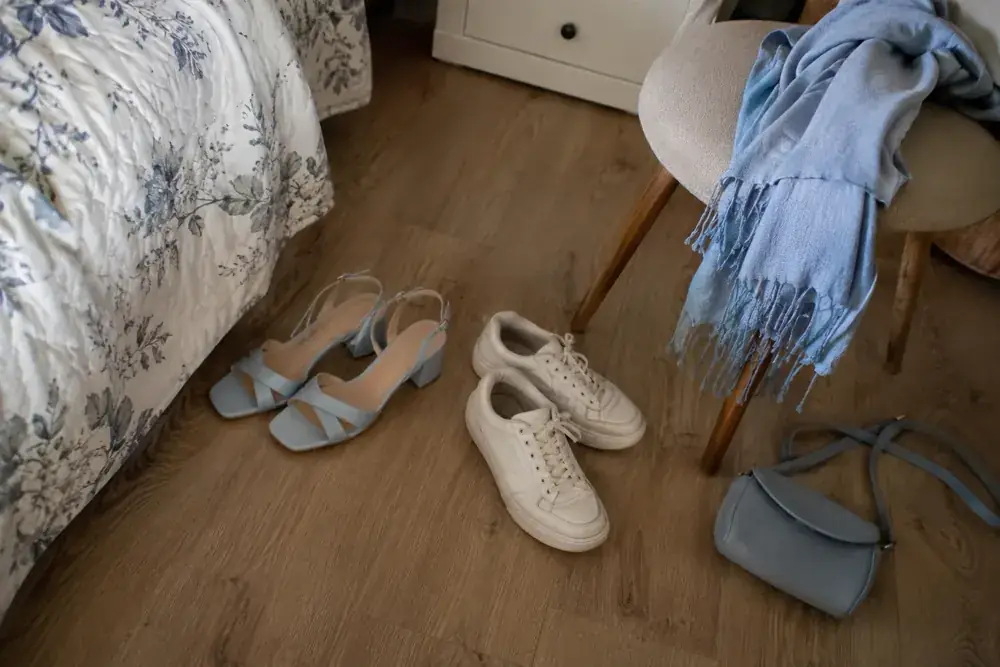
A final review with the honoree can be done by walking through the itinerary out loud. Ask what will happen from the moment she gets dressed until the last guest leaves, where she can sit down, and whom she can turn to if something needs to change. If a part of the program only exists because a vendor bundled it into their package, assess whether you really want it. You are not obligated to use everything you booked. Also test her attire with everyday movements: walking, sitting down, and getting into the car. That practical trial run can reveal adjustments more important than adding another decorative piece. Prepare the personal items she will need and entrust them to someone reliable so she does not have to hunt for them during the celebration.
Arrange the space for gathering, not just photography
Tour the venue picturing an actual arrival: people waiting, someone needing to sit down, family members chatting while music plays, and a vendor bringing in equipment. Ask about access routes, restrooms, exits, setup requirements, and available staff. Do not assume that a wide entrance means the entire path is accessible. If any guest needs an accommodation, speak with them privately and verify that specific condition with the venue.
Arrange tables and the dance floor so people do not have to step over cables or constantly move chairs. Adults who prefer chatting may appreciate a quieter area, while friends enjoy the music. A photo corner is optional and should not block walkways. If you hire photography, agree beforehand on what moments are captured, how images are delivered, and who may publish them. Booking and any necessary permissions are the responsibility of the organizing adults, in accordance with applicable terms.
Divide roles among trusted adults
The person greeting guests cannot handle the food, the sound system, and departures all at the same time. Assign specific people to lead each area, even for a small party. One can coordinate with the venue, another can answer arrival questions, and another can stay with the guest of honor whenever she needs to rest or change. Share a brief schedule with approximate times and essential phone numbers. Don't turn the guest of honor into a message dispatch center during her own celebration.
For entry, review in advance how guests and their plus-ones will be identified. If you use QR code tickets, test the process on the designated devices and prepare a backup plan in case of poor connectivity or low battery. A code doesn't replace a warm welcome, nor does it resolve name discrepancies on its own. Designate an authorized person to handle exceptions. Questions should be resolved off to the side, without discussing personal details in front of the line.
Read more: How to organize a family gathering where every generation has a place.
Plan the wrap-up before opening the doors
An organized departure is just as important as the arrival. Share the end time and coordinate any necessary pickup arrangements. The last song can signal that the party is ending without suddenly flipping on the lights. Keep a clear meeting point and designate an adult responsible for handling changes. If a guest needs to wait, agree on a supervised place where they can do so; don't improvise that decision while vendors are already packing up.
Afterward, review photos before posting them and respect anyone who prefers not to appear. Thank people for their contributions without turning it into a comparison between family members. Ask the guest of honor what she enjoyed, without asking her to evaluate every expense or declare that everything was perfect. A memorable quinceañera can be grand or intimate. The essential thing is that prior agreements protect everyone's enjoyment and that the celebrant feels truly represented at her own party.
Tasks by person in charge (example)
Sample template to adapt. Assign each task to a trusted person and write down the date by which it must be completed.
- Guest of honor: chooses the theme, the main music, and the list of special moments.
- Sponsor / Godparent (Madrina or Padrino): coordinates the program rehearsal, if there is one.
- Immediate family: books the venue, confirms vendors, and pays according to agreed terms.
- Logistics coordinator: manages the guest list, arrival times, and day-of to-do items.
These roles are just suggestions. The important thing is that every task has an assigned name and date. To organize your guest list, see how to make a guest list.
From reading to action
Review your plan before sending invites
Check off what you've already sorted out. This checklist is saved only in this browser, without sending data or creating an account. It is not an app feature.
0 of 7 tasks completed
Plan your schedules, owners, and transitions with the free event schedule template; also check the milestones that cannot be moved.
Before finalizing your plan
Is a quinceañera waltz or dance required?
A formal dance is not required. The guest of honor and her family can choose the elements that make sense to them and skip anything that causes discomfort.
Who should handle entry issues and questions?
An adult designated by the organizers, equipped with the updated list and the authority to handle exceptions without involving the guest of honor in every inquiry.
How do I coordinate underage guests?
Coordinate schedules, the organizer's contact details, and pickup plans directly with their guardians. Share personal details only with those who need them for that coordination.
Who decides the details of a quinceañera?
The guest of honor should have a voice in the main decisions, such as the style of celebration, the music, and the special moments. Families can contribute ideas and guide decisions, but it's best to agree from the start on who decides each point to avoid last-minute conflicts.
How far in advance should planning begin?
Start as soon as you have a clear vision of the celebration and an estimated budget. Booking the venue and securing vendors usually come first. After that, leave time for rehearsals, dress fittings, and final RSVPs.
How do we prevent the guest list from getting too large?
First, establish a core list of people the guest of honor truly wants there, and then review who might be added out of family obligation. A clear guideline, such as including immediate family and close friends, simplifies decisions and avoids last-minute additions.
Sources and helpful reading
Practical guide from the editorial team. Examples are for guidance; adapt decisions and requirements to your event.
- Convite: official product information: Check features and terms for the app on its official website. The checklists on this blog are editorial resources.
- W3C WAI: Accessible Events Planning: Supplemental primary resource on accessibility; the examples and practical decisions in this guide are editorial suggestions.