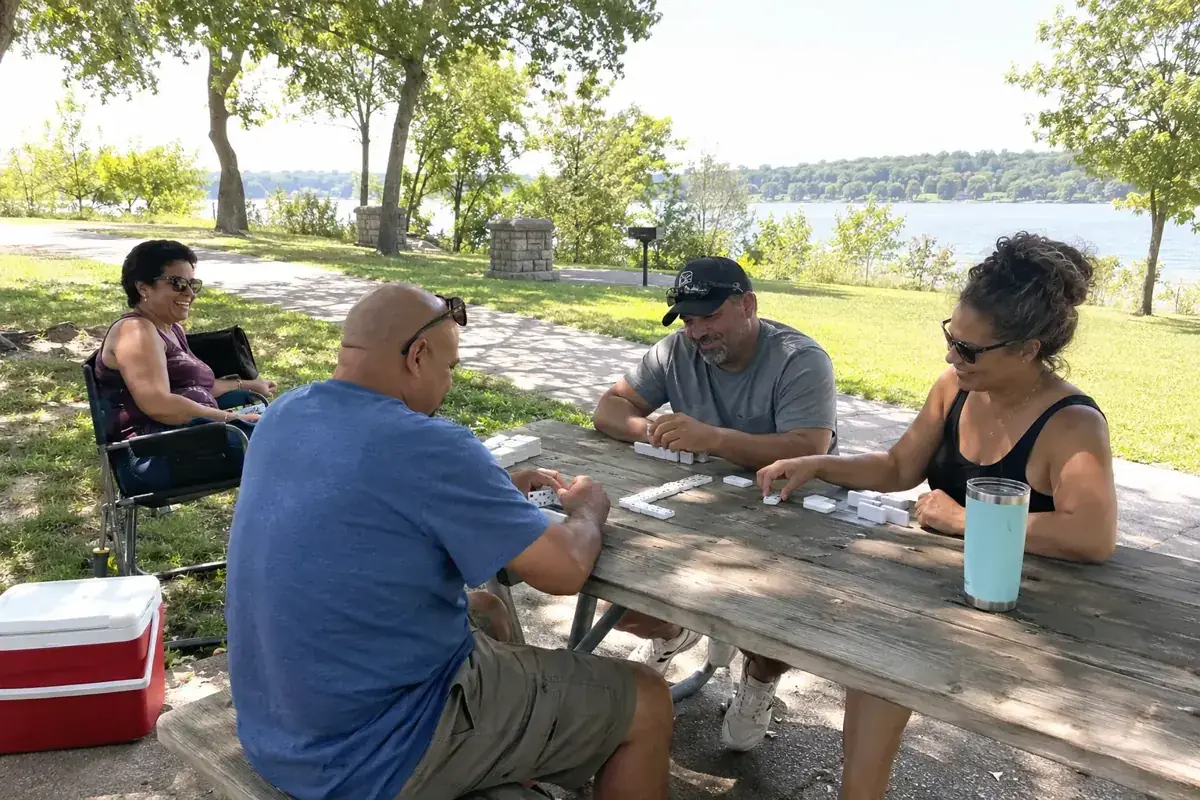
Gathering as a family
How to organize a family gathering where every generation has a place
Organize a family gathering with shared tasks, coordinated food, and space for every generation. Review invitations, accessibility, and an easy wrap-up.
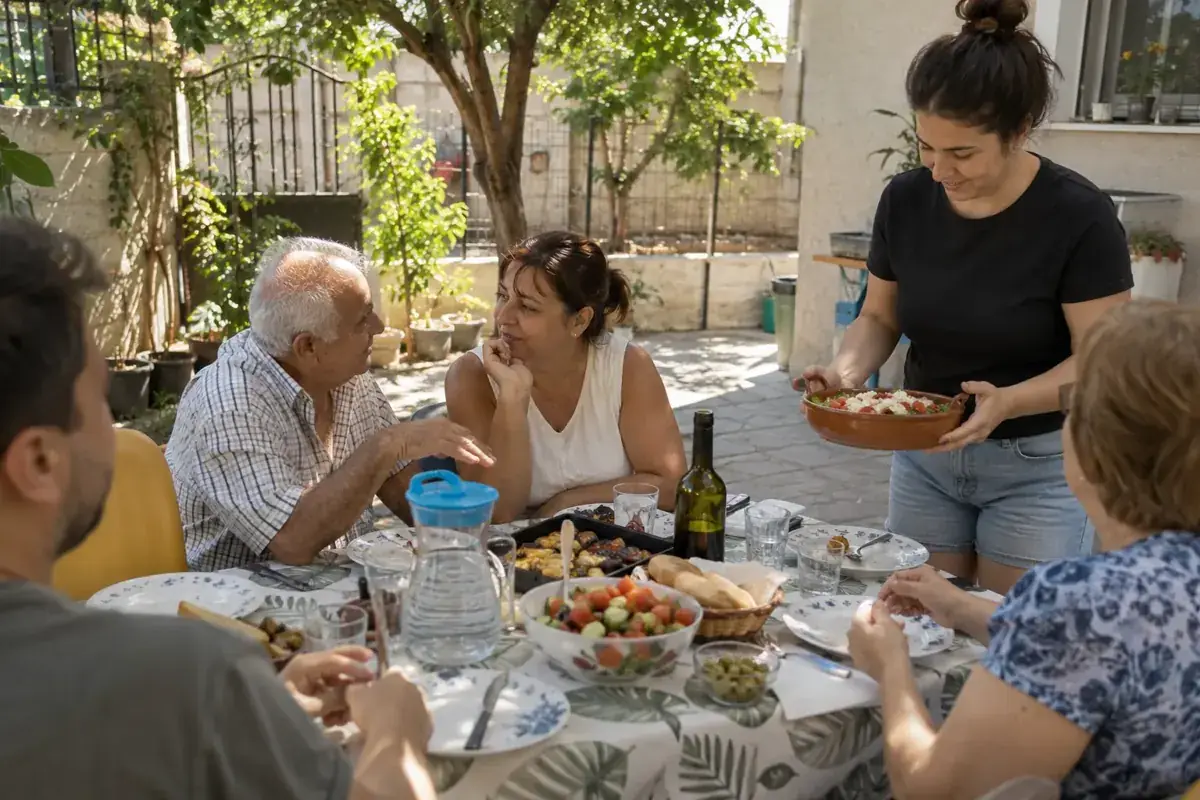
Family gatherings work best when they have a clear purpose, a shared division of labor, and activities suited for different ages. A family reunion brings together people who share history, but not always the same schedules, tastes, or needs. Some want to chat for hours, some arrive with children, and others need to rest or avoid a difficult commute. Planning improves when you stop assuming that a single activity will suit everyone. This guide outlines a flexible gathering with distributed responsibilities and transparent decisions. It works just as well for a Sunday lunch as it does for a larger reunion, provided you tailor the plan to your actual space and guests. The goal is to make gathering effortless without turning the host into a manager of every family relationship.
Agree on the purpose and a feasible size
Gathering cousins who have not seen each other in years is not the same as celebrating a grandmother or simply having a casual meal together. Define the reason in a single sentence and use it to decide whom to invite, how long the gathering will last, and which moments are worth planning. If you try to catch up on every pending visit all at once, the gathering can grow beyond what the venue and the organizers can support.
First check with the people whose presence is essential before announcing a final date. Then present a concrete proposal to everyone else, along with an RSVP deadline. Polling forty relatives on twenty different dates can drag out the decision without producing a better consensus. If someone cannot make it, avoid framing their absence as a lack of affection. Leave the door open for another opportunity to connect or a brief call, as long as it is welcome and does not disrupt the in-person gathering.
Share work and costs without assumptions
The phrase “we’ll all pitch in” needs to be translated into visible tasks. One person can track RSVPs; another, receive food; another, arrange tables. Whoever provides their home is already contributing their space and time. Do not assume they will also cook, serve, and clean. If expenses are shared, agree on the amount or the split before purchasing anything. Distinguish voluntary contributions from confirmed commitments, and avoid public comparisons about who gave more.
Organizing food by category reduces duplicates. Instead of asking every family to bring “whatever they’d like,” confirm who is bringing main dishes, sides, drinks, and desserts. Ask what each group can comfortably contribute without pressure. For an imaginary gathering of twenty-four people, two families could handle the main course and others could cover sides and extras; this breakdown is an example, not a mandatory rule. Review RSVPs before finalizing shopping so you are not planning based on guests who have not yet responded.
Read more: How to celebrate an anniversary with a meaningful gathering.
Activities that work across all ages
Offer choices and let each family decide. Mandatory activities tend to create more tension than fun. Here are a few ideas that adapt well across generations:
- Storytelling around the table: each person brings a photograph or a short memory to share.
- Shared cooking: making a recipe together, with simple tasks for kids and older adults.
- Board or lawn games: quick rules and mixed teams.
- A tour of the grounds: helpful when relatives haven't seen one another in a while, without requiring long walks.
If the gathering is at home and you prefer a more relaxed setup, check out the guide on outdoor parties.
Choose a venue considering real movement flows
Consider arrival, entrance, restroom, seating, and departure. A home familiar to the family may have physical barriers that no one noticed until someone's needs changed. Ask privately about access requirements and verify specific details: number of steps, distance from the vehicle, or whether an accessible restroom is available. It is not enough to say “it’s easy to get in.” The guest is the best judge of whether the setup works for them.
Organize zones with different paces. A conversation table can be set away from the music; a play area should allow supervision based on agreements among the adults in charge. Do not seat all the seniors together out of habit if they would rather mingle with other groups. Nor should you treat teenagers as automatic babysitters. Intergenerational gatherings work best when people have choices and roles are not assigned solely based on age or family ties.
A simple responsibility chart can keep the same people from doing all the work every time. List each task with an approximate time and check that no one has three overlapping duties. Welcoming guests, serving drinks, and assisting someone who needs extra support are distinct roles, even if they seem minor. If a task has no volunteer, simplify that part of the gathering rather than assigning it out of habit. For instance, you can buy dessert or use simpler decorations. Treat these adjustments matter-of-factly: the gathering is no less special because the menu is shorter. On the contrary, sharing the load allows those who usually cook or clean to also sit down and enjoy conversation with the family.
Prepare inviting, non-mandatory activities
A curated photo album, a family recipe, or a simple game can spark conversations. Choose activities that are easy to understand and allow people to drop in and out without missing a beat. You do not need a family contest or a packed itinerary. If someone wants to tell a story, give them space to be heard, but avoid turning the meal into a marathon of speeches that keeps others from talking.
Memories are not always experienced the same way by everyone. Before displaying photos or sharing personal anecdotes, check with the people featured or involved. Do not use the gathering to air grievances, share news that is not yours to tell, or corner anyone about their personal life. Prepare gentle ways to steer the conversation: offer dessert, invite someone to look at a photo, or start a chat in a smaller circle. The organizer does not need to resolve lifelong conflicts to ensure an enjoyable afternoon.
Communicate essential info through a clear channel
Share a message with the date, schedule, address, RSVP method, and meal plans. If some family members do not use the same digital channel, assign someone to share the details with them directly. Do not assume someone received the message just because they live with another attendee. Maintain a central list of RSVPs and plus-ones to avoid buying supplies based on conflicting headcounts.
When something changes, point out exactly what is different and what stays the same. “We’re meeting at the same place, but eating at two” is clearer than resending the entire invitation without context. If relatives are traveling from out of town, send them verified directions and ask what help they need. Do not promise lodging or rides on someone else’s behalf. Every offer must be confirmed by the person actually providing it.
Read more: How to Host a Mexican Posada with Tradition and Good Fellowship.
Have a plan for after the meal
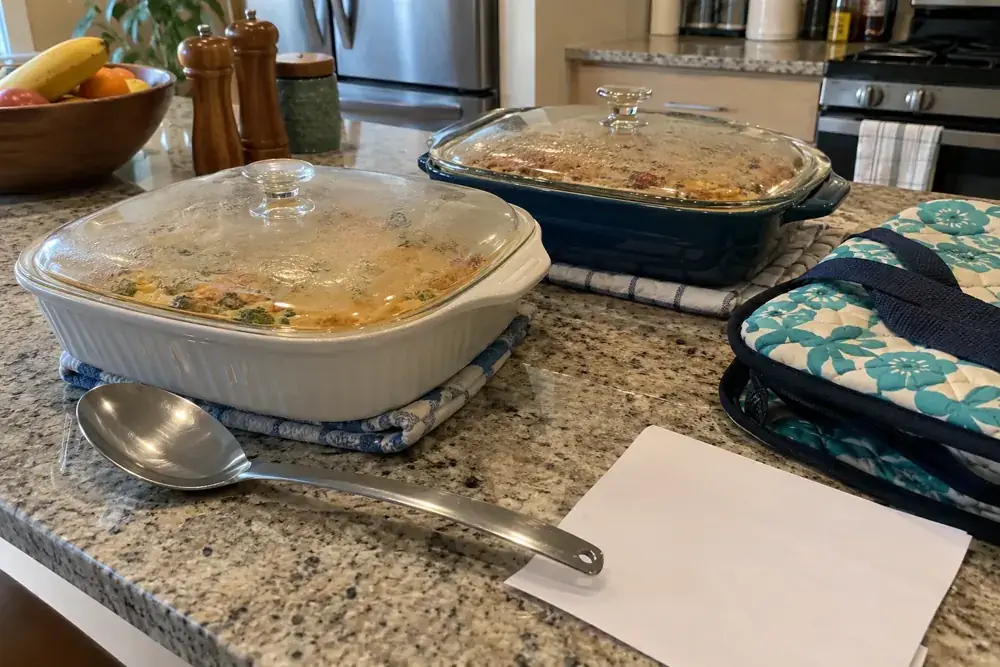
Before the event, agree on who will stay to tidy up and how leftovers will be properly handled. Bringing food containers can help if whoever prepared the food confirms that it is safe to store and transport that way. Gather borrowed items, check coat racks, and keep one person from having to track down every missing chair or platter. An orderly wrap-up also relieves host fatigue, making everyone more eager to do it again.
Afterward, share only authorized photos and express appreciation for the various forms of help. Take note of what worked well: an earlier start time, fewer dishes, or a designated quiet zone. If disagreements came up, avoid turning them into a public debate in the family chat. Handle issues directly, privately, and calmly. A successful gathering does not require everyone to have the exact same experience or stay until the very end; it simply provides the conditions to connect with respect and return home with fond memories.
Task distribution for the meal (example)
This task breakdown is fictional. Replace the names with your actual helpers and adjust tasks to fit your venue.
| Task | Owner | When | Confirmed |
|---|---|---|---|
| Food list | |||
| Drink purchases | |||
| Table and simple decor | |||
| Welcoming arrivals | |||
| Final cleanup |
Share this table in a text message or shared note. Anyone who cannot complete their task should give early notice so someone else can step in. To better organize the work, see our guide on how to delegate tasks.
From reading to action
Review your plan before sending invites
Check off what you've already sorted out. This checklist is saved only in this browser, without sending data or creating an account. It is not an app feature.
0 of 7 tasks completed
Before finalizing your plan
How do I prevent everyone from bringing the same dish?
Coordinate by categories and confirm contributions before the event. An agreed-upon list is far more effective than asking each family to bring whatever they like.
What activity works well across different generations?
A curated selection of approved photos, a group recipe, or a simple game can work wonders. Keep participation optional and provide a quiet area for conversation.
Who should handle cleanup at the end?
The people who agreed to it beforehand. Hosting at home does not mean taking on all the cleanup; divide responsibilities before the gathering.
How do I invite extended family without causing tension?
First define the guest list and communicate the gathering through a channel accessible to everyone. Do not explain in the group message who was excluded and why. Respect all responses, including declines, and provide a way to stay in touch with those who cannot make it.
What should we do if the venue is not accessible to everyone?
Before selecting a venue, evaluate stairs, restrooms, walking distances, and available seating. If something falls short, find another location or adjust the schedule so no one is excluded. Share arrival details and rest areas in advance.
How far in advance should we announce the gathering?
With enough lead time for everyone to coordinate their commitments, travel, or caregiving duties. A brief initial notice can announce the date, while meal details and the exact schedule can follow later.
Sources and helpful reading
Practical guide from the editorial team. Examples are for guidance; adapt decisions and requirements to your event.
- Convite: official product information: Check features and terms for the app on its official website. The checklists on this blog are editorial resources.
- W3C WAI: Accessible Events Planning: Supplemental primary resource on accessibility; the examples and practical decisions in this guide are editorial suggestions.