Celebrating what’s shared
How to celebrate an anniversary with a meaningful gathering
Celebrate an anniversary with curated memories, close guests, and a meaningful moment. Plan an intimate gathering without feeling obligated to repeat a wedding.
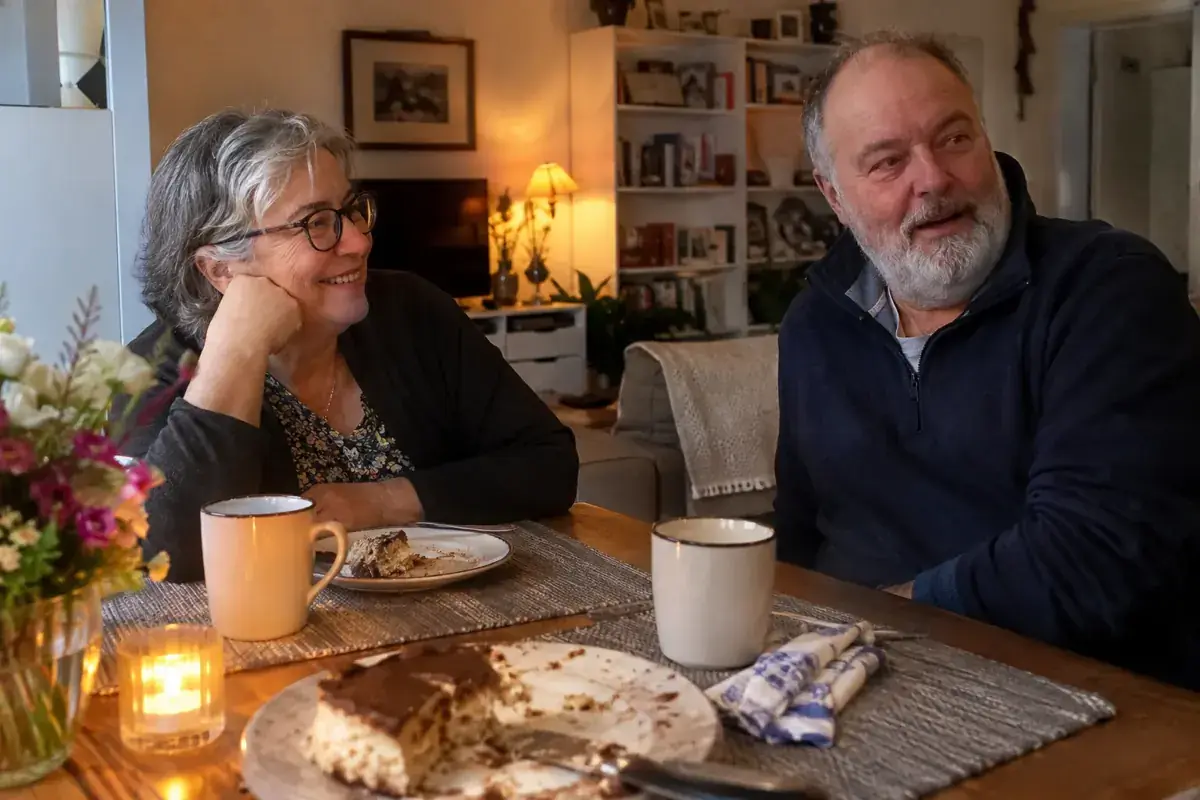
An anniversary invites you to reflect on what you've lived through and choose whom to share it with. It could be an anniversary for a couple, a friendship, or a joint venture. This guide focuses on a personal celebration with guests, especially couples' anniversaries, offering a way to plan it without assuming it needs to look like a brand-new wedding. The size, formality, and memories should reflect the people being celebrated. A small lunch or dinner can carry just as much intention as a large party. What matters is agreeing on what you want to commemorate, what parts of your story you wish to share, and how to welcome the people who are part of it.
Talk it through before turning an idea into a surprise
If two people are celebrating, both should take part in defining the gathering. One might imagine a quiet dinner while the other envisions a big party; knowing that difference early on avoids committing money and expectations. Ask each other what kind of moment would feel meaningful and what level of public exposure you'd prefer to avoid. There's no need to renew vows, project photos, or give a speech if you don't want to. The celebration can simply center around a meal and close conversation.
When family or friends organize the event as a gift, confirm at least the format and the availability of the honorees. A surprise can be kept for a small detail without hiding an entire day that demands specific attire, travel, or energy. If an important date happens to be impractical, the gathering can take place on another day. Clearly communicate the date of the get-together so no one assumes it falls on the exact anniversary date. Its emotional value doesn't rely on matching the calendar perfectly.
Choose a scale that fits your current relationships
An anniversary guest list doesn't have to duplicate the one from a wedding years ago. Relationships evolve, and some of the most important people in your life came along later. Think about who is part of your present, alongside those who were there from the start. First define the venue capacity and budget, then adjust the list using criteria you can explain without comparing affections. Inviting people out of obligation can dilute the kind of gathering you genuinely want.
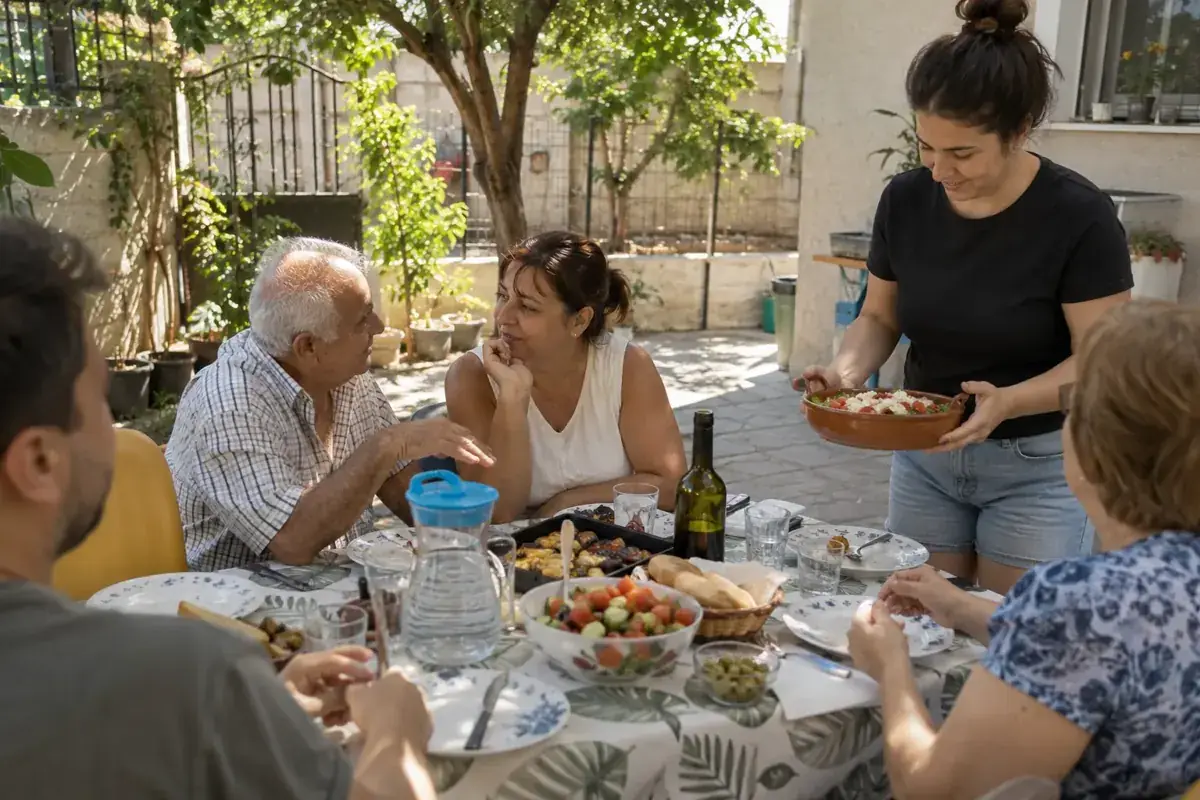
If families with children, plus-ones, or guests who need assistance will be attending, clarify those arrangements before confirming venues. Don't leave an invitation open to interpretation. For an intimate meal of twelve, a single long table can encourage shared storytelling; for forty, it might make sense to combine separate tables with a brief shared moment. These are design choices, not strict head-count rules. The useful question to ask is whether every guest will be able to hear, move around, and feel part of the gathering.
Read more: How to organize a family gathering where every generation has a place.
Use curated memories, not a complete archive
Select a few elements with a clear, relatable story: a photograph, a song, a recipe, or a keepsake. You can accompany them with a short explanation. You don't need to turn the venue into a museum exhibit of the entire relationship. Too many items can overwhelm people's attention and force you to share aspects that might belong in private. Review each element with the honorees before printing, projecting, or sending anything to a vendor.
It's also worth thinking about the people who appear in those memories. Ask for permission when appropriate, and avoid sharing images that reveal intimate details or personal information. If you're putting together a video, make sure the sound works well and that it doesn't depend on an unreliable internet connection. A short video usually blends into a meal much better than a lengthy presentation. Don't use third-party music, photos, or materials without considering copyright and intended usage terms.
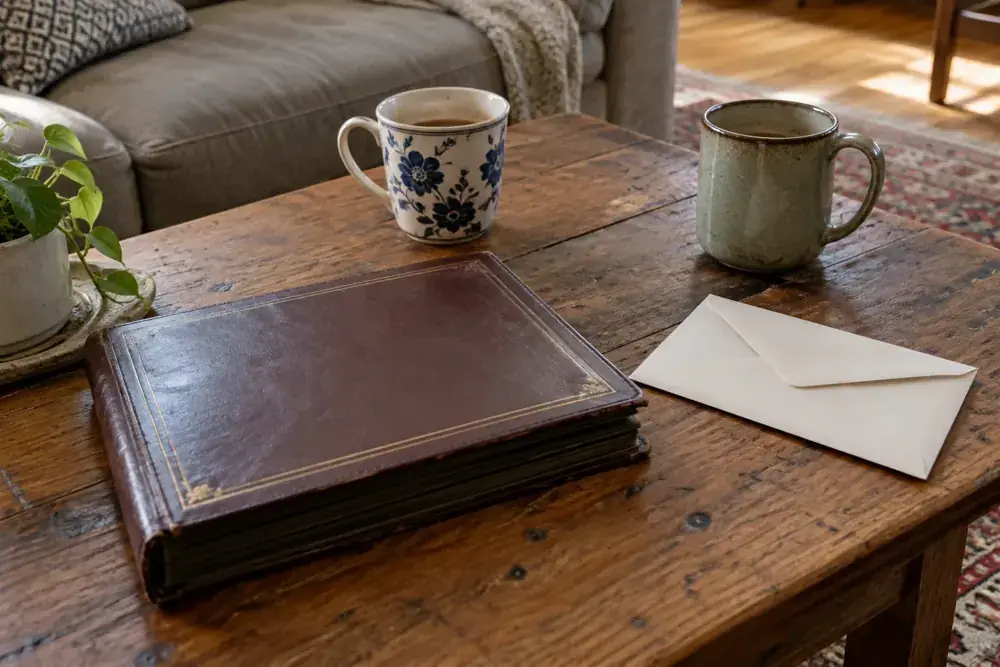
If you want to include a small surprise, choose something that doesn't disrupt the flow of the gathering: a recipe they both cherish or a card selected by close loved ones. Check first before inviting someone unexpected or sharing intimate keepsakes. A letter can be presented closed to be read later; it doesn't have to turn into a public reading. When family members help plan, agree on how the celebration will be described. Some couples prefer a simple message, while others enjoy highlighting the number of years together. Don't add labels or promises they haven't chosen themselves. The thoughtfulness of a gesture is best appreciated when it honors how people wish to tell their own story.
Design a focal moment that doesn't demand a performance
The focal moment can be a toast, a few words of gratitude, or sharing a song. Agree on who will introduce it and when it will happen. Avoid placing it right in the middle of meal service if it means letting plates get cold. Don't wait until the very end either, in case some guests need to leave early. A simple announcement gathers everyone's attention without imposing a formal ceremony that feels out of place with the rest of the gathering.
Speakers can be given gentle guidance: keep it to a few minutes, choose a memory suitable for sharing, and skip intrusive jokes. Avoid turning the anniversary into a public critique of the relationship or an open floor for unsolicited advice. No one needs to dwell on past hardships to prove authenticity. True intimacy is also protected by deciding what remains unsaid. If the honorees prefer to listen and say thank you in private, organize the event to respect that style of participating.
Tend to the hospitality that doesn't show up in photos
Confirm schedules, accessibility, restrooms, and seating options. If guests are traveling, share enough details so they can plan without promising accommodations that aren't provided. Clarify whether you're serving a full meal or hosting a short reception. When an event has multiple segments, specify which parts each person is invited to. An elegant invitation loses its charm if guests have to send three follow-up texts just to figure out when and where to arrive.
The menu should allow the hosts to be truly present. If hosting at home, delegate part of the service or choose dishes you can prepare ahead of time. Inquire about dietary restrictions discreetly and coordinate with whoever is cooking. Keep non-alcoholic drinks clearly visible, and don't make the toast feel like mandatory drinking. If someone brings a gift, you can thank them without unwrapping it in front of everyone. There's also no need to set up a gift registry unless you truly want one.
Read more: How to host a dinner party with friends without spending all night in the kitchen.
End with something that can be kept
A small notebook for voluntary notes or a few authorized photos can make a wonderful keepsake. Don't ask every guest to write a long letter during the party; taking part should feel effortless. If someone prefers to share their thoughts in person, that personal connection counts just as much. Keep the keepsakes in a designated spot so they don't get misplaced among decorations and borrowed items.
Afterward, thank the guests who came and anyone who helped with specific tasks. Before posting an online gallery, double-check which photos have permission to be shared and what details are best kept private. Talk with each other about what you enjoyed most, rather than judging the celebration solely on how it looked in photos. An anniversary can leave a deep sense of closeness even without an elaborate production. Choosing a shared experience and being able to enjoy it calmly is more than enough to mark the occasion.
From reading to action
Review your plan before sending invites
Check off what you've already sorted out. This checklist is saved only in this browser, without sending data or creating an account. It is not an app feature.
0 of 7 tasks completed
Before finalizing your plan
Does an anniversary need to feel like a second wedding?
No. It can be a dinner, a small gathering, or whatever format the couple truly wants and can manage comfortably.
Can I organize it as a surprise gift?
Confirm their availability and the general type of gathering first. Save surprises for small touches rather than imposing an entire unplanned day.
How can I include memories without running a long presentation?
Pick a few meaningful elements: a photo, a song, or a recipe. Share their story briefly and leave plenty of room for conversation.
Sources and helpful reading
Practical guide from the editorial team. Examples are for guidance; adapt decisions and requirements to your event.
- Convite: official product information: Check features and terms for the app on its official website. The checklists on this blog are editorial resources.