A tradition that brings people together
How to Host a Mexican Posada with Tradition and Good Fellowship
Host a Mexican posada with tradition, clear contributions, and warm fellowship. Review the schedule, piñata, food, and wrap-up while respecting different ways of celebrating.
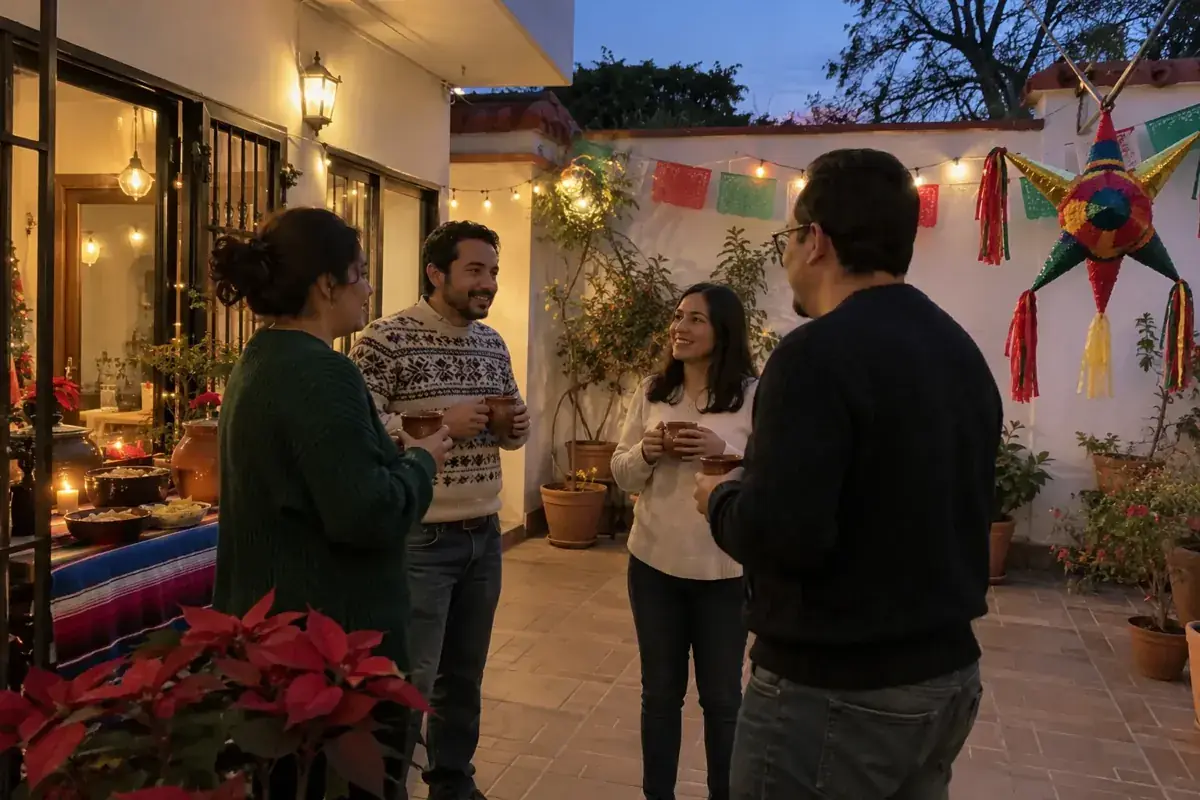
A posada can bring family, friends, or neighbors together around a shared tradition. In Mexico, traditional posadas take place from December 16 to 24, according to the Ministry of Culture. How they are celebrated varies across communities and families: some feature a procession and traditional carols, while others center on socializing, sharing a meal, and breaking a piñata. This guide helps you organize a gathering inspired by this tradition without treating any single format as mandatory. The first step is agreeing on which customs you want to include, who will take part, and how to make the celebration smooth and welcoming for everyone.
Clarify what type of posada you want to host
Ask regular participants what the celebration means to them. If there will be a religious element, a procession, or traditional songs, state it on the invitation so people know what to expect. Do not assume that everyone knows the order of events or wants to participate in the same way. You can briefly explain the meaning of each part and allow someone to observe respectfully without forcing them to play a role.
An office gathering or a get-together with friends can borrow some festive elements and have a different feel. Describe it honestly and avoid presenting your adaptations as the only authentic tradition. If you are organizing in a shared space, check with venue management about hours, music, foot traffic, and cleanup. December tends to be packed with commitments; proposing a specific date well in advance allows people to decide without pressure or last-minute changes.
Distribute contributions transparently
Make a list of what the gathering really needs: food, drinks, tableware, a piñata if there will be one, and supplies for the planned activities. Then assign roles and confirm contributions. Do not buy things first only to split the bill later without discussing it. If multiple families are collaborating, let them contribute different labor or resources based on what they can offer. Avoid posting individual dollar amounts as a form of recognition.
For a fictional posada of thirty people, one group can prepare the space, another coordinate food, and another handle cleanup. That division helps more than asking everyone to "keep an eye out." Designate who receives items as they arrive and where they will be stored. If there are food contributions, confirm quantities and categories to balance the menu. Ask about dietary needs and verify ingredients with whoever is cooking. Tradition can be adapted without falsely promising that a dish is suitable for everyone.
Read more: How to organize a family gathering where every generation has a place.
Design a brief, easy-to-follow flow
A simple schedule might include a welcome, a traditional activity, food, and a wrap-up. If there will be a procession, check the route, duration, lighting, and venue conditions. Do not block entrances or use a public street without checking applicable requirements. Offer an alternative for anyone unable to do the walk. Participation should not depend on walking an unannounced distance or climbing stairs without prior notice.
Upon arrival, explain where belongings can be left and who is coordinating each part. If you use song lyrics, make sure they are easy to read and that guests do not have to share a small phone screen among many people. Do not fill the entire evening with structured activities. Leaving room for conversation allows the gathering to maintain its intimate character. One person calmly guiding things is usually more helpful than several giving conflicting instructions at once.
If participants are familiar with different versions of the tradition, agree on a common sequence before starting. You can pick one set of lyrics, explain who is leading, and make it clear that other families do it differently. This avoids correcting guests in public over variations that are not mistakes. If someone is attending for the first time, offer a brief, welcoming explanation without expecting them to perform everything they just learned. The celebration can be an opportunity to share culture without turning it into a test. Also reserve space for those who prefer to chat while others participate in the singing or activity. Belonging at the gathering should not depend on knowing every word or adhering to a single way of celebrating.
Organize the piñata as a dedicated activity
If there will be a piñata, choose an open space, with one person responsible for leading the activity and managing who approaches. Do not place it over the food table or near cables, fragile furniture, or walkways. Consider the venue's guidelines and the materials used. The decoration may look great hanging during the gathering, but breaking it requires a different kind of space and coordination.
When children participate, their guardians should agree on how to supervise them. Prevent the group from crowding in to grab items while someone is still swinging. Establish a clear signal to stop and start each turn, and keep spectators separated from the active area. You can also opt for a pull-string version without hitting, or simply use the piñata as decoration. Maintaining a tradition does not require repeating an approach that does not fit the space or the guests.
Serve food and drinks without interrupting socializing
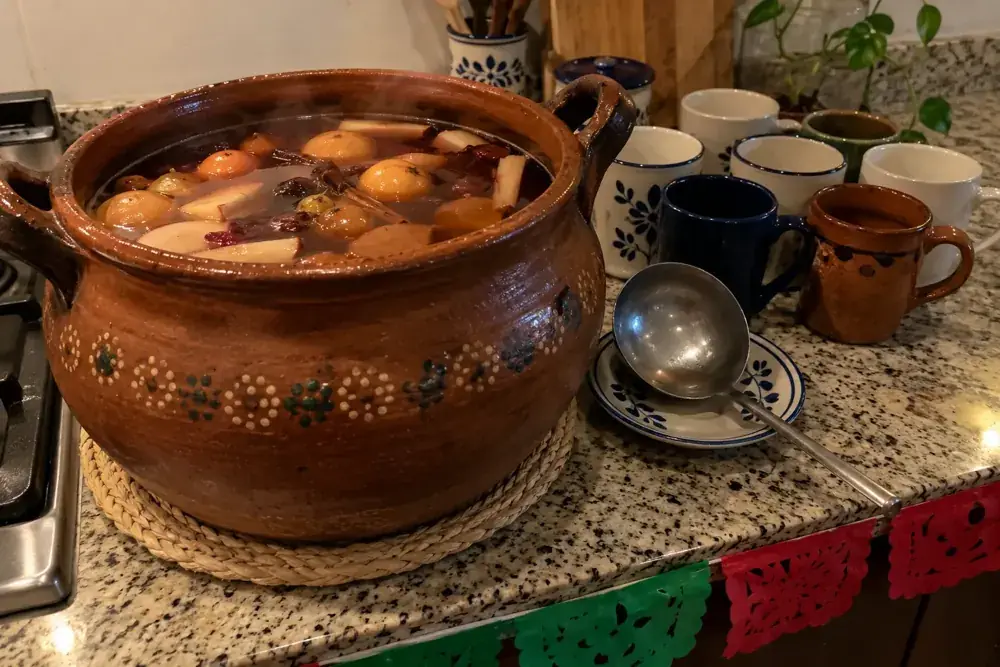
Food can be organized by stations or served at tables, depending on the space. Keep hot beverages in a stable, attended area away from narrow walkways and play areas. Explain what each dish contains when asked, and do not assume all versions of a recipe use the same ingredients. If alcoholic options are available, label them clearly and offer equally visible non-alcoholic alternatives.
Ask those preparing the food how to store and serve it during the event. Do not leave food safety to chance just because these are familiar recipes. Provide enough utensils and trash bins, following the venue's rules. If the gathering is outdoors, check the local forecast and have a suitable backup plan before sending invitations. December weather varies widely across regions; do not describe cold weather or the absence of rain as guaranteed.
Read more: How to Organize an Office Social That Welcomes Participation.
Wrap up with respect for guests and neighbors
Share an approximate end time and respect noise agreements. A final activity or a brief farewell can signal the end without dragging things out indefinitely. Designate who will take down decorations, gather borrowed items, and check the space. Piñata remnants require thorough cleanup, especially small pieces. Do not assume venue staff or the host who lent the house will take care of everything.
Afterward, thank everyone for their contributions and share only authorized photos. If you want to host the gathering again, note which parts the group enjoyed and which were hard to coordinate. Ask for feedback without turning the tradition into an evaluation of who participated the most. A well-organized posada lets everyone recognize a shared meaning and socialize comfortably. It can be simple, adapt to a new family, or welcome first-timers, as long as there is clear information, respect, and a genuine place for every guest.
From reading to action
Review your plan before sending invites
Check off what you've already sorted out. This checklist is saved only in this browser, without sending data or creating an account. It is not an app feature.
0 of 7 tasks completed
Before finalizing your plan
When are traditional posadas celebrated in Mexico?
The Secretariat of Culture places traditional posadas from December 16 to 24. A gathering inspired by them can be organized with a different format, explained clearly.
Do all posadas have to follow the same schedule?
No. Practices vary among families and communities. Agree on which elements you want to keep and explain any adaptations without imposing a single way to participate.
Is breaking a piñata required?
No. It can be skipped, used purely as decoration, or adapted to fit the space. If there will be an activity, it needs an unobstructed area and a designated person in charge.
Sources and helpful reading
Practical guide from the editorial team. Examples are for guidance; adapt decisions and requirements to your event.
- Convite: official product information: Check features and terms for the app on its official website. The checklists on this blog are editorial resources.
- Secretariat of Culture of Mexico: How do you celebrate posadas?: Primary source for traditional dates from December 16 to 24; local and family practices may vary.