Celebrating Outdoors
Outdoor party ideas that work beyond the photo op
Design an outdoor party with comfortable seating zones, optional activities, and practical food service. Check pathways, food safety, weather contingencies, and cleanup plans before selecting a location.
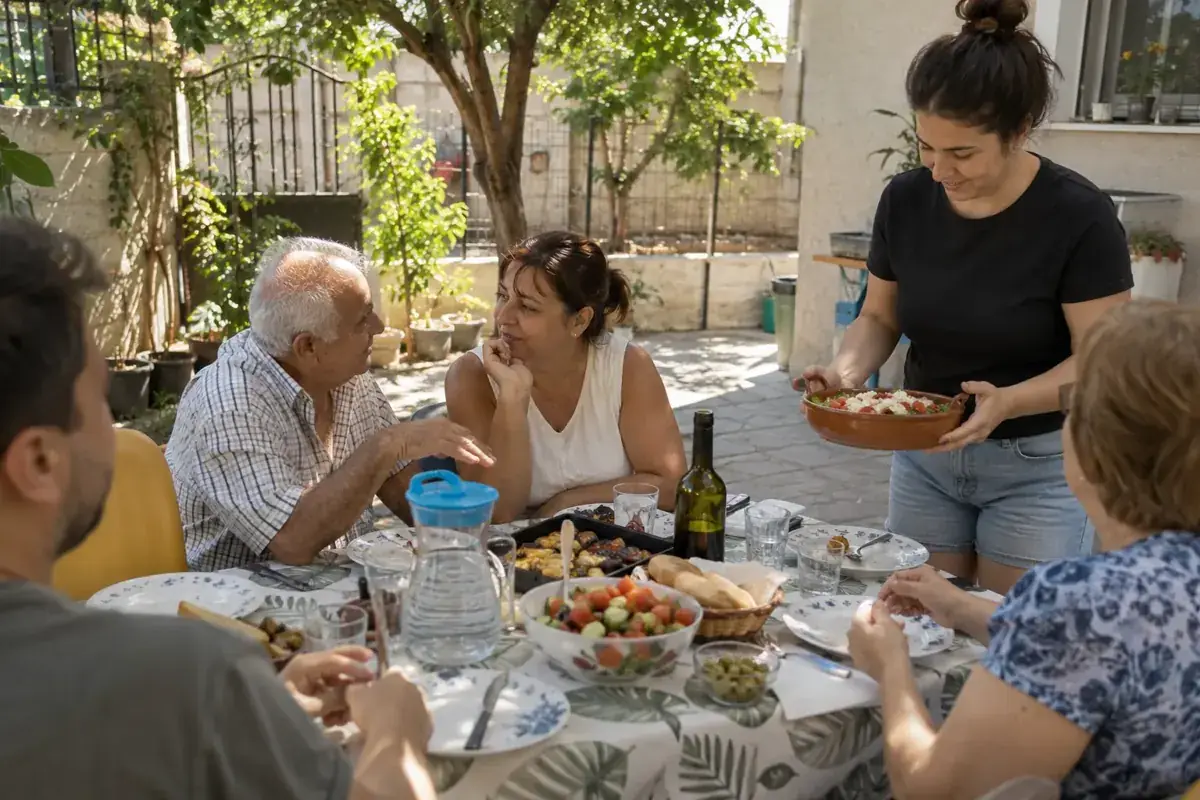
An outdoor party can feel relaxed and effortless, but an open space doesn't organize the experience on its own. You need to consider where people will chat, how food is served, what activities fit, and where someone can rest if they don't want to join in. This guide focuses on designing an enjoyable gathering in a garden, patio, or permitted venue. Weather decisions and shelter plans require dedicated preparation beyond these ideas. Don't take pretty decor or a canopy tent as proof that a venue holds up in any weather: first check the site's actual capabilities and its rules.
To check these choices with your own inputs, use Cake Serving Calculator: Sizes and Cutting Layout. The method and limits stay visible, and the worksheet exports without an account.
To check these choices with your own inputs, use Tablecloth Size Calculator: Drop and Cut Size. The method and limits stay visible, and the worksheet exports without an account.
Choose the setting for its usability, not just its look
A garden may look spacious yet have few flat spots; a park may be pleasant, but require permits or have set hours. Confirm conditions with the venue manager or local authority before sending invitations. Ask about access to restrooms, water, electricity, and trash management. Don't assume every public space allows tables, amplified sound, or commercial activities. Regulations vary by location and must be verified for your event's date.
Tour the location around the same time of day as your event. Check shade, noise, uneven terrain, and the distance from arrival to the gathering area. A short walk for you might be tough for someone else. Share specific details about the terrain and ask about accessibility needs. If you cannot provide a required accommodation, find an alternative rather than labeling a space accessible without verifying. The experience begins before anyone reaches the table.
Design small zones with distinct functions
A straightforward layout can include arrival, food, conversation, and activity areas. There's no need to fill the entire grounds. Grouping functional areas closer together cuts down walking distances and helps people mingle. Keep walkways clear and don't place decorative elements where they force detours. If cords or equipment are needed, coordinate their setup with the right person and avoid makeshift fixes crossing foot traffic paths.
Mix different seating options whenever possible. A picnic blanket might be great for some, but others need a sturdy chair with back support. Don't make a picnic aesthetic a physical prerequisite for taking part. Provide resting spots close to the action, not isolated from the group. If children will be there, agree with their parents or guardians on how they'll be supervised, and avoid assuming any open space is automatically safe for unchaperoned play.
Read more: How to organize a family gathering where every generation has a place.
Offer drop-in, drop-out activities
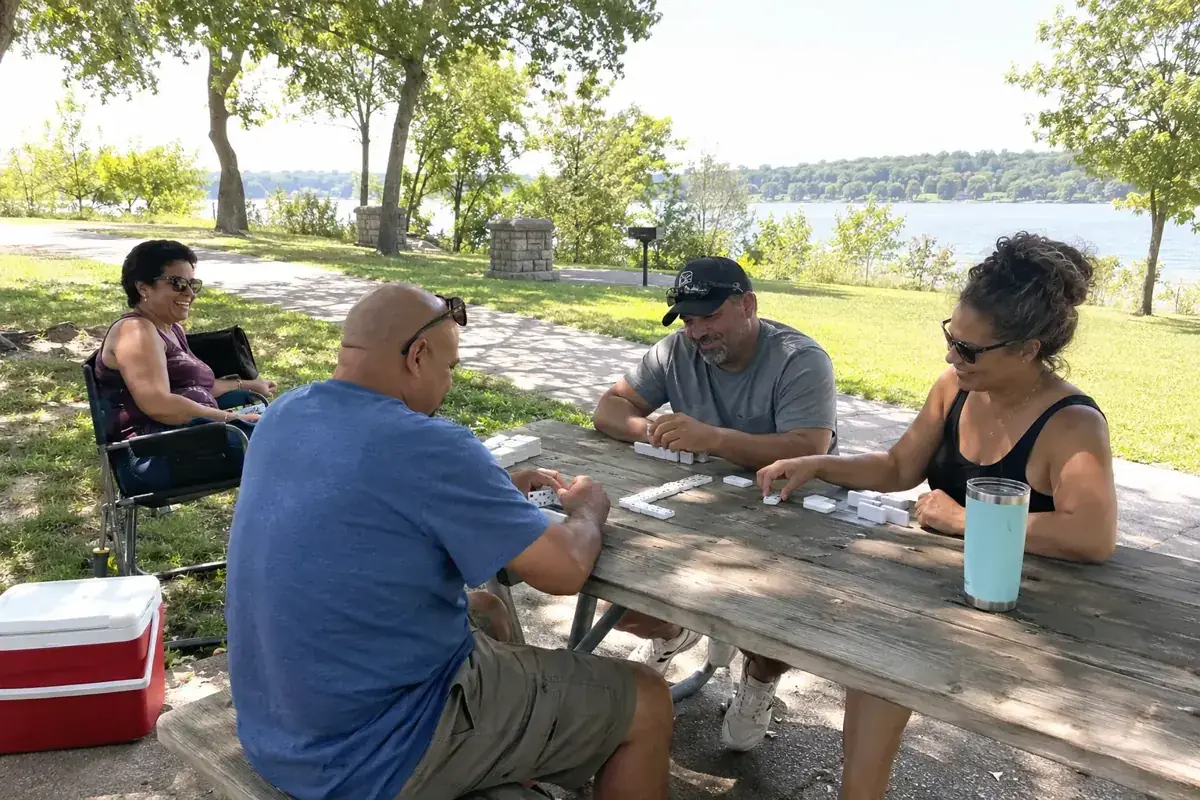
Board games, a simple creative activity, or a brief walk along an approved route can work well without requiring everyone to participate. Explain the instructions in a few quick steps and offer a low-key alternative. A drawn-out contest can leave out late arrivals or newcomers to the group. For a small gathering, an activity that sparks conversation is far more useful than an itinerary that fills every single minute.
Pick materials that hold up to wind and are easy to pack away. Lightweight cards, loose papers, and tiny decorations can blow away or turn into litter. Skip confetti and items you can't fully pick up afterward. If you're using borrowed items, note who is collecting them at the end. Don't use balloon releases, wildlife, or elements from the natural surroundings as part of an activity without considering their impact. You can create a memorable experience using reusable supplies while leaving the site undisturbed.
Walk the route of a guest with their hands full: arriving, dropping off belongings, grabbing water, serving themselves, and finding a seat. If they have to cut through a game, dodge a table, or navigate tricky terrain, tweak the setup. Also walk the route of whoever cleans up: where trays are left, where trash bags are kept, and how to pack up gear without interrupting everyone. These are two distinct flows that a photo of the space won't show. You can sketch a simple layout to share with your helpers without turning it into a blueprint. The point is to spot bottlenecks and fix them before people, food, and gear are all competing for the same spot.
Make the food practical for the space
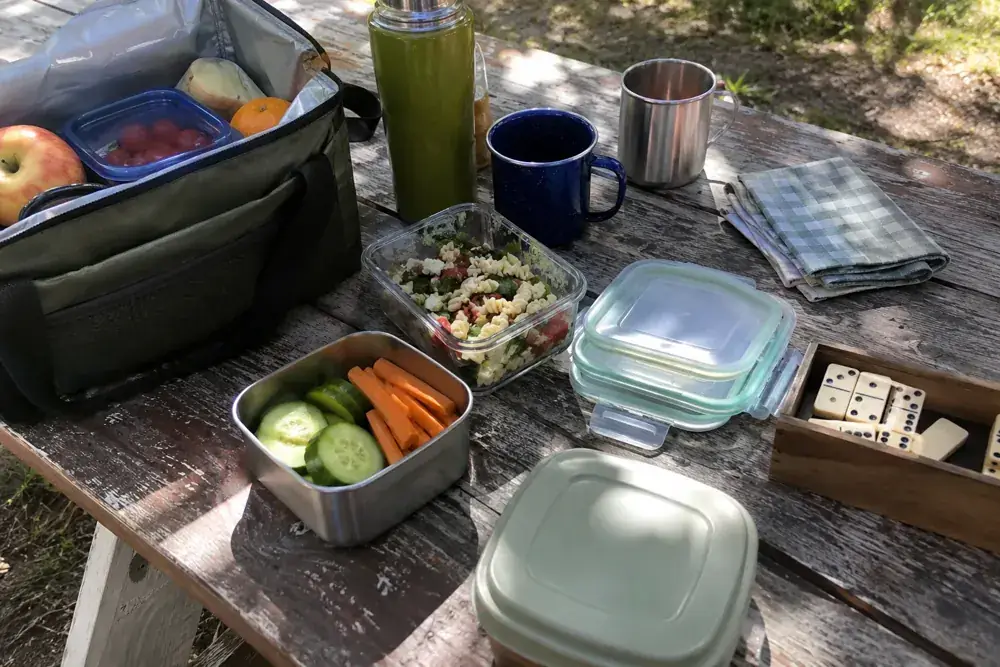
The menu must match the available setup. If there's no reliable way to keep dishes chilled, heated, or covered, choose different food or hire a caterer equipped to handle it. Don't rely on nice weather to preserve food safely. Consult whoever is preparing the food and follow their guidelines. A table in the shade doesn't automatically eliminate all temperature or exposure hazards.
Set up the layout so drinks don't crowd the food line and trash bins are easy to spot. Keep drinking water clearly visible and explain what the invitation includes. If guests are bringing dishes, coordinate categories and serving utensils. Outdoors, hosts often realize too late that nobody brought tongs, serving spoons, or bins for clearing plates. Pack a service kit with essentials and assign someone to double-check it before heading out.
Let the atmosphere support conversation
Lighting and music should fit the time of day and the setting. If the party stretches past dusk, make sure pathways and entrances are well lit; don't rely solely on decorative candles. Confirm whether sound is allowed and up until what hour. Keep the volume at a level that lets people chat comfortably and respects others sharing the space. Avoid citing noise ordinances as if they apply universally across all jurisdictions.
Keep guests' diverse expectations and comfort in mind as well. The invitation can note the type of terrain, the duration, and whether activities are planned, so everyone can dress and choose shoes accordingly. Avoid dress codes that clash with the setting. A lawn party with a formal footwear requirement can cause unnecessary hassle. Practical details are worth far more than poetic descriptions that don't help people prepare.
Read more: How to host a brunch at home with great flow and minimal cooking on the spot.
Agree on who changes the plan and how cleanup works
The National Weather Service recommends having a lightning safety plan for organized outdoor events, with clear roles and decisions. For your gathering, check advisories from your local weather authority, pick an adequate shelter, and determine how you'll communicate updates. A party canopy should never be treated as adequate protection in a thunderstorm. If conditions don't allow for a safe event, postponing or changing locations is a sensible choice.
Wrapping up is just as much a part of the design. Budget time to pack up equipment, sort trash according to venue rules, and check for dropped personal belongings. Walk the grounds before departing and return borrowed items. If anyone needs assistance leaving, arrange it while there is still daylight and people around to help. A well-planned outdoor party leaves great memories and a clean space, not just nice photos. The casual freedom of the format shines best when the practical details are already taken care of.
From reading to action
Review your plan before sending invites
Check off what you've already sorted out. This checklist is saved only in this browser, without sending data or creating an account. It is not an app feature.
0 of 7 tasks completed
Before finalizing your plan
Does a tent or canopy let us stay out in any weather?
No. A party canopy should never be treated as safe shelter during a thunderstorm. Follow local advisories and establish a proper safety plan.
What activities work well in a garden or backyard?
Activities that fit the terrain, venue rules, and guests. Board games or optional creative activities can encourage mingling without demanding effort from everyone.
How do I make a picnic more comfortable?
Provide sturdy chairs, clear pathways, and options for resting. Sitting on the ground shouldn't be mandatory to participate.
Sources and helpful reading
Practical guide from the editorial team. Examples are for guidance; adapt decisions and requirements to your event.
- Convite: official product information: Check features and terms for the app on its official website. The checklists on this blog are editorial resources.
- National Weather Service: Outdoor safety: Primary source highlighting the need for a lightning safety plan. For local decisions, consult your area's meteorological authority.