Birthdays with intention
How to Plan an Adult Birthday Party You’ll Actually Enjoy
Host an adult birthday party with a comfortable format, well-coordinated guests, and simple food. Includes pacing ideas and a practical checklist to review.
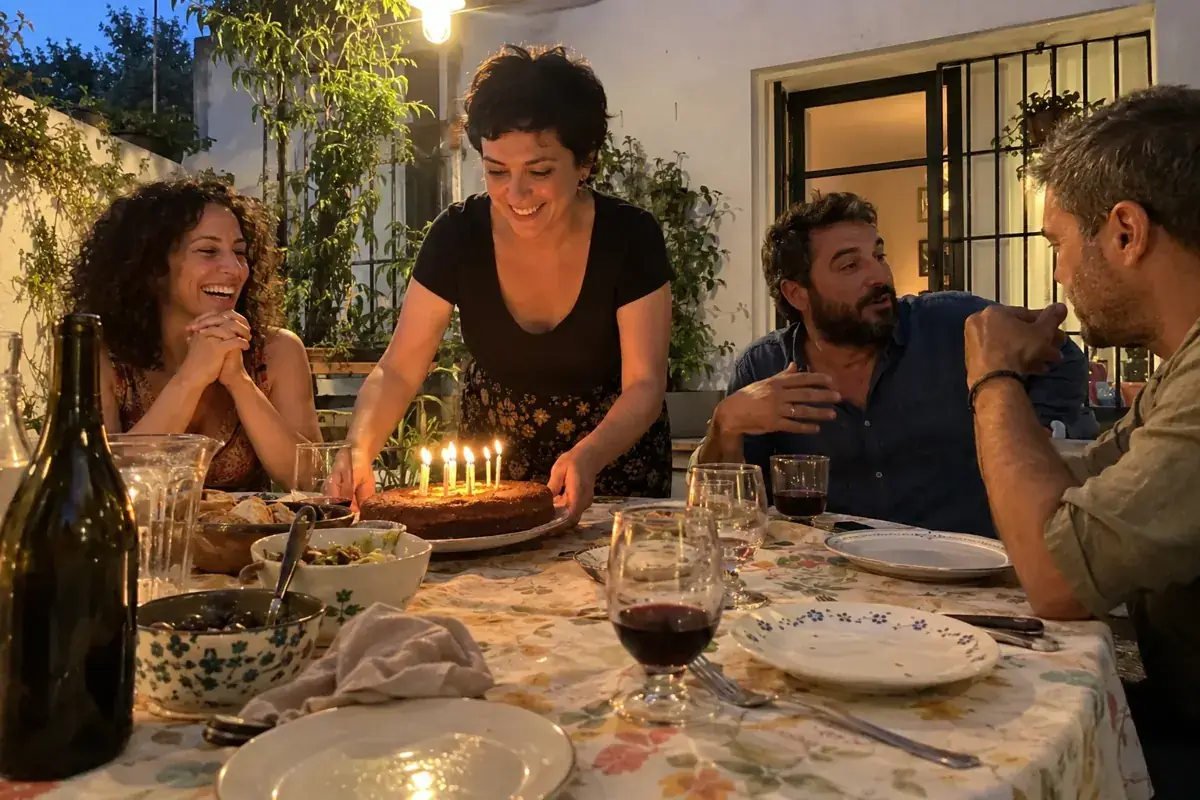
Planning an adult birthday party means choosing a format, a guest list, and a rhythm that the guest of honor enjoys from start to finish. An adult birthday can be a lunch for eight people, a night of dancing, or a gathering where different circles finally meet. The best choice is not picking a decor theme: it is defining how the person celebrating wants to spend that day. This guide offers an intimate approach to celebrating, with concrete decisions regarding format, plus-ones, food, and flow. The example is a fictional gathering of eighteen people on a patio, helpful for visualizing arrangements without turning those numbers into a rigid formula. Adapt each step to your space, budget, and genuine desire to celebrate.
To check these choices with your own inputs, use Cake Serving Calculator: Sizes and Cutting Layout. The method and limits stay visible, and the worksheet exports without an account.
Start with what the person wants to experience
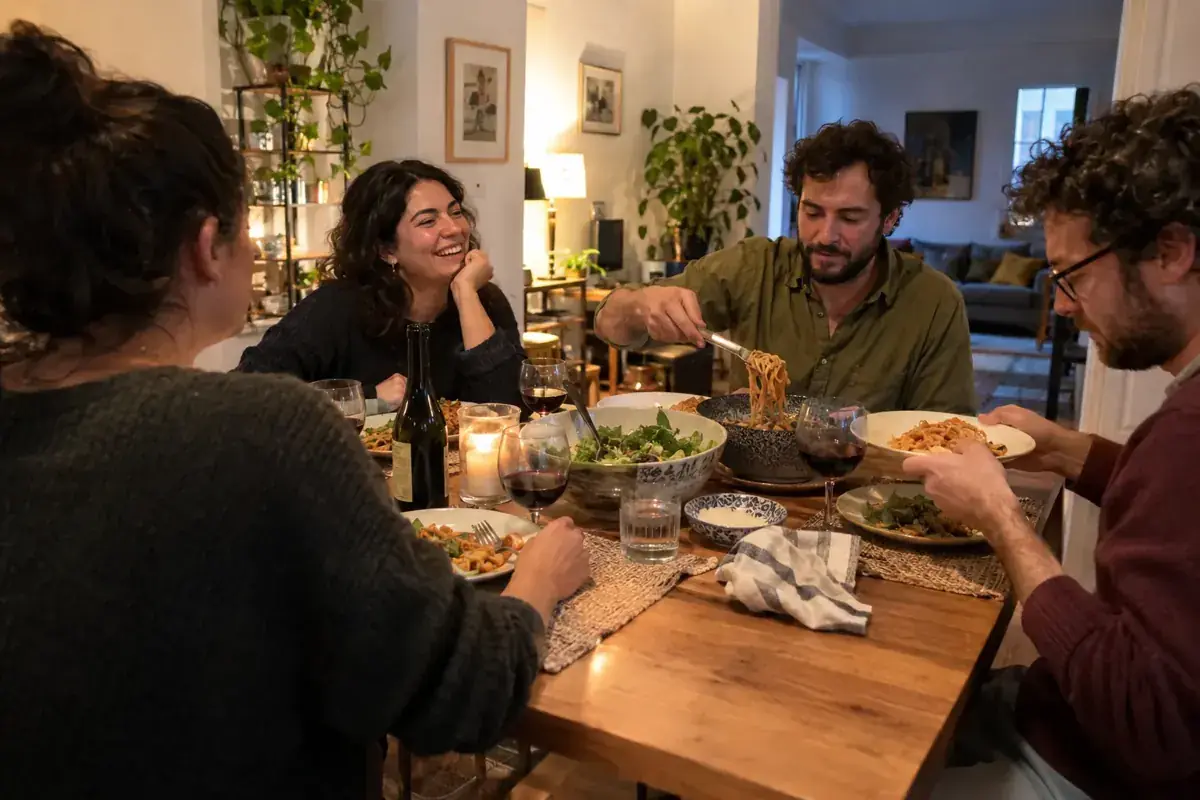
Ask what moments they would look forward to and what they would rather avoid. Someone might love a long dinner and hate being called up to the front; someone else might want to dance without having to chat with everyone in the room. Summarize the answer in one sentence: “I want to have dinner with my friends and wrap up before midnight.” That sentence helps eliminate unnecessary expenses and activities that do not serve the vision. If you are planning your own birthday, you do not need to justify a small gathering or invite every acquaintance either. The guest list should fit the experience, rather than stretching the experience to fit an endless list.
Next, choose a single material priority: good food, music, or a comfortable space. For our patio example, the host decides to invest in an easy-to-serve dinner and keep the decor to simple flowers. She is not trying to recreate an internet photograph. She is making sure she can sit at the table and talk. This decision also makes it easier to ask for help: someone takes charge of receiving the food, and another person prepares the playlist before guests arrive.
The format shapes the list and the timeline
A seated dinner requires solving seating, tableware, and serving; a gathering with food stations allows freer movement but calls for places to sit and rest. A night out at a restaurant requires knowing who pays and how the bill will be split. Specify these terms before people RSVP. “Everyone covers their own tab” sets a very different expectation from “Dinner is on me.” If there will be a shared contribution, explain its purpose and ensure people can participate without pressure.
Do not confuse arrival time with mealtime. At a home gathering, you might invite people for seven and serve at eight, but anyone arriving hungry needs to know that. Note both reference points when they matter. For people leaving work late, a flexible arrival window is much kinder than a one-time activity in the opening minutes. If the birthday person wants a group photo or to cut the cake early, announce it naturally and stick to that schedule even if some guests arrive later.
Read more: How to plan a surprise party without making the guest of honor uncomfortable.
Possible formats depending on the type of celebration
Choose the format based on what the person wants to experience, not on what is easiest to advertise.
| Format | Advantage | Things to watch |
|---|---|---|
| Dinner at home | Intimate conversation | Requires time for cooking and cleanup |
| Meal at a restaurant | Less work for the organizer | Review reservation, timing, and policies |
| Outing to a venue | Changes the pace of the day | Confirm transportation and access |
| Brunch at home | Flexible schedule | Define how long guests will stay |
If there are plus-ones who do not know each other, a simple activity at the start helps break the ice. If you are interested in a more relaxed format, check out the guide on hosting brunch at home.
Define plus-ones without awkward conversations
Ambiguous invitations cause guest lists to balloon without anyone acting in bad faith. If your list has eighteen spots, note who holds each one and clarify whether it includes a plus-one. You can write: “We’d love to have you and your partner; please confirm if both of you can make it.” If space does not allow for extra guests, a polite and straightforward note works better than a lengthy excuse. Apply the same criteria to everyone, barring special accommodations such as a support person.
Groups of friends who do not know one another appreciate a little help settling in. Greet each person by name and introduce a genuine shared interest: “You both love cooking” works much better than leaving someone lingering by the door. Do not turn the birthday into a mandatory networking exercise. It is enough to disperse conversations, seat anyone arriving alone near an attentive friend, and avoid making the guest of honor carry the entire atmosphere.
If you are torn between inviting twelve people for dinner or thirty for a shorter party, compare the work of each option separately. Write down how many seats you have, who will serve, what can be prepped in advance, and how much time you would spend away from your guests. Do not decide solely on total price: a cheaper option might demand an entire day of labor that you do not want to give yourself on your birthday. You can also celebrate in two smaller moments, provided you truly enjoy that and it does not double your obligations. The important thing is to decide before sending invitations, because switching later from a seated dinner to a cocktail reception without a meal alters what guests expect and how they prepare to join you.
Serve food that doesn't keep you tied to the kitchen
Choose a menu that can be finished before guests arrive or truly delegated. Three dishes you know well often yield better results than eight brand-new recipes. Think about the flow: where food is received, where it is held according to its requirements, and how it is served without creating a line that blocks traffic. Inquire about dietary restrictions privately and list ingredients clearly; do not promise the absence of allergens if you cannot guarantee it with whoever prepares the food.
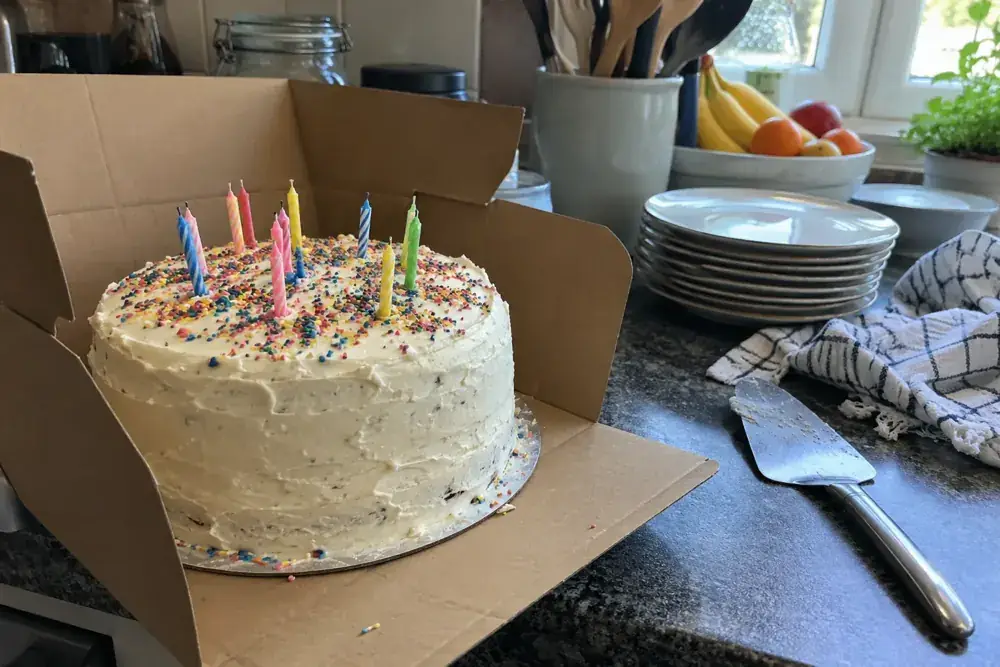
In our patio example, the food table is separate from the drinks. That way, someone getting a glass of water does not have to cut through the buffet line. Visible non-alcoholic options are available from the start, and water is accessible throughout the entire party. A designated person oversees the cake, and a serving knife is easy to find. It sounds like a minor detail, but searching for utensils while everyone waits tends to disrupt the very moment you wanted to share. Also keep appropriate containers on hand if you plan to send leftover food home.
Give it a rhythm without filling every minute
It helps to structure three moments, even if you do not hand out an itinerary: welcome, meal, and closing. Leave open time between them. A brief activity can help if it arises naturally from the group, such as sharing a photo or picking a song tied to a memory. Do not pressure anyone into talking about feelings, drinking alcohol, dancing, or playing a game. Spontaneity comes much more easily when people know they can simply observe and still be part of the celebration.
Agree on who will announce when the cake is brought out and who will turn down the music so everyone can hear. After that main moment, you do not need to invent another surprise. You can let conversation continue or open up a space for dancing. If neighbors are nearby, confirm venue rules beforehand and plan how to lower the volume. Do not assume a universal quiet hour applies everywhere across Latin America: regulations and agreements vary by municipality, building, and establishment.
Read more: How to host a dinner party with friends without spending all night in the kitchen.
Close with the same care with which you welcomed
An approximate ending time helps guests arrange rides and manage their commitments. Toward the end, offer coffee or water, store leftover food according to the instructions of whoever prepared it, and make it easy for everyone to gather their belongings. Never pressure anyone to drive after drinking. Guests who prefer an early night can say goodbye without an extensive round of explanations. The celebration wraps up best when the host is not left managing ten things while the last guests stand by waiting for direction.
The next day, thank everyone for their company with a simple message. Share photos only with the permission of those who appear in them, and avoid posting addresses or details from the invitations. Write down two decisions that worked well and one you would change: serving earlier, hiring less decor, or inviting fewer people. A well-organized birthday doesn't show how hard you worked; it allows everyone to remember conversations, a shared meal, and the joy of having been together.
Schedule ideas for a relaxed evening
There’s no need to fill every minute. A few options work well for adult gatherings:
- Table talk with question prompts: cards with short topics for anyone who wants to chat.
- Photo walkthrough: a brief selection, without forcing anyone to speak in front of everyone.
- Background music: a playlist chosen with the guest of honor, with lulls for conversation.
- Brief toast: by one or two people, if the guest of honor wants to hear them.
Leave at least one open space so anyone can walk up and chat with whoever they want. If the celebration will be a surprise, check the guide on surprise party first to decide if it makes sense.
From reading to action
Review your plan before sending invites
Check off what you've already sorted out. This checklist is saved only in this browser, without sending data or creating an account. It is not an app feature.
0 of 7 tasks completed
Before finalizing your plan
How many people should you invite to an adult birthday party?
As many as comfortably fit within the chosen format and budget. A seated dinner requires more space and service coordination than a brief get-together.
Do you need to organize games?
No. Good conversation, food, and a moment for cake can be plenty. If you suggest an activity, allow people to participate or watch without pressure.
How do I make it clear that everyone pays their own way?
State it before guests confirm their attendance, in the same message where you explain the venue and format. Avoid announcing it upon arrival or when asking for the bill.
Should the guest of honor know about the plan?
Almost always yes, because the celebration should reflect their tastes and availability. You can consult them on the format and date without revealing every detail to the guests. If you want a surprise, first consider whether that person actually enjoys that kind of attention.
How do you decide how many people to invite?
Start with the available space, the budget, and what the guest of honor wants. A small group makes conversation easier; a large one requires more coordination for arrival, food, and wrapping up. If in doubt, define a core group first and then add guests using a clear rule.
What kind of food is most practical for an adult birthday party?
Food that doesn't keep you stuck in the kitchen for the entire gathering. Sharing platters, a simple buffet, or a meal prepped in advance are usually easiest for the host.
Sources and helpful reading
Practical guide from the editorial team. Examples are for guidance; adapt decisions and requirements to your event.
- Convite: official product information: Check features and terms for the app on its official website. The checklists on this blog are editorial resources.