
Invitations
Housewarming invitation wording: clear details and examples
A housewarming invitation needs the date, time, address and a clear request to reply. Say whether you are hosting a meal at a fixed time or welcoming visits during an open window. Keep gifts optional and share private entry details only with invited guests.
Updated 2026-11-13

Celebrating a new home can mean a small dinner or a relaxed afternoon of visits. Confusion starts when “drop by anytime” means a quick visit to you and a full dinner to your guest. Decide what you can actually host before choosing the invitation design. This guide offers fictional wording examples, compares the two formats and provides a local wording review. It does not book visits, send invitations or validate an address. You remain responsible for replies and for checking any move-in or entry detail that is still unsettled. A clear first message gives guests enough information to plan without guessing what you expect.
| Situation | Check this | Do not promise |
|---|---|---|
| Dinner | Time and reply | Continuous service |
| Open visit | Start and end | Full meal |
| Voluntary contribution | Specific agreement | Required purchase |
Choose a meal or an open visiting window
For dinner, set an arrival time and ask for replies before buying food. For an open visit, give a start and an end: “Drop by between four and seven; let me know roughly when you plan to arrive.” That wording does not mean you can accommodate every guest at once.
If space is limited, arrange visits directly rather than publishing an unchecked capacity. Distinguish your hosting schedule from actual building rules. Do not describe a personal preference as a property requirement.
A short template you can adapt
Fictional dinner example: “We have moved! We would love to celebrate with you on Saturday [date] at [time], at [address]. We are making a simple dinner. Please let me know by [day] whether you can join us. No need to bring anything.” Replace every field and check the weekday against the date.
Open-window example: “Come see our new place on [date], between [start] and [end], for a drink and a catch-up. Let me know roughly when you would drop by.” If you are not serving a meal, say so clearly instead of implying dinner.
Read more: Invitation location: map link, address, and entrance.
Review the scope before replying
Agree on people and schedule scope before sending. Do not promise entry arrangements or services without checking.
Check that the list and message agree. A read notice does not confirm attendance.
Keep the question pending until an explicit answer. Do not add seats automatically.
Compare two scope statements
Use fictional examples. Matching does not prove sending, attendance or approval.
- Invitation
- List
Final wording review
Reviews: 0 of 5.
Reviews: {n} of 5.Share an address guests can use
Check the street number, unit and correct entrance. If the property has several buildings or gates, add a useful landmark in the private message. A map pin can identify the right street but the wrong door. Have someone unfamiliar with the home read the directions before sending them.
Do not put permanent entry codes, documents or full conversations on a card that may be forwarded. Check visitor arrangements with the property contact when needed, without sharing information about other residents. The location guide explains which directions to include and what to confirm separately.
An invitation layout perspective
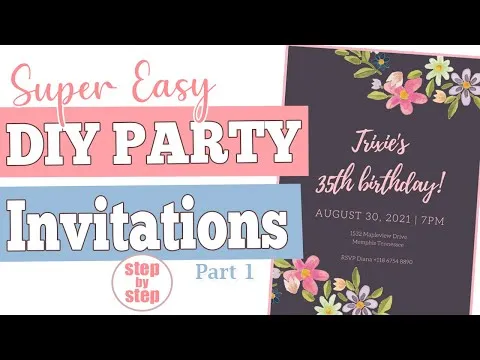
ItsTrixTV shows a separate digital invitation design workflow. The tutorial illustrates card layout; it does not decide who is invited or demonstrate an automatic Convite RSVP feature. Review who is included and what remains undecided before adapting the design.
The YouTube player loads when you open the video. Watch on YouTube.

Keep gifts and food expectations explicit
If you do not want gifts, “Your company is all we need” is enough. Avoid making a shopping list sound like an admission requirement. When someone offers to bring something, answer based on what you actually need and can accommodate. A large gift may be awkward while you are still unpacking.
For a potluck, coordinate contributions after you know who is coming. Ask about necessary food needs directly and privately rather than posting personal information to the whole group. Do not guarantee that a dish suits everyone without checking its ingredients and preparation.

Separate reading from an actual RSVP
“The place looks lovely” may be congratulations rather than an RSVP. Ask “Should I count you in for dinner?” or “About what time would you stop by?” depending on the format. Keep pending answers separate and do not treat silence as a yes.
If a delayed move changes the date, send a specific correction and request a fresh answer when the plan changes. Earlier availability does not establish availability on the new date. Do not describe automatic reminders, validated maps or potluck coordination as Convite features.
Read more: How to host a dinner party with friends without spending all night in the kitchen.
Review the wording before sending
Read the date, time, address and event format together. Check that the invitation agrees with your working list. This page’s local comparison flags wording differences but does not choose the correct version or verify that an address exists. Use fictional details when trying the tool.
Convite provides QR invitations and guest-list features within its actual terms; learn about the app from its home page. Welcoming guests, handling replies and deciding which details to share remain your responsibility. Keep a straightforward reply option for people who prefer not to open a digital card.
Also read: How to choose an event venue beyond the photos.
Before finalizing your plan
Does it need to be a big party?
No. State whether it is dinner or a short visit.
Should I post the address publicly?
Share address and entry details with invited guests through an appropriate channel.
How do I say no gifts?
Try “Your company is all we need.”
Does an open window mean no reply?
Not necessarily; ask for an approximate arrival if needed.
Does a read message confirm attendance?
No. Ask for an explicit reply.
Does the tool send invitations?
No. It only helps review wording locally.
Sources and helpful reading
Practical guide from the editorial team. Examples are for guidance; adapt decisions and requirements to your event.
- Understandable instructions: Reference on clear instructions; the party examples are editorial suggestions.