Guides for hosts
How to choose an event venue beyond the photos
Compare event venues with an effective walk-through: access, traffic flow, amenities, hours, total cost, and a backup plan that actually works.
To choose a venue for an event, visit it and compare access, foot traffic, amenities, schedules, and total cost. Photos help you envision a gathering, but they don't show the path from the street to the restroom or how much setup time you'll have. Choosing a venue requires looking at the full experience. A simple, comfortable room can work better than a spectacular space with restrictions that clash with your plan. This guide offers a practical comparison for personal gatherings and small events. It does not replace the technical or regulatory review appropriate for the venue. It helps you ask good questions, identify pending items, and make a decision that respects your budget, the type of gathering, and the needs of those attending.
Define function before looking for aesthetics
Write down what people will be doing: talking while seated, dining around a table, dancing, listening to a presentation, or coming and going in shifts. A venue suitable for one activity may prove uncomfortable for another. Also think about duration, schedule, and season. A pleasant terrace at dusk does not necessarily work at noon. A room that feels spacious when empty can stop feeling that way once you add tables, equipment, and a service area.
Distinguish requirements from preferences. Usable access for invited guests or a schedule compatible with setup are requirements. A wall of a certain color is usually a preference. If everything appears indispensable, it will be hard to compare. Pick a few non-negotiable conditions and check them first. That way you avoid spending time imagining decorations in a space that cannot host the event as you need. Selection becomes clearer when you know what problem each feature needs to solve.
Walk the arrival path as if you were a guest
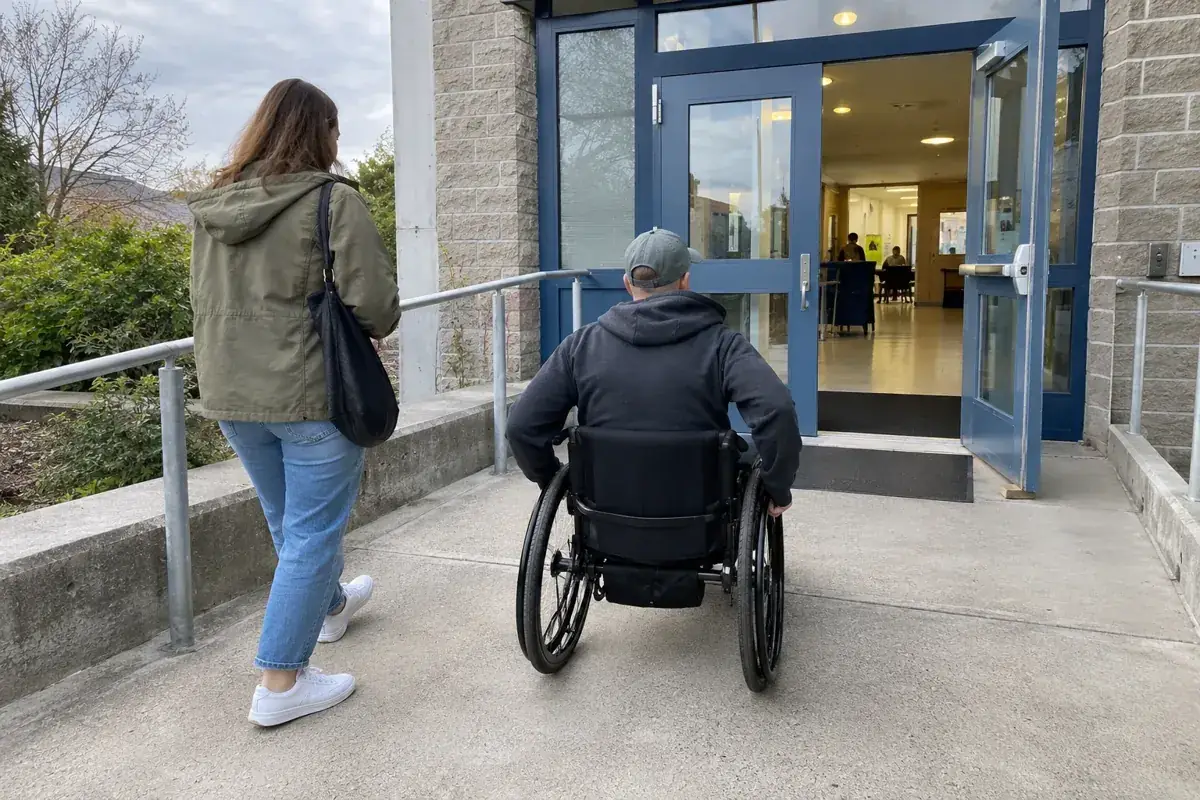
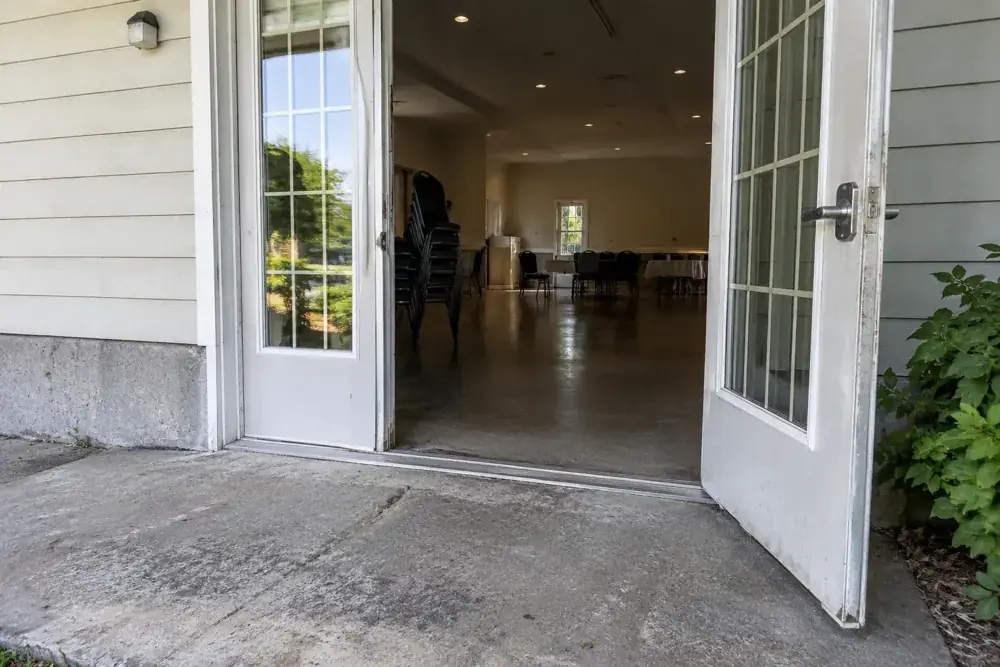
Start outside the building. Check how the entrance is identified, where transportation can pull up, and what route someone takes to reach the event area. Check steps, uneven surfaces, lighting, and doorways. Don't settle for the word “accessible” in a listing: describe what exists and ask those who need it what information helps them decide. Needs vary, and a solution that works for one person may not resolve someone else's situation.
Continue toward restrooms, tables, and exits. Notice if a line at reception would block passage or if food service would require crossing the entire seating area. The W3C accessible events guide highlights the importance of reviewing entrances, meeting spaces, and restrooms. For a social event, that perspective translates into a concrete visit and respectful questions. It does not require asking guests for diagnoses or claiming a venue works for everyone just because one part of the path seems comfortable.
Read more: How to make an event more accessible starting from the invitation.
Ask about the space using the actual event setup
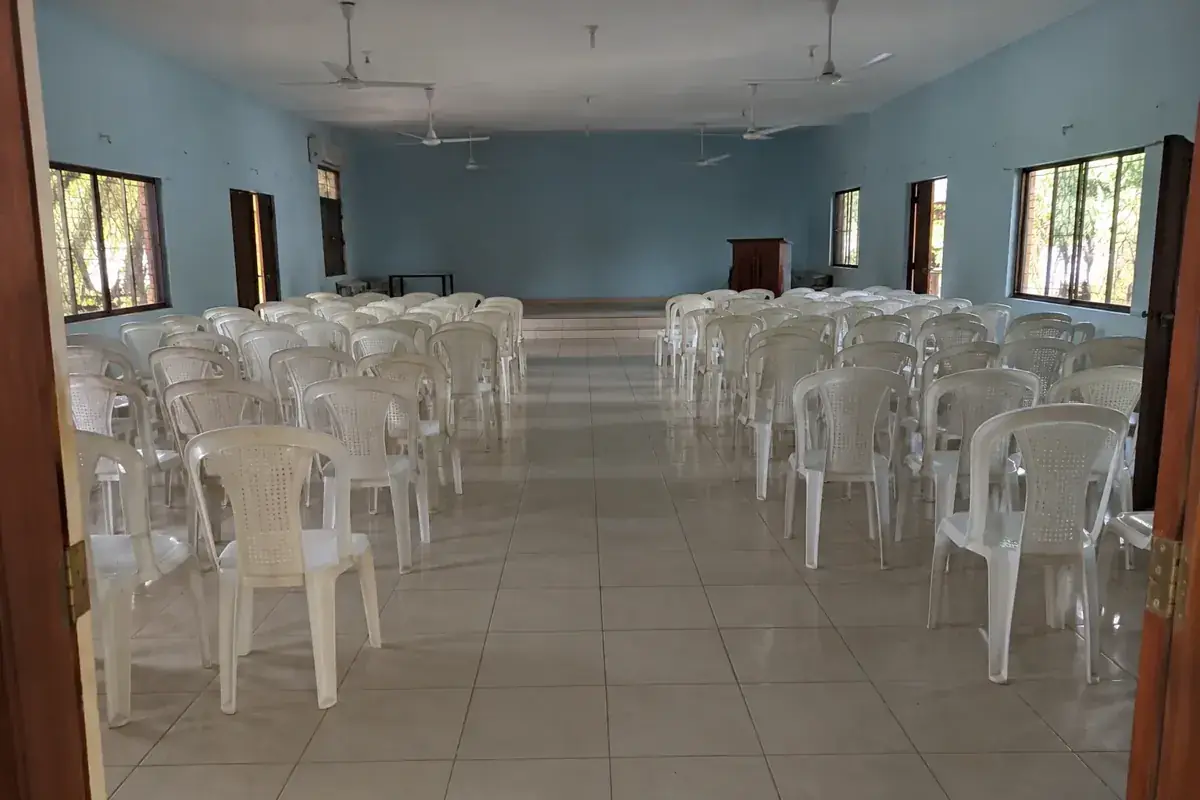
Request the authorized capacity and confirm how it changes with your planned layout. Don't make up a number based on photographs or use an informal square-footage rule per person as a substitute for what the facility establishes. Ask to see a setup similar to yours, if one exists, or sketch a simple layout with the manager. Account for food tables, reception, equipment, foot traffic, and space to step away from a conversation. Usable area rarely matches the full advertised square footage.
Ask what furniture is included, what condition it is in, and who sets it up. Check whether you can move it and whether there are restrictions on decorating walls or hanging items. If you need specialized equipment, check compatibility and conditions with qualified personnel. Don't improvise electrical setups or block pathways to achieve a more photogenic layout. A nice floor plan has to work when everyone is present, there are bags on the floor, and staff need to move around with supplies.
Review schedules, services, and responsibilities
Clarify the access time, event start, activity wrap-up, and the time by which the space must be vacated. Ask whether setup and cleanup are included in the contracted time. Check who opens, who closes, and what happens if a delivery arrives early. Also identify available amenities: restrooms, water, permitted kitchen use, refrigeration, furniture, connectivity, and staff. A vague word like “equipped” does not answer what you can use or under what terms.
Request the complete cost in writing, with mandatory fees and optional services broken out. Check change or cancellation policies before booking; do not assume a deposit is refundable. If there are limits on sound, decoration, outside food, or vendors, factor them into the decision. It's not about finding a venue without rules, but choosing one whose terms are compatible with your gathering. A known restriction can be managed; one discovered during setup usually costs time, money, or both.
Compare using a concise matrix and a purposeful visit
Choose criteria that genuinely distinguish your options: arrival, comfort, included amenities, scheduling flexibility, and total cost. You can give each criterion a simple score, but don't let a sum hide an unmet requirement. A venue with a high aesthetic score is still unsuitable if a key person cannot get in or if you have to clear out before the main activity. Mark those points as acceptance conditions, not just another star in the table.
During the visit, take notes and permitted photos of the space, not of bystanders. If possible, see the venue at a time similar to the event to observe light and surroundings, without assuming conditions will be identical. Bring the same questions to each option. When you finish, record pending questions and who needs to answer them. A comparison works better with incomplete data clearly marked than with optimistic assumptions written down as facts.
Read more: Rain Plan for an Event: Decide Before the Sky Changes.
Confirm the choice and prepare for use
Before announcing the final address, verify that the reservation and terms are confirmed. Share practical details with the team: vendor access, contact person, entry times, and relevant rules. Prepare directions for guests that describe the arrival without overwhelming them with internal details. If the venue has multiple entrances, identify the correct one with a clear landmark. Check the map link and do not rely solely on the business name if it could be confused.
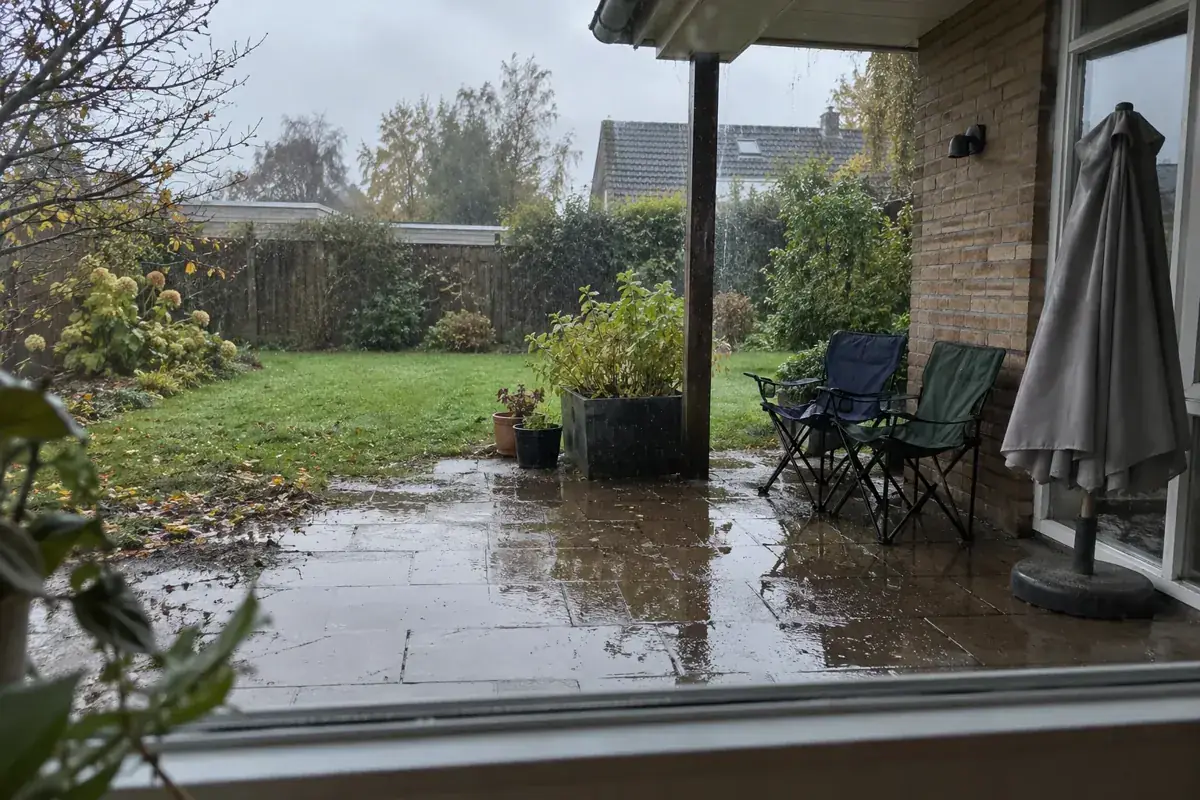
If part of the event is outdoors, review a backup plan before committing to the format. The covered area must be able to accommodate the group and allow for essential activities; a small awning does not solve all weather conditions. Define who decides on the switch and when it is communicated. Choosing a venue well means the event retains its purpose even with minor adjustments. Aesthetics can support that decision, but comfort and feasibility must anchor it.
The question that helps compare two finalists
If two venues seem equal, picture the event without decorations and ask which one requires fewer workarounds to function. Perhaps one requires renting chairs, improvising a reception area, and purchasing extra access hours, while the other already addresses those needs. Add up those costs and efforts before deciding. Also ask what information remains unanswered. A vendor who confirms terms in writing allows you to plan better than an option offering only broad promises. This alone does not prove the overall quality of the service, but it does improve the clarity of the agreement you are about to accept.
From reading to action
Compare the venue
Check off what you've already sorted out. This checklist is saved only in this browser, without sending data or creating an account. It is not an app feature.
0 of 8 tasks completed
Before finalizing your plan
How many venues should you visit?
Enough to compare viable options. A shortlist with clear requirements prevents visits that cannot address your needs.
Can I calculate capacity by square footage?
Not as a substitute for the facility's official capacity and rules. Confirm the permitted occupancy and actual layout with the manager.
Does a covered terrace work as a rain backup plan?
It depends on its features and the weather event. For thunderstorms, an open-sided shelter is not equivalent to a safe indoor refuge.
Sources and helpful reading
Practical guide from the editorial team. Examples are for guidance; adapt decisions and requirements to your event.
- W3C: Checklist for organizing accessible events: Reference for checking routes, spaces, and restrooms; not a certification of the venue.