Guides for hosts
Rain Plan for an Event: Decide Before the Sky Changes
Prepare a clear rain plan for your event: backup venue, designated decision-maker, guest notifications, and priorities for moving what's necessary.
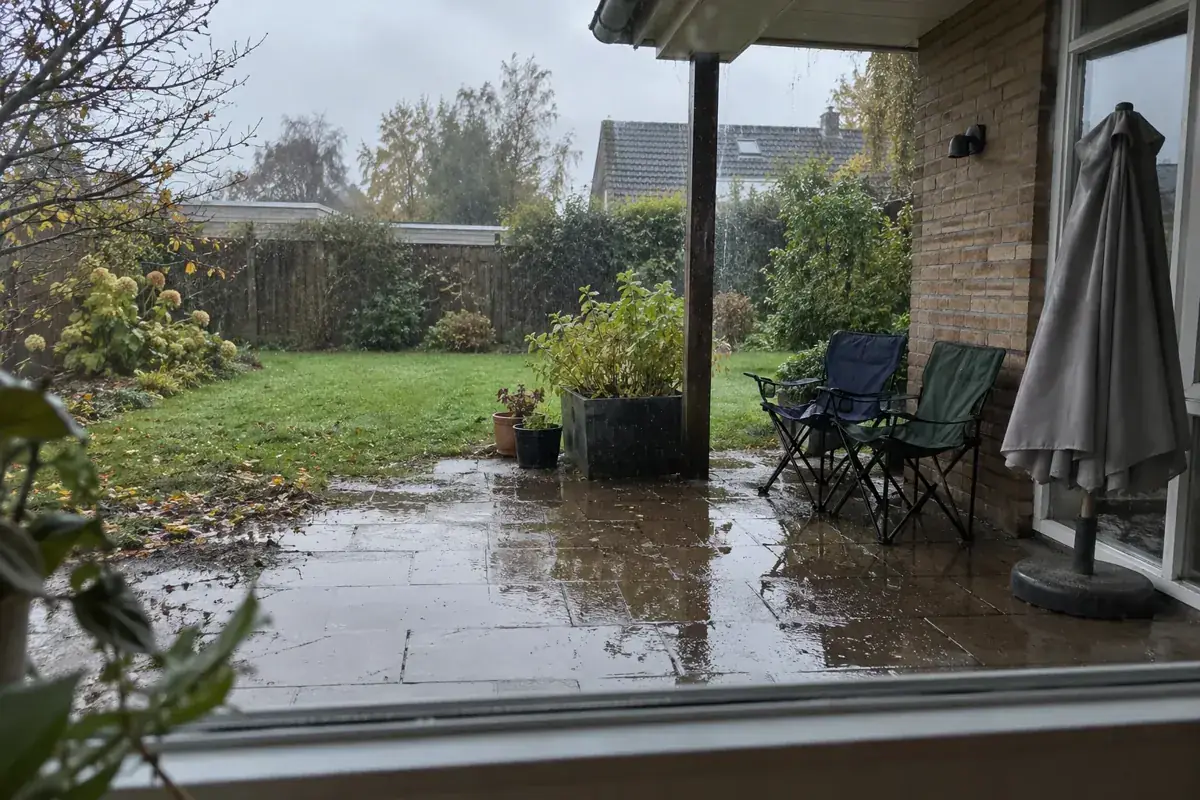
A rain plan does not mean crossing your fingers that the forecast improves or buying umbrellas the day before. It means deciding how the gathering will proceed if outdoor spaces are no longer viable. It is best prepared when you can still choose the venue, negotiate schedules, and explain the backup plan calmly. This guide separates comfort-driven adjustments from critical safety decisions and offers a straightforward system to communicate both. It does not replace instructions from civil authorities, weather services, or venue managers. The goal is to reduce last-minute scrambling and avoid having guests, vendors, and hosts receive conflicting directions at the most stressful moment.
Define which conditions trigger a change of plan
Plan for more than one weather scenario: light rain, steady downpours, high winds, extreme heat, or thunderstorms. Not all situations can be solved by the same backup plan. A canopy tent might shelter some items from a light drizzle, but it will not turn an open outdoor space into safe shelter from lightning. The U.S. National Weather Service reminds us that there is no safe place outdoors during a nearby thunderstorm. To make decisions for your location, follow official alerts and venue instructions, rather than waiting for rain to start falling on the tables.
List which parts of your schedule rely on the outdoors and which can easily be moved indoors. The meal might fit into an indoor room, but your main activity might need more room. If shifting to the backup plan alters the overall experience, it is best to acknowledge that early on. You can offer a shortened version, reschedule the date, or cancel based on agreed-upon terms. Avoid presenting as an equal alternative any option that leaves part of the group without a seat or without a safe, accessible pathway.
Verify that your backup option truly exists
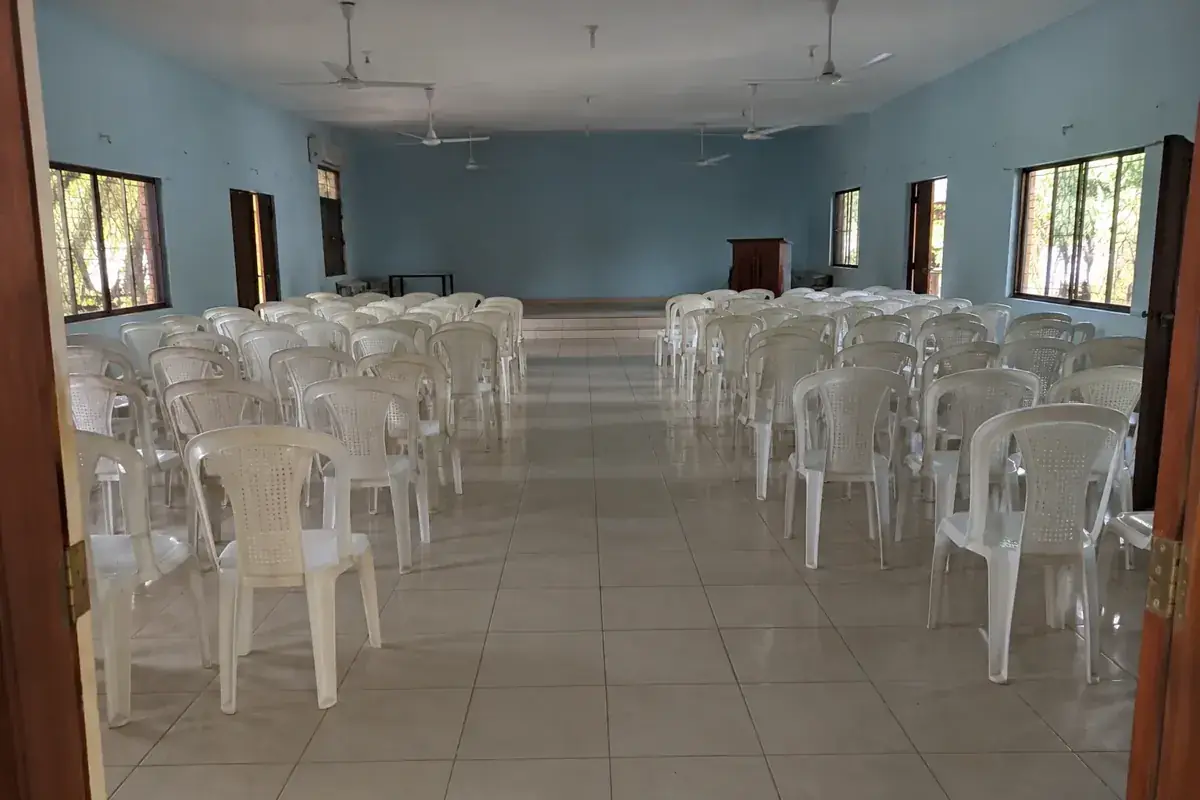
Tour the backup space and check its capacity, accessibility, restrooms, guest flow, and rental hours. Ask whether it is exclusively reserved for your group or if another event might end up using it. Also confirm who authorizes the room change and whether an additional fee applies. Saying “we'll just squeeze inside” is not enough if nobody has verified where tables, food, and guests will actually go. The room must work with the actual layout without blocking doors or exit routes to accommodate what was originally set up on the lawn.
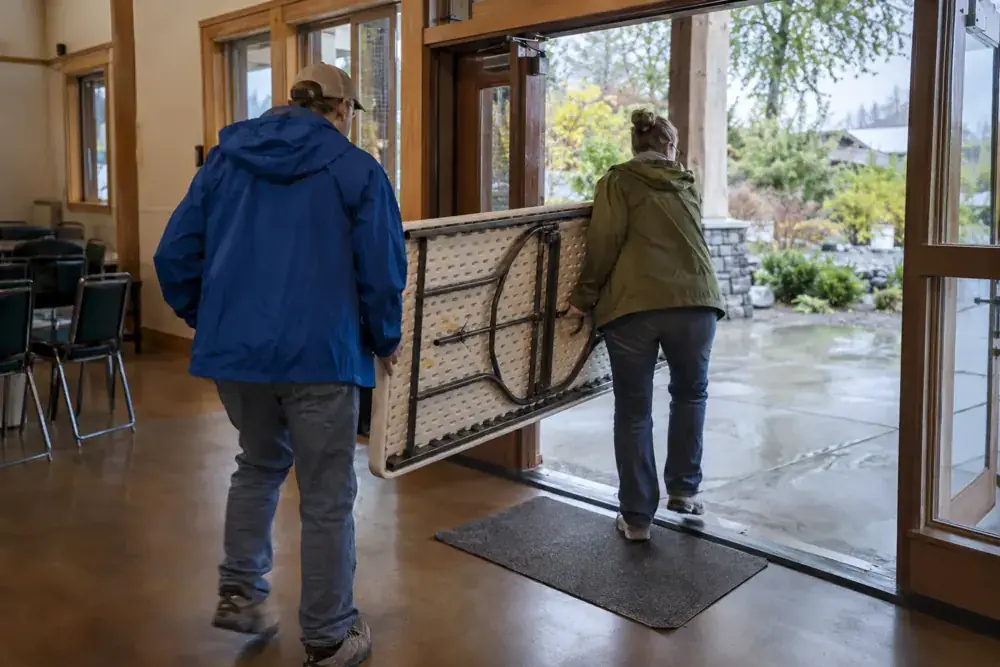
Make a checklist of essentials to move: the check-in table, food that requires temperature control, necessary seating, and key activity supplies. Then separate non-essential items, such as decorative pieces. If moving everything requires unreasonable effort, plan a lightweight setup from the very beginning. Do not turn your team into a sprint squad trying to rescue decor when conditions call for seeking shelter. People's safety always takes priority over decorations, photos, or gear; follow the venue’s emergency plan whenever applicable.
Read more: How to choose an event venue beyond the photos.
Designate who monitors and who decides
Assign one person to check official forecasts and weather warnings before and during the event, if needed. Do not give this role to someone whose attention is completely tied up with another task. Clearly define whom they report to and who delivers the final decision to the group. At a booked venue, coordinate with the venue manager: their operating policies may dictate when to postpone, suspend, or evacuate. The goal is not to turn someone into an amateur meteorologist, but to keep individual guests from guessing on their own whether they should stay or leave.
Establish practical check-in times: when confirming vendors, the day before, and right before setup begins, for example. Specific hours depend on your event and your cutoff deadlines. Do not treat an early morning clear forecast as a guarantee for the rest of the day. If conditions change, adjust the plan. For thunderstorms, the NWS guideline recommends waiting at least thirty minutes after the last clap of thunder before resuming outdoor activities; never use this guideline to override stricter local warnings.
Draft two messages before you need them
Draft one notice for a change of space and another for a postponement or cancellation. Each message should answer: what changed, what stays the same, where to go, what time, and when the next update will come if details are still being finalized. For example: “The gathering will be held in the indoor hall at the same venue. The schedule remains the same. Please use the side-street entrance; the garden gate will be closed.” Do not send a long, rambling paragraph that buries the key instructions.
Choose a primary communication channel and consider who might not see it in time. For guests already in transit, a direct text message or phone call can be far more helpful than a broad status update. Avoid posting private addresses or personal phone numbers in public channels just to resolve a rush. If a location changes, double-check the map link and directions before sharing them. A rushed update with a wrong address can create far more confusion than the change of plans itself.
Coordinate vendors and guest arrivals
Ask vendors in advance what happens with deliveries, setup, and deposits if you activate your backup plan. Certain decisions must be made before a vendor heads out or starts food prep. Keep these conditions in writing and never assume plans can be shifted at no extra charge. If there is a contractual cutoff deadline, add it to your planning calendar. Your group’s flexibility does not waive the business obligations of service providers. A thoughtful plan protects their time and safety as well.
Assess guest arrival: slippery walking surfaces, covered waiting spots, and the path from parking or transit. Describe the conditions as you know them without promising they will be seamless for everyone. If an attendee needs assistance, agree on a clear plan to welcome them. Do not improvise transporting guests or moving heavy equipment you have no experience handling. For belongings, prioritize a moving sequence and assign manageable tasks. A ready backup lets you move what is necessary before the start, rather than tearing down under pressure as guests arrive.
Read more: An event timeline that actually holds up on the big day.
Embrace a simpler version of the gathering
The best backup plan may involve simpler decorations, an alternate activity, or a shorter schedule. That does not make it a failure. Explain the change clearly and keep the focus on what truly gave meaning to the gathering: supporting someone, catching up, celebrating, or sharing a meal. Do not exhaust yourself trying to save every single outdoor element at all costs. When an activity is removed, create a smooth transition so guests know what comes next, rather than leaving them waiting around for instructions indefinitely.
After the event, jot down what worked and what fell short: actual shelter availability, advance notice times, items that were difficult to move, or guests who never got the message. Fine-tune your plan for next time. Keep practical notes without pointing fingers over the weather. Having a backup plan does not guarantee ideal weather; it does, however, empower you to make clearer decisions and shows respect for the time and comfort of everyone who accepted your invitation.
Test the announcement on someone unfamiliar with the plan
Before the event, show your draft contingency message to someone who had no part in the planning. Ask them where they would go, at what time, and what they would do if they were already on the road. If they need multiple points clarified, revise your wording. Add an entrance landmark or a contact person when appropriate, without cluttering the note with distracting internal logistics. This simple check catches ambiguous phrasing like “see you inside” when a venue has two different buildings. Keep the draft ready to adapt, but double-check details before hitting send: an advance draft can easily become outdated.
From reading to action
Prepare your contingency plan
Check off what you've already sorted out. This checklist is saved only in this browser, without sending data or creating an account. It is not an app feature.
0 of 8 tasks completed
Before finalizing your plan
Does an event tent protect against thunderstorms?
It should not be treated as a safe shelter against lightning. Follow official weather instructions and move into the designated enclosed shelter provided by your venue.
When should I notify guests of a change?
As soon as a decision is made that impacts their travel or preparations. If decisions are still pending, state clearly when the next update will follow.
Should I cancel if the forecast calls for rain?
There is no one-size-fits-all answer. Assess potential hazards, check local advisories, inspect your actual backup space, and review your terms with the venue and vendors.
Sources and helpful reading
Practical guide from the editorial team. Examples are for guidance; adapt decisions and requirements to your event.
- NWS: Lightning Safety: Reference on the hazards of remaining outdoors during thunderstorms.
- NWS: Outdoor Event Planning: Roles, shelter guidelines, and the 30-minute rule following the last thunderclap; always follow local alerts.