Support with care
How to host a comfortable, pressure-free baby shower
Prepare a comfortable, flexible baby shower: ask about their wishes, coordinate gifts without pressure, and pick optional activities. Includes a day-before checklist.

A baby shower can be a wonderful way to support an expectant parent, as long as the plan centers on their wishes and comfort. Not everyone wants games, opening gifts in public, or a long gathering. Some prefer a small breakfast; others, an afternoon with friends and family. Before choosing colors or activities, ask what kind of get-together would feel enjoyable and who should be making the decisions. This guide outlines a flexible celebration with clear information for guests and room to adapt the plan. The examples are organizational ideas, not medical advice or requirements for this stage of life.
Ask what kind of celebration is actually wanted
Talk directly with the guest or guests of honor. It helps to ask about duration, headcount, venue, and activities they would rather avoid. Don’t spring a surprise without knowing if it would be welcomed. Don’t assume they want to discuss personal details in front of everyone either. It is completely possible to host a warm gathering centered on togetherness without turning the pregnancy, the baby’s arrival, or family history into an open interrogation.
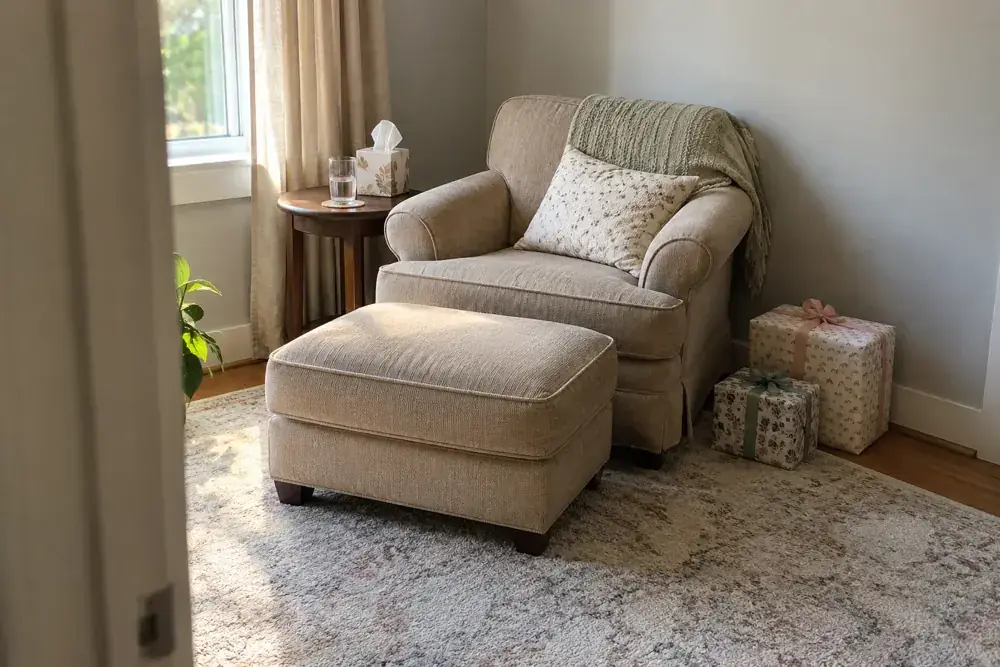
Choose a format that can be easily shortened or adapted. A two-hour afternoon gathering at the home of someone close might work much better than a celebration that requires long travel times and multiple outfit changes. That timeframe is an organizational suggestion, not a universal rule. Set aside a comfortable seat and a quiet spot where the guest of honor can rest without needing to give explanations. Clarify who will greet guests at the door so they don't have to remain standing.
Agree on who is hosting and who pays for each part
When several friends are organizing, good intentions can lead to duplicate purchases. One person buys decorations, another orders a cake, and a third assumes someone else is covering the food. Before spending any money, define a total budget and assign categories. Track confirmed contributions without displaying how much each person gave. If a financial contribution is voluntary, anyone should be able to decline without being excluded from the event or the conversations.
The host should also ask what the space can realistically accommodate. Cooking, offering your home, and cleaning up afterward are genuine labor contributions, even if they don't show up on a bank transfer. Distribute those tasks with assigned names and times. For example, one friend sets the table before noon, another welcomes the food delivery, and two people stay to clean up. The guest of honor should never end up washing dishes just because no one wanted to talk about cleanup ahead of time.
Read more: How to host a brunch at home with great flow and minimal cooking on the spot.
Create an invitation that minimizes questions
Include the full date, start time, approximate duration, address, and RSVP method. Explain whether the gathering is family-friendly, adults-only, or open to kids, based on the agreed plan. Don’t present a co-ed celebration as an exception that needs justifying: invite the people the family wants by their side. If there are stairs, limited parking, or any other relevant conditions, state them clearly and provide a contact for accessibility questions.
When it comes to gifts, transparency prevents awkwardness. If the family has a registry, it can be shared discreetly alongside a note making it clear that presence is what matters most. Don’t assume needs or set up a registry without asking. If the family prefers no gifts, communicate that decision without starting an alternative collection on your own initiative. Avoid sharing full names, home addresses, and other family details in open links or public groups.
Imagine the gathering has started and the guest of honor would prefer to wrap up early. Can they do so without leaving three pending activities that everyone is waiting for? That question helps design a thoughtful schedule. Put what truly matters first and leave the rest as optional. If you hired a vendor, agree in advance on who will oversee their departure and how supplies will be packed up. You can also have a scaled-down version of the plan ready: fewer guests, a different date, or a brief visit. Don’t frame that adjustment as a disappointment to the organizers. The effort put into planning makes sense when it supports the person’s needs—even when those needs look different from what you first imagined.
Choose activities with voluntary participation
A baby shower doesn’t require a whole catalog of games. A guided conversation, a guestbook with well wishes, or a station to write notes for the family to read later can be plenty. Offer short, optional activities. Activities that involve physical contact, ask for personal information, or make someone the butt of a joke require extra caution; the easiest choice is simply to leave them out. Just because something is traditional doesn't mean the guest of honor has to be comfortable with it.
If you plan to open gifts, confirm first that they feel comfortable doing so and consider how many gifts there are. Opening them one by one in front of a large group can take up a big part of the gathering and invite unintended comparisons. Another option is to send thank-you notes privately afterward. Never tie emotional value to the price of a gift. For a gathering where guests don't all know one another, introducing people through a shared relationship or common interest often breaks the ice better than a competitive game with winners and losers.
Take care of hospitality and practical needs
Ask about dietary preferences, and check with whoever is preparing the food regarding ingredients and food safety. Don't label any dish as safe for all pregnant individuals or offer clinical advice. Each person can decide what to consume according to their own guidance. Set out water and non-alcoholic options prominently. A menu that's easy to enjoy while seated allows conversations to flow without forcing guests to constantly get up or juggle multiple utensils at once.
Think about the atmosphere as well: music volume, temperature, restrooms, and walkways. A lovely table loses its appeal if it blocks an exit or leaves little room between chairs. Keep gifts in a spot where they won't get in the way, and have bags or boxes handy for transporting them later. If children are attending, coordinate with their parents on how they will be supervised during the event. Don't assume the guest of honor or the homeowner will watch everyone just because they are nearby.
Read more: How to organize a family gathering where every generation has a place.
Wrap up with practical help and consent
Signal the end of the event gently and stick to the agreed schedule if the guest of honor needs to rest. Appoint someone to collect gifts and check that no personal belongings get left behind. Tidy up the space without asking for instructions on every single glass, but do ask before moving personal belongings. If you offer help for the coming weeks, make it specific and easy to decline: bringing over an agreed-upon meal can be far more helpful than promising open-ended visits without a date or prior check-in.
Before sharing photos, ask permission from the people in them, especially the guest of honor's family. Don't post personal details out of excitement or make announcements that aren't yours to share. A brief thank-you note can wrap up the gathering without demanding immediate replies. After all, the heart of this get-together is support. If the guest of honor felt heard and didn't have to put on a performance to please the group, the event was already a success.
From reading to action
Review your plan before sending invites
Check off what you've already sorted out. This checklist is saved only in this browser, without sending data or creating an account. It is not an app feature.
0 of 7 tasks completed
Before finalizing your plan
Does a baby shower have to be a surprise?
No. Checking on the preferred format and availability usually makes for a much more comfortable celebration. You can always save a small detail as a surprise if you know it will be well received.
Do gifts have to be opened in front of everyone?
No. The family may prefer to open them later and say thank you privately. Confirm their preference before putting gift opening on the schedule.
What should I do if the person wants to end early?
Adapt the gathering without asking for public explanations. Keeping mandatory activities to a minimum and having designated helpers for cleanup makes it easy to wrap up whenever needed.
Sources and helpful reading
Practical guide from the editorial team. Examples are for guidance; adapt decisions and requirements to your event.
- Convite: official product information: Check features and terms for the app on its official website. The checklists on this blog are editorial resources.