
Invitations
Wedding guest thank-you wording: write what actually happened
To thank your wedding guests, start with the person and something that actually happened: their company, a specific contribution or a gift you received. Those situations call for different wording. Keep private details out of public messages and choose a simple note over a template that invents a shared memory.
Updated 2026-11-15
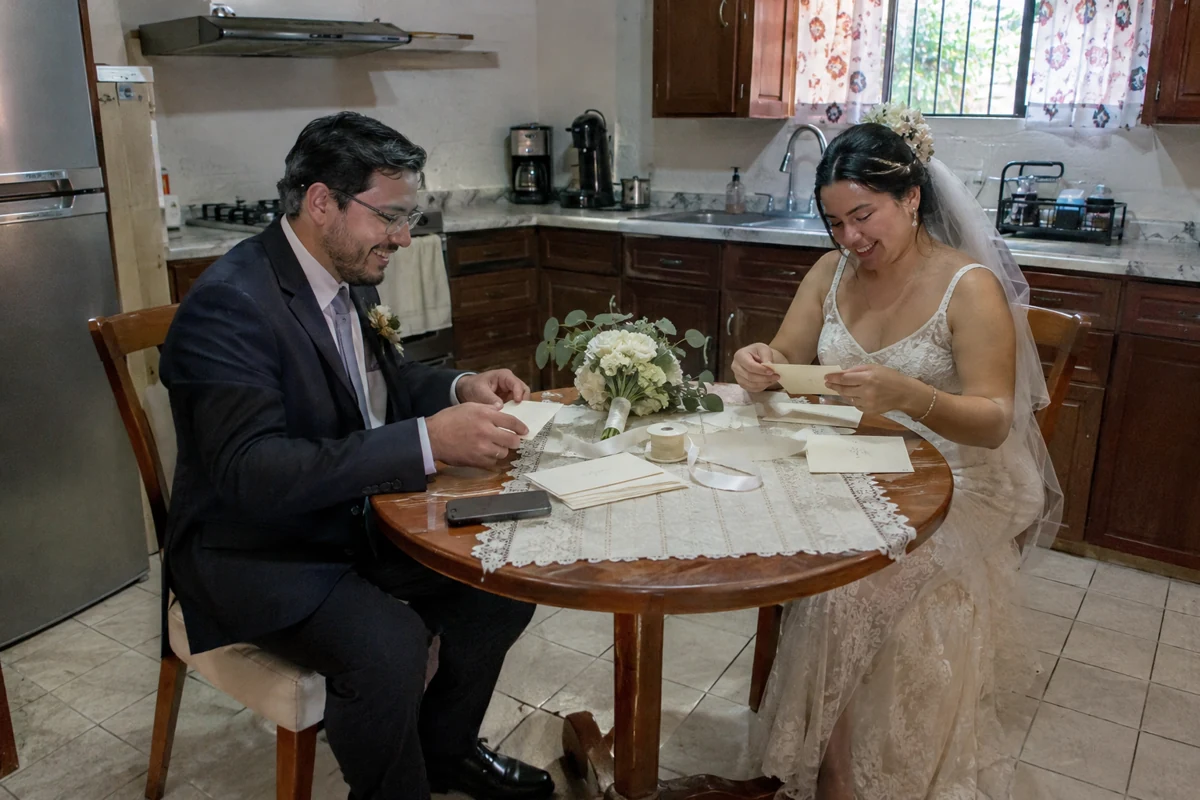
After the wedding, you may have photographs to share and people you want to thank, but each note does not need to recap the whole day. Decide who the message is for and what you want to acknowledge first. The examples here are fictional templates to adapt, not stories about real guests or a universal deadline. A personal note and a group post can complement each other, but they do different jobs. Before copying a warm phrase, check that the person attended or that the contribution you mention actually happened. One accurate detail can make a short message personal.
| Situation | Check | Avoid |
|---|---|---|
| Attendance | Actual attendance | Assumed gift |
| Gift | Item and recipient | Public amount |
| Help | Specific action | Invented story |
Separate attendance, help and gifts
Someone may have attended without bringing a gift, while another person sent a gift but could not come. Avoid making “thank you for coming and for your gift” an automatic sentence for everyone. Keep confirmed facts separate from anything you still need to check, without asking other guests for private information to fill the gaps.
A thank-you note is not a receipt or a rating of each person’s contribution. Keep any gift record separate and available only to the people who need it. A working list for notes should not become a public ranking.
A template for someone who attended
Fictional example: “[Name], thank you for joining us at our wedding. We loved sharing [real moment] with you and wanted to say how much we appreciated having you there.” Replace the placeholder with an actual memory or remove it. Do not invent a conversation just to make the note sound personal.
If the note speaks for both partners, review what it attributes to each of you. Choose wording that reflects what you both want to express. A joint signature does not require presenting every memory as an identical shared experience.
Read more: Wedding Gift Registry: How to Choose Without Imposing.
Choose what you want to acknowledge
Thank the person for attending only if they came. Add a real memory or keep the note simple.
Name the actual task. Acknowledge the time given without revealing a private difficulty.
Check the gift and who sent it before naming it. Do not compare amounts or assume attendance.
Compare your note with the confirmed fact
Use fictional examples. This tool compares text only; it cannot verify that a memory happened.
- Note
- Check
Final wording review
Reviews: 0 of 5.
Reviews: {n} of 5.Different wording for a specific contribution
Fictional example: “Thank you for helping with [actual task]. Your support made it possible for us to [effect you can confirm]. We appreciated the time you gave us.” Describe the action without exaggerating its result or revealing a private difficulty. You can thank someone whose contribution never appeared in the wedding photographs.
Name a gift only when you have correctly identified it. A general thank-you for the thoughtful gift can avoid a mistaken description while you check the details, but should not sound like a request for more. Do not compare gifts or amounts in the same note.
An invitation layout perspective
ItsTrixTV shows a separate digital invitation design workflow. The tutorial illustrates card layout; it does not decide who is invited or demonstrate an automatic Convite RSVP feature. Check the recipient and the fact you want to thank them for before adapting the layout.
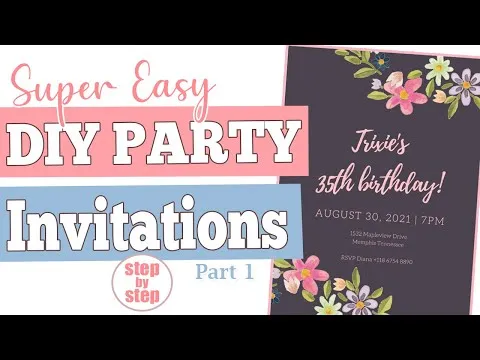
The YouTube player loads when you open the video. Watch on YouTube.
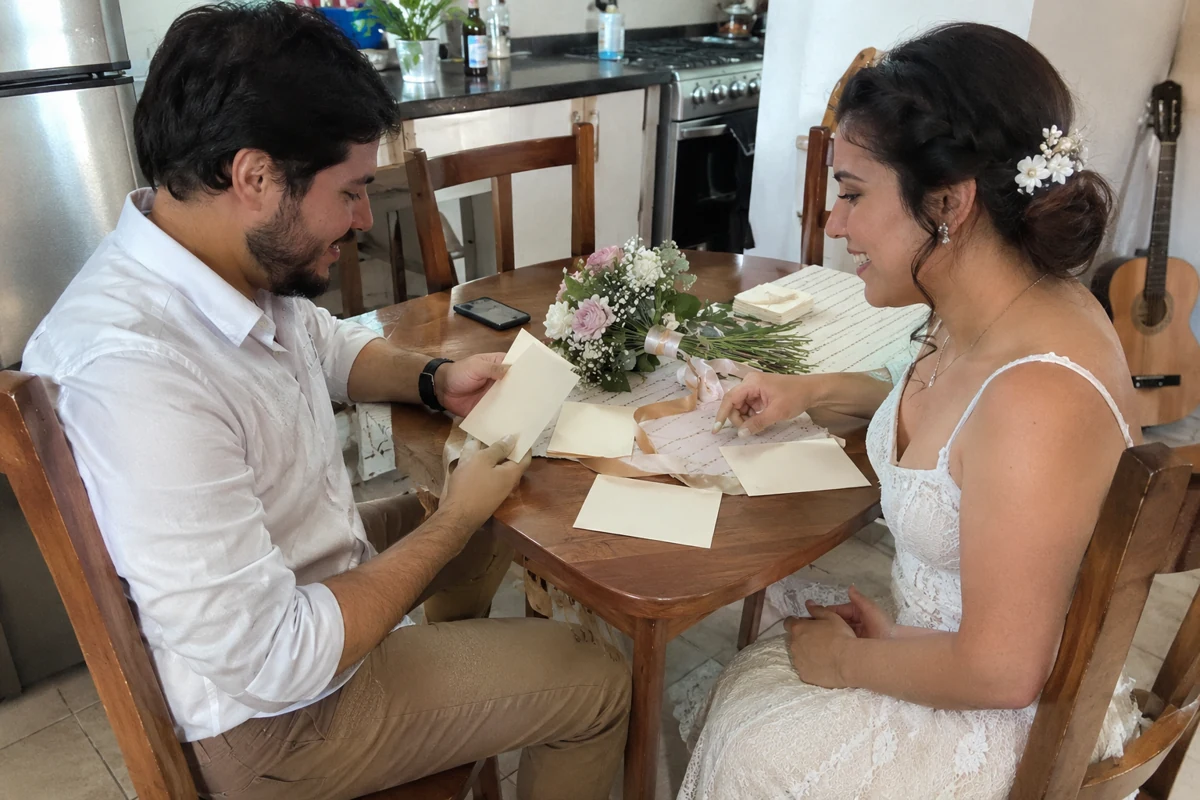
Personal note or group post?
A group post can thank people for their company without listing attendees or tagging everyone. Fictional example: “Thank you to everyone who shared the day with us and everyone who sent their love from afar.” That does not claim that every person attended or sent a gift.
Before including a photograph or anecdote, check whether it is appropriate to share with that audience. Receiving an invitation does not establish that someone wants to appear in a public post. Use a channel that keeps a personal reply out of the full group conversation.
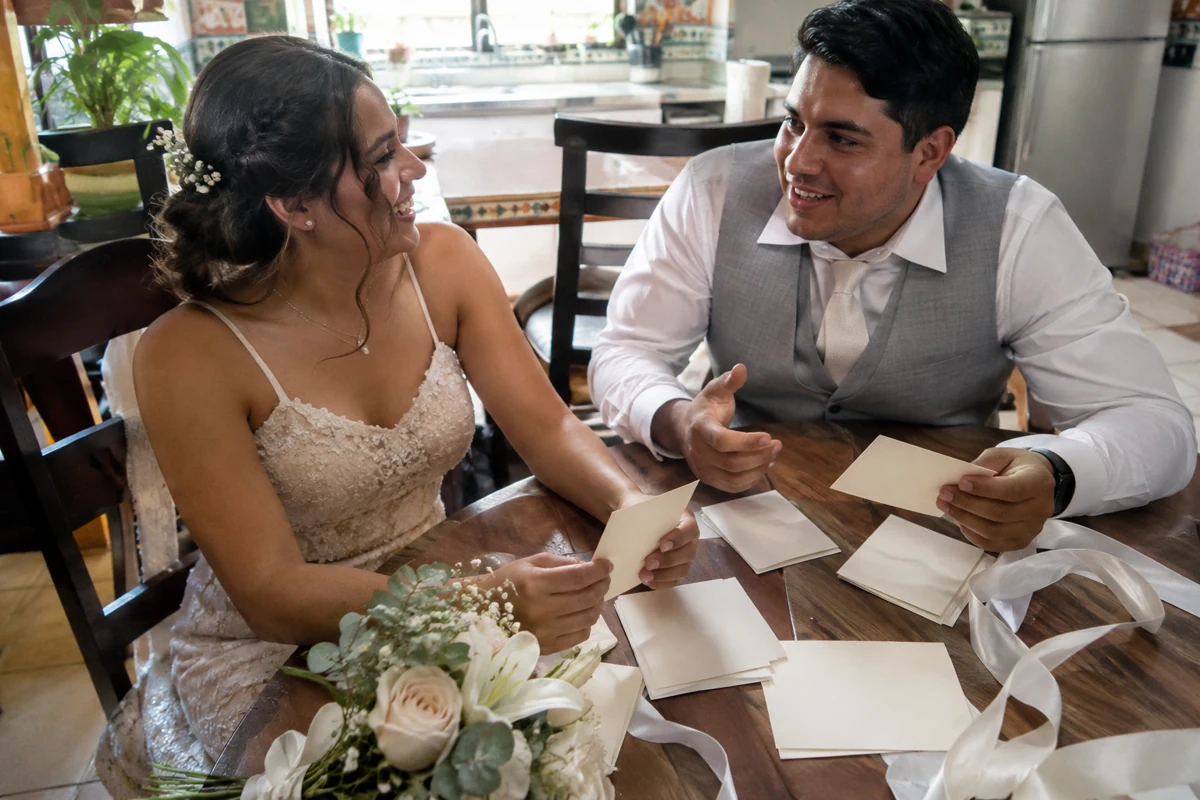
Organize notes without making them mechanical
A short list can separate “to write,” “reviewed” and “sent.” Check the recipient and channel before completing a line. Sending a note does not prove it was read, and a brief reaction does not necessarily require another reply. Organize the work around your availability rather than an invented universal deadline.
Keep the event review separate. A thank-you note does not need to include a survey, complaint or request for a public review. The event evaluation guide helps separate internal lessons from what you want to communicate to your guests.
Read more: How to Evaluate an Event and Keep Takeaways You'll Actually Use.
Review before sending
Read the name, what you are thanking the person for, the signature and any photograph reference together. The local comparison only flags wording differences; it does not verify attendance or receipt of a gift. Try the tools with fictional examples, then check the relevant facts before sending the real message.
The Convite home page explains its QR invitations and guest-list options; check the actual offering there. This guide does not add automatic thank-you delivery or read confirmations. Learn about the app from its home page and keep your own judgment about the wording and information you share.
Also read: How to Protect the Privacy of Your Guest List.
Before finalizing your plan
Must I mention a gift?
Only if you received one and want to acknowledge it; company can be thanked on its own.
Can I reuse a template?
Yes, after checking the recipient and actual facts.
Should I post the full guest list?
That is not necessary for a group thank-you.
Is there a universal deadline?
This guide sets none; organize the notes around your circumstances.
Does sending prove a note was read?
No. Those are separate facts.
Do the tools send the message?
No, they help review wording locally.