Celebrations with Character
How to plan a second wedding your own way
Plan a second wedding with your own choices, thoughtful conversations, and a coherent celebration. Ideas for guests, traditions, and logistics.

A second wedding does not need to justify its size, style, or the joy with which it is celebrated. It can be intimate or grand, simple or elaborate, and it neither has to repeat a previous experience nor deliberately do the opposite out of obligation. The starting point is the couple planning today, with their current relationships, priorities, and circumstances. This guide focuses on shaping a celebration that feels truly your own and handling conversations with care and respect. It does not prescribe traditions or address legal requirements, which should be reviewed separately. Planning improves when every choice reflects the gathering you genuinely want to experience, rather than outside expectations of what it ought to look like.
Start with what you want to celebrate now
Talk openly about the experience you want to share, without turning the planning process into an ongoing comparison. You can reflect on what you appreciated about other celebrations, but you do not need to replicate a template or prove that this occasion will be bigger or smaller. Write down concrete priorities: quality time with loved ones, a memorable meal, music, a meaningful venue, or a ceremony with your own vows. Then use those priorities to guide your decisions.
It also helps to discuss what you prefer not to take on out of obligation. Perhaps you want to skip impromptu toasts or prefer not to have a late-night party. Frame those boundaries as present-day choices, not as criticisms of past celebrations. When an idea causes discomfort, look for the underlying need: privacy, rest, closeness, or autonomy. That conversation often helps more than quickly settling on a visual style. The wedding should reflect both of you, leaving room for each partner to voice what matters most.
Build a guest list grounded in current relationships
Decide whom you want by your side for this moment and establish your invitation criteria together. Do not feel obligated to recreate a past guest list, nor should you exclude someone simply because they attended a previous event. Focus on your present relationships and the atmosphere you want to cultivate. If there are delicate dynamics between certain guests, talk through them early and privately, without using the guest list to send subtle hints or settle old conflicts.
Be clear about plus-ones and family units as well. Planning requires knowing how many guests are included, but it does not require overanalyzing personal relationships. If someone asks about a guest who was not invited, explain the event scope kindly and respectfully. Avoid public comparisons about closeness or loyalty. When a conversation involves one partner’s side in particular, agree on who will handle it and what information to share. A clear guest list protects the celebration, but meaningful relationships deserve more than an automated response.
Read more: How to Plan an Intimate Wedding with Character.
Include loved ones without imposing roles on them
If you would like family members or close friends to participate through a symbolic gesture, a reading, or walking down the aisle, invite them warmly while giving them full freedom to decline. Not everyone enjoys public speaking or taking on a spotlight role. Participation can be quiet and private. When children are involved, avoid placing them in positions where they carry adult emotional messages or feel pressured to show approval; talk with their parents or guardians and respect their comfort without putting personal family details on display.
Offer thoughtful alternatives: helping choose a song, sharing a photo privately, or simply attending as a guest. Never announce a role before the person has agreed to it. If someone is participating in an activity, explain clearly what will happen, how long it will take, and who will be alongside them. The goal is to share a meaningful moment, not to stage a flawless production. A well-considered celebration makes room for different ways of showing love and does not measure affection by how visible a role is.
Choose traditions for their meaning, not out of obligation
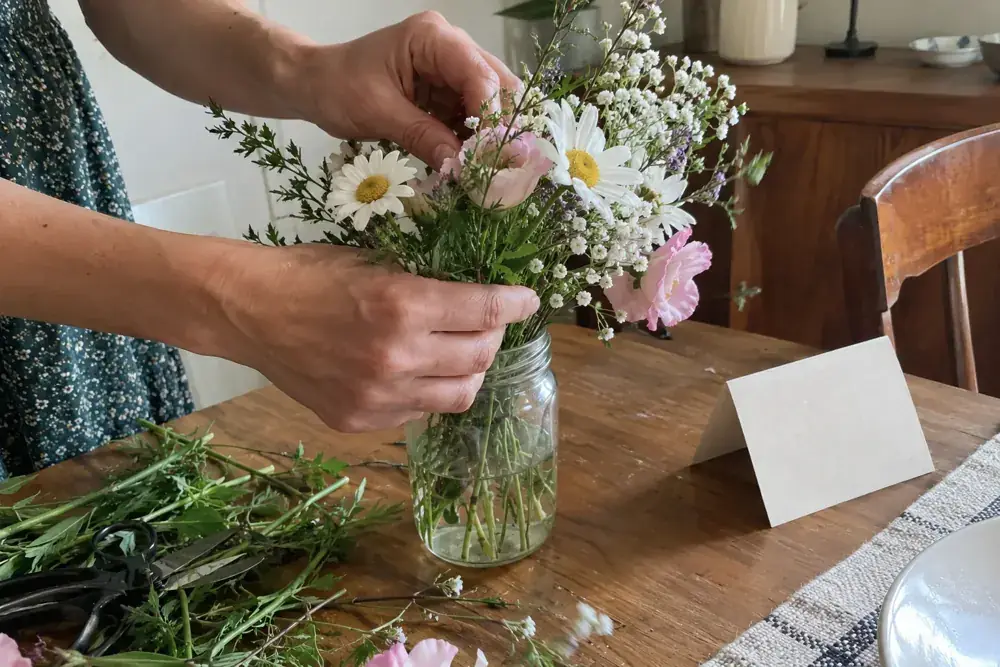
You are free to keep, adapt, or skip any ceremonial tradition that is not legally or formally required for your ceremony. Look at each element individually: the processional, toasts, first dance, attire, exchange of vows, and send-off. Ask yourselves what each means to you and how your guests will experience it. There is no need to adopt an entire package just because one idea often goes with another.
If you wish to introduce a custom unfamiliar to some guests, explain briefly how to participate. Avoid activities that put guests on the spot or pressure them to share personal stories. For toasts, align in advance with speakers on tone and boundaries, especially regarding references to the past. This is not about micromanaging every word, but about honoring the purpose of the gathering. A gentle note such as “we want to focus on this new chapter and what we share today” sets a clear direction without turning toasts into a rigid script.
Define your own format and budget
Select your event timeline, venue, and services based on your current priorities. There is no rule requiring a second wedding to be smaller, nor any need to spend more just to make it distinct. Establish the budget you want to dedicate and compare vendor proposals with identical scopes of work. Factor in setup, timing, transportation, and hands-on tasks that someone will need to manage. DIY details also take time and energy.
If loved ones offer to contribute financially or provide services, clarify up front which decisions remain entirely with the couple. Support can be welcomed without creating an obligation to expand the guest list or alter your format. Avoid vague arrangements that could lead to misunderstandings later. For every vendor service, confirm deliverables and terms directly with the provider. Planning runs much more smoothly when expectations are stated clearly, rather than leaving everyone trying to guess what strings might be attached to an offer.
Read more: How to Organize a Civil Wedding Celebration.
Write an invitation focused on the present
Your invitation wording can talk about celebrating a new chapter, honoring your marriage, or gathering with loved ones, in whatever voice feels natural to you. You do not need to explain past personal history in the invitation or frame the celebration as an exception. State the essential details clearly: date, time, location, scope of invitation, and RSVP instructions. If you choose to share a brief note about your journey, share only what you are both completely comfortable making public.
Convite can support your QR invitation delivery and check-in management based on the features you choose. Use the tool to streamline logistics without making a personal milestone feel impersonal. Keep RSVPs neatly organized and confirm plus-ones before finalizing check-in lists. If any detail changes, communicate the update directly. A well-written invitation helps guests know exactly what to expect without raising questions about matters outside the event planning.
Protect the atmosphere during the celebration
Designate a trusted friend or coordinator to handle sensitive questions or awkward remarks so the couple is not pulled into awkward exchanges. This person does not need to monitor the room; they simply need to know when to help redirect a conversation or resolve an issue. Decide ahead of time who will welcome vendors, direct guests, and manage wrap-up at the end of the night. Practical tasks should not fall squarely on the couple throughout the event.
Leave room to enjoy yourselves without constantly critiquing how every detail unfolds. If you have preferences about photos or social media sharing, let guests know and respect their privacy preferences in turn. When the celebration wraps up, thank your guests and helpers warmly without feeling pressured to offer extra justifications for the format you chose. A second wedding can have all the personality and heart you want to give it. The mark of thoughtful planning is that choices are shared, relationships are treated with care, and the day feels deeply meaningful to the couple living it.
From reading to action
Plan your celebration step by step
Check off what you've already sorted out. This checklist is saved only in this browser, without sending data or creating an account. It is not an app feature.
0 of 6 tasks completed
Before finalizing your plan
Does a second wedding have to be small?
No. The size and style are entirely up to the couple, tailored to their current priorities and resources.
Do you need to explain your relationship history on the invitation?
No. Share only what both of you feel comfortable sharing, and keep the event details clear.
Sources and helpful reading
Practical guide from the editorial team. Examples are for guidance; adapt decisions and requirements to your event.
- Convite: Product Information: The features described were verified against product documentation; planning methods are editorial recommendations.