Celebrations with Character
How to Organize a Civil Wedding Celebration
Organize your civil wedding celebration: schedules, guests, transportation, and food. A practical guide to connecting every moment of the day without guesswork.
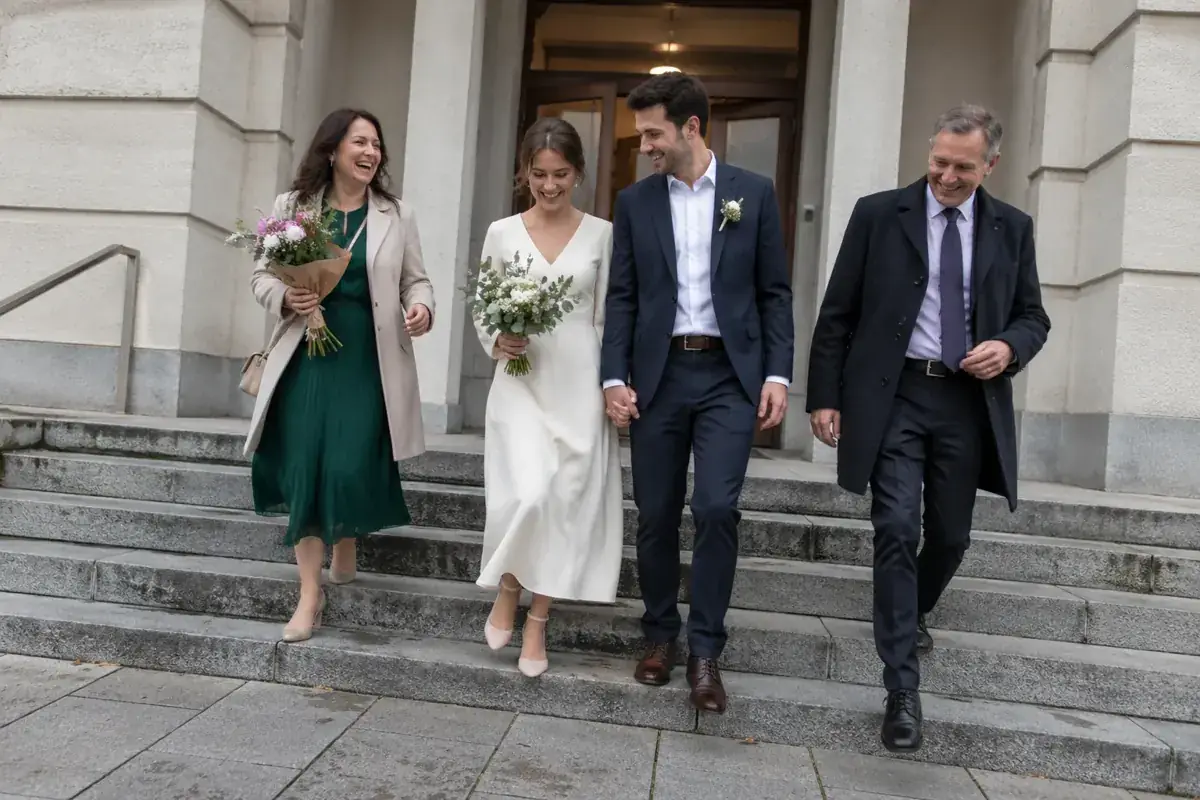
Organizing a civil wedding involves first confirming the legal paperwork with the civil registry office, and then planning the celebration: schedules, guests, transportation, and food. To plan it smoothly, it helps to separate two layers: the legal proceedings and its requirements, which you verify with the relevant authority, and the experience you will share with your guests. This guide addresses the second. It helps you coordinate schedules, transit, guest lists, and communication without assuming that every city operates the same way. Before booking vendors, confirm the actual details of your appointment or ceremony and build a timeline around them that leaves room to move, chat, and enjoy without relying on an overly tight schedule.
Work with confirmed ceremony details
Write down the date, time, location, and instructions received directly from the authority or official in charge. Do not infer requirements from someone else's wedding or from an online post from another country. If there are still pending questions, identify them before committing to a celebration that depends on them. This guide does not outline legal documents, deadlines, the required number of witnesses, or legal validity rules: those points require specific verification for your case.
When organizing the day, the important thing is knowing which parts of the schedule can be considered fixed and how much buffer time you need around them. Ask operational questions through the proper official channels and keep the answers for reference. If any details change, update the people who rely on them. Avoid sharing personal legal documents in guest group chats to explain the agenda. It is usually enough to communicate practical arrival details and each person's role.
What to confirm with the civil registry before sending invitations
Before sending invitations, confirm the following with your local civil registry office:
- Available dates and times for the ceremony.
- Required paperwork and procedures, and how far in advance they must be submitted.
- How many people can attend the ceremony and whether they need to be registered in advance.
Requirements vary by country, state, or municipality. This checklist is meant for asking the right questions, not for assuming any legal requirement is met. If you don't have a venue for the celebration yet, check out how to choose an event venue.
Who officiates the ceremony and what to ask
Who presides over the ceremony depends on the country and municipality, so do not take it for granted. Ask the relevant office:
- Who will officiate the ceremony and how to request them.
- Whether the ceremony can take place outside the office and what conditions apply.
- How long the ceremony lasts and whether there is a set program.
- Whether you can include readings or music, and in what format.
With those answers in hand, your guest list and reception timeline can be adjusted without promising anything the registry office has not yet confirmed.
Decide who participates in each moment
The group attending the ceremony might be different from the one attending the meal or after-party. If that is your format, communicate it clearly without sending invitations that make it look like everyone is invited to everything. Set up two linked working guest lists, or a single list with separate fields for each part of the day. A total headcount alone isn't enough to organize cars, tables, and schedules.
Do not assume that an invitation to the reception grants access to the ceremony venue. Check the actual capacity and rules before making promises. If you need to limit attendance at the ceremony, explain which part of the day you will share with each person. You can simply state that you will gather to celebrate after the ceremony at a designated time and place. Avoid creating public hierarchies among guest groups; the messaging should guide people through the specific experience, not compare how close anyone is to you.
Read more: Bachelorette Party: A Celebration That Honors Her Taste and the Group.
Build a schedule with realistic transitions
Between ending one activity and beginning the next, small tasks take time: saying goodbyes, gathering belongings, walking, finding rides, and arriving at the next venue. Factor these into your timeline. Never calculate travel time solely based on driving in ideal conditions. Do a realistic route check and consider how guests who are unfamiliar with the area will get around. If multiple departures rely on the same vehicle, review the sequence with extra care.
Share two timelines with your team: the arrival time guests see, and the operational schedule for those setting things up. There is no need to give everyone every behind-the-scenes detail, but you do need to prevent conflicting information. If lunch requires everyone to arrive together, specify the meeting point. If guests can arrive anytime within a window, make that clear. A planned buffer is usually much more helpful than rushing the couple or the guests all day long to make up lost minutes.
Choose a celebration suited to the schedule and the group
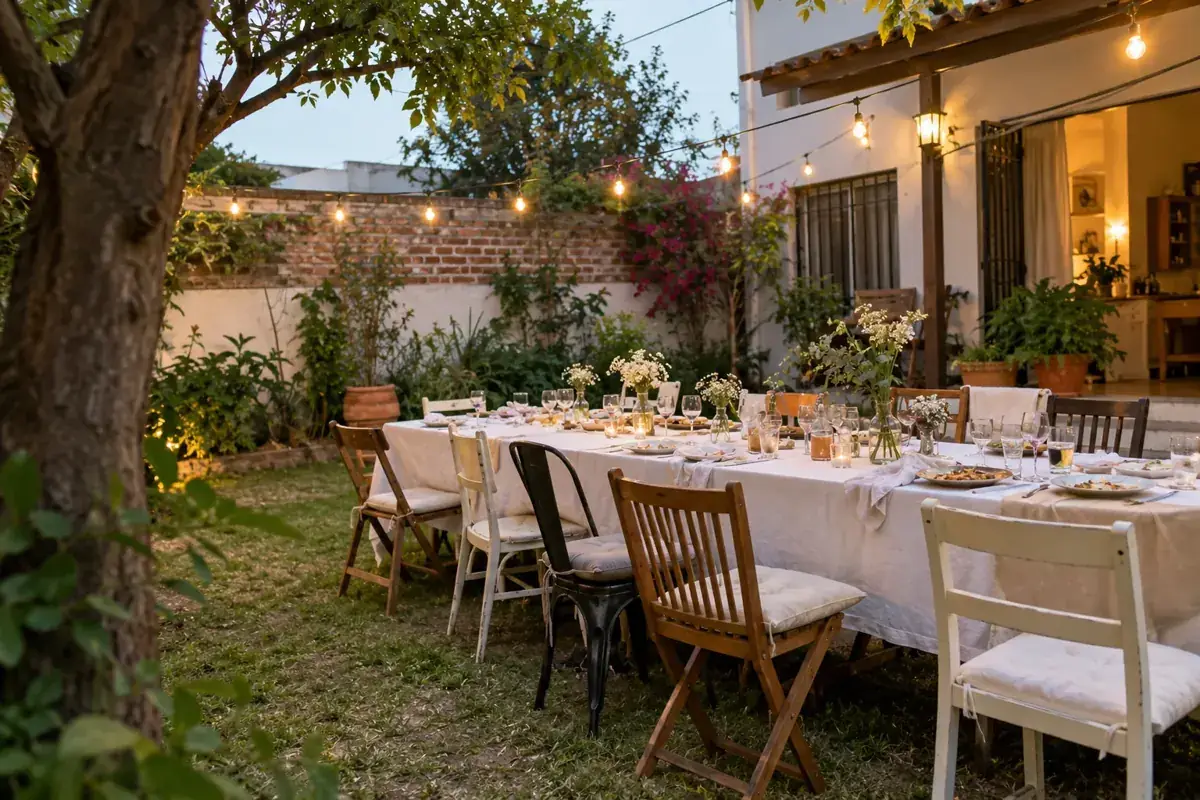
A post-ceremony lunch can be a simple, elegant solution if the venue can comfortably accommodate the group. A dinner allows for more breathing room between parts of the day, but it also requires deciding what out-of-town guests will do in the meantime. Compare options based on the complete experience, not just how the space looks in photos. Check seating, service style, noise levels, operating hours, and what setup is included.
If there will be a long gap, don't leave it as an awkward blank space that guests must figure out without guidance. You can clearly state that the events are independent and that you will reunite later. Don't promise lodging, transportation, or extra activities unless they are fully arranged. A short celebration can feel completely fulfilling when it has a warm welcome, a meal or toast, and a clear wrap-up. Duration does not define how meaningful the gathering is to the couple.
Coordinate transportation without making assumptions
Ask guests who might need extra assistance how they prefer to manage logistics, rather than deciding for them. Some may prefer to share rides; others might need their own schedules. If you are providing transportation, specify the pickup point, departure time, point of contact, and route. Writing "transportation provided" is not enough if it isn't clear where it departs from or whether it includes a return trip. Confirm vehicle capacity before inviting guests to use it.
For guests driving themselves, share a verified address and helpful directions or landmarks. Avoid promising that parking will be available if you don't control the lot. If the ceremony and reception take place at different locations, name both clearly so no one accidentally heads straight to the second venue. Having a designated logistics contact can take care of questions on the day of the event so the couple doesn't have to check their phones during every transition.
Read more: How to Plan an Intimate Wedding with Character.
Write invitations that clearly distinguish each moment
The wording should explain exactly what guests are being invited to. For example: "Following our civil ceremony, we would love to celebrate with you over lunch at 2:00 PM." If the guest is also attending the ceremony, include that schedule in a separate section. All example details should be replaced with the confirmed information for your event. Double-check that invitation images, emails, and shared messages all match, especially when multiple locations are involved.
Convite can be used to send invitations with QR codes and manage guest access to the reception, depending on your chosen workflow. Do not confuse reception access with legal permits or requirements for the civil ceremony; they are entirely separate matters. Keep your guest lists organized and make sure the right invitation goes to each event. Request RSVPs for the meal or reception with the exact party size included, rather than treating a general congratulatory note as an RSVP confirmation.
Prepare a wrap-up plan that leaves no loose ends
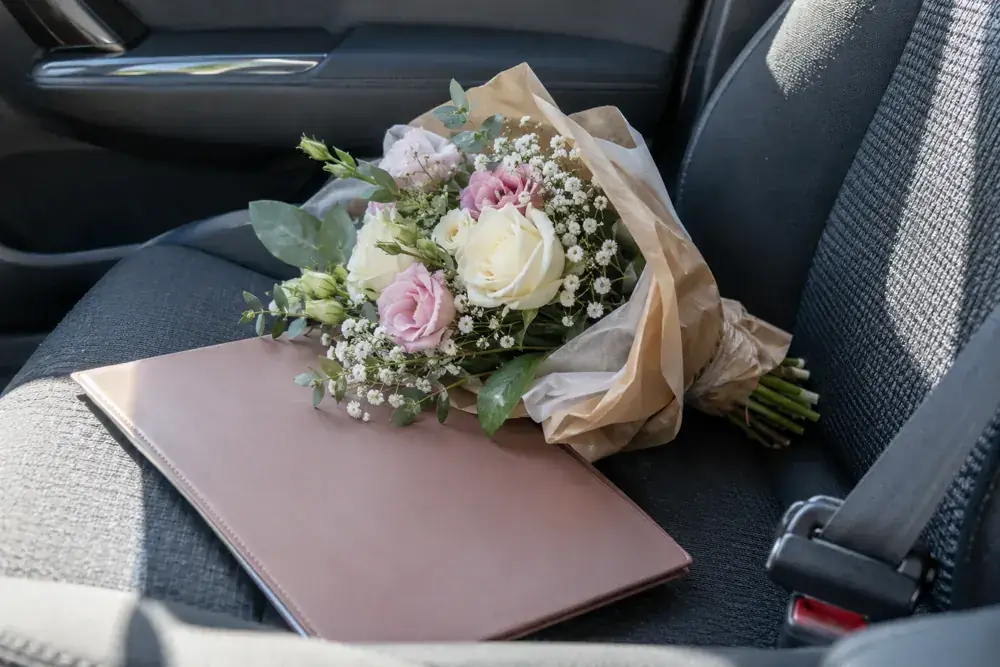
Designate who will meet vendors, handle arrival changes, and collect items at the end of the event. If you have flowers, decorations, or legal documents, decide where they will be kept and who will take them home. Don't leave everything to the couple's memory. A short checklist of responsibilities is usually enough as long as everyone knows what is expected and how to reach one another.
Also review departure plans, venue closing times, and any scheduled vendor pickups. After the celebration, thank those who helped and settle any remaining details with your contacts. If you want to share photos, ask for permission before posting pictures of other guests in public spaces. A well-organized civil wedding doesn't need to fit someone else's mold. By separating official requirements, logistics, and the celebration itself, you can design a day that reflects how you truly want to gather, built on confirmed facts.
From reading to action
Plan your celebration step by step
Check off what you've already sorted out. This checklist is saved only in this browser, without sending data or creating an account. It is not an app feature.
0 of 6 tasks completed
Before finalizing your plan
Does this guide cover the legal requirements for getting married?
No. It focuses on the celebration and logistics. Please consult the competent local authority regarding required documents, deadlines, and legal conditions for your specific case.
Do we have to invite the same group to everything?
Not necessarily, but each invitation should clearly state which events it includes and where that guest's participation begins.
How far in advance should we request a date at the civil registry?
It depends on the individual office and its calendar. Ask about availability before booking a venue, sending invitations, or hiring vendors that depend on that date.
What should we do if our ceremony date changes?
Update the date across all communications, notify everyone who already received an invitation, and verify that your venue, transportation, and vendors are still available. Clear, direct messaging prevents conflicting rumors. For wording tips, check out how to reschedule an event without causing confusion.
Sources and helpful reading
Practical guide from the editorial team. Examples are for guidance; adapt decisions and requirements to your event.
- Convite: Product Information: The features described were verified against product documentation; planning methods are editorial recommendations.