Guides for hosts
Event Music: Build a Playlist That Fits Every Moment
Organize your event's music by moments, test the equipment, and mind conversation, volume, and transitions without relying on randomly chosen tracks.

Music can give continuity to a gathering, mark a transition, or get people dancing. It can also drown out conversation, disrupt a welcome, or demand technical attention when no one is available. A good music selection starts with the type of gathering and the people attending, not by piling up favorite songs. This guide suggests organizing blocks, testing equipment, and agreeing on who makes decisions during the event. It does not include supposedly universal playlists or promise that a song will work with any crowd. The goal is to build a flexible atmosphere that supports the celebration and also welcomes those who prefer to chat or take a break.
Define what role the music will play
Outline the phases of the event: arrival, meal, main activity, dancing, and wrap-up, as applicable. For each one, write down what the music should facilitate. During arrivals, it can provide background ambiance without demanding attention; during an announcement, it is best paused or lowered; for dancing, it can take center stage. That clear intent helps you choose music and recognize when a track—even one you love—does not fit what is happening in the room.
Think about the group without reducing them to a generational or cultural caricature. You can ask for a few suggestions and look for common threads, but you do not need to include every single one. A shared selection is not a contest to represent every person with a song. Aim for cohesive variety, and avoid lyrics or themes that clash with the stated tone of the event. If there are sensitive moments, such as tributes or speeches, check with those involved before choosing a piece that might hold personal meaning you are unaware of.
Build blocks instead of an endless playlist
Prepare separate blocks for moments with distinct needs. That way you can shift the mood without scrolling through hundreds of titles. Each block can run longer than scheduled to accommodate slight schedule changes, but you do not need a massive library. Set up a comfortable start and a few intentional transitions. Listen to songs in full, not just the first few seconds: a calm intro can lead into an abrupt shift in volume or content.
If you plan to use shuffle, understand the control you give up. For an informal post-meal chat, it can work fine; for a coordinated entrance or wrap-up, a clear sequence is much better. Flag songs that require a specific action and note who will trigger them. Do not rely on someone remembering an exact minute while juggling other tasks. For an important moment, rehearse with the actual audio file or streaming service, and have a simple backup ready if playback fails.
Read more: How to make an event more accessible starting from the invitation.
Test the sound where it will be heard
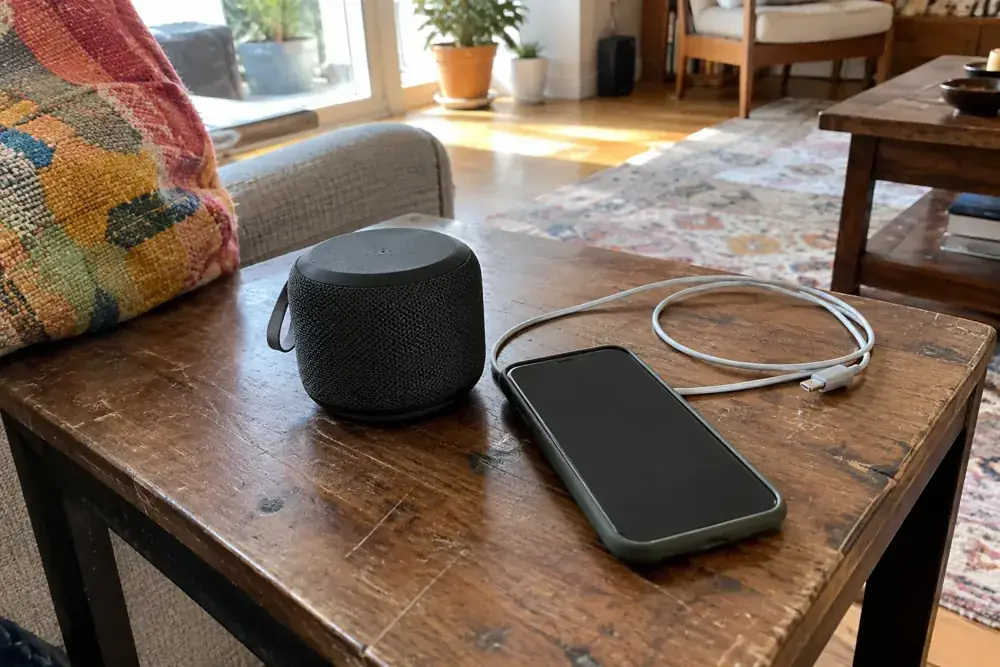
Check equipment, audio source, cables, power, and placement before guests arrive. A quick test from a phone does not show how it will sound across the entire room. Walk through the dining area, the entrance, and the farthest corners. Confirm that guests can talk where conversation is intended and that a speaker is not pointed directly at a nearby seat. Avoid makeshift setups or overloading circuits; consult the venue manager or qualified personnel if you require a special installation.
Verify that playback will not be interrupted by phone calls, notifications, or an unstable internet connection. Use only access and playback modes permitted by the streaming service and venue agreements. Terms of use and applicable licenses can vary depending on the context; do not assume that a personal subscription covers every event. For a gathering with an audio vendor or DJ, clarify what each party handles and what they need from the host.
Mind the volume and offer quiet conversation areas
Volume should fit the space and the moment, not an assumption that a celebration has to be loud. The WHO has published a global standard for safe listening at venues and events that addresses sound control, monitoring, and other safeguards. That does not turn an isolated decibel reading into a guarantee for a specific gathering. If the event requires significant sound amplification, work with trained technicians and follow the venue's instructions and local regulations.
For a small gathering, a helpful approach is keeping a designated area where guests can talk without competing with the music, and allowing for pauses. If someone expresses discomfort, address it without making light of it or asking for a medical explanation. Avoid treating simply moving away from the speaker as the only solution. You can adjust the volume, reposition the speakers, or tweak the playlist. One person's experience in a single corner of the room does not represent everyone's, which is why it helps to monitor the atmosphere throughout the event rather than just at the start.
Assign one point person and rules for requests
Choose who controls the music and agree on what changes they can make. If everyone plugs in their own phone, the playlist can quickly turn into a series of abrupt cuts. Having a designated point person makes it easy to take suggestions without disrupting every moment. They do not need to act like a rigid gatekeeper: they can add songs when appropriate, explain that another block is coming up, or pause the music for an announcement. What matters is having shared criteria so the host does not have to rule on every single request.
If you hire a DJ, provide actionable details: event type, key moments, preferences, must-play tracks, and any content you want to avoid. Describe your intent rather than dictating every single minute if you expect them to read the room and adapt. Clarify who is authorized to approve major changes and how announcements will be coordinated. It is also wise to agree on set duration, breaks, setup, and teardown. The creative side works best when logistics are not being figured out during the first song.
Read more: An event timeline that actually holds up on the big day.
Design a wind-down that supports departure
The wind-down can feature a gradual shift in energy alongside a clear notice of the ending time. Do not rely on music as the sole signal that the event has ended: some guests may miss the cue or be unable to hear it. Coordinate the wrap-up with transportation, food service pack-down, and venue curfew conditions. If there will be a final song or closing remarks, plan the transition so it does not compete with simultaneous conversations or announcements.
Afterward, review which blocks supported the mood well and which needed adjustments. Do not measure success solely by how many people danced: perhaps the goal of one part of the gathering was simply conversation. Save your playlists along with a brief note of context, without turning individual preferences into unnecessary personal data profiles. For your next event, reuse the structure rather than blindly copying the entire tracklist. The most effective music is what lets the event feel authentic and seamless, without forcing everyone to experience it the exact same way.
Test the transition, not just the sound
Rehearse how you will transition from background music to an announcement and then on to the next activity. Check who has control and what cue they will receive. If two people assume the other will lower the volume, a speech might begin in competition with the track. Agree on a simple cue and test bringing the music back up smoothly to avoid an abrupt jump. You do not need to choreograph the entire gathering; simply preparing the few moments where a transition matters is enough. That way, the team can enjoy the rest of the time without being tied to a detailed script that nobody intends to follow.
From reading to action
Test music and transitions
Check off what you've already sorted out. This checklist is saved only in this browser, without sending data or creating an account. It is not an app feature.
0 of 8 tasks completed
Before finalizing your plan
How many songs do I need?
It depends on the duration and key moments. Prepare blocks with a little extra cushion, and prioritize a curated selection over a massive playlist.
Can I use any music streaming account?
Check the service terms and venue requirements for your context. A personal account should not be assumed valid for any setting.
What do I do if tastes vary widely?
Combine cohesive blocks, welcome requests, and preserve areas for conversation. Not every song needs to please everyone.
Sources and helpful reading
Practical guide from the editorial team. Examples are for guidance; adapt decisions and requirements to your event.
- WHO: global standard for safe listening at venues and events: Reference on managing sound levels; an isolated decibel reading is not presented as a safety guarantee.