Learning by Doing
How to Run an In-Person Workshop That Leaves Lasting Value
Organize an in-person workshop with a clear outcome, hands-on practice, and ready-to-use materials. Review capacity, instructions, and wrap-up to support hands-on practice.
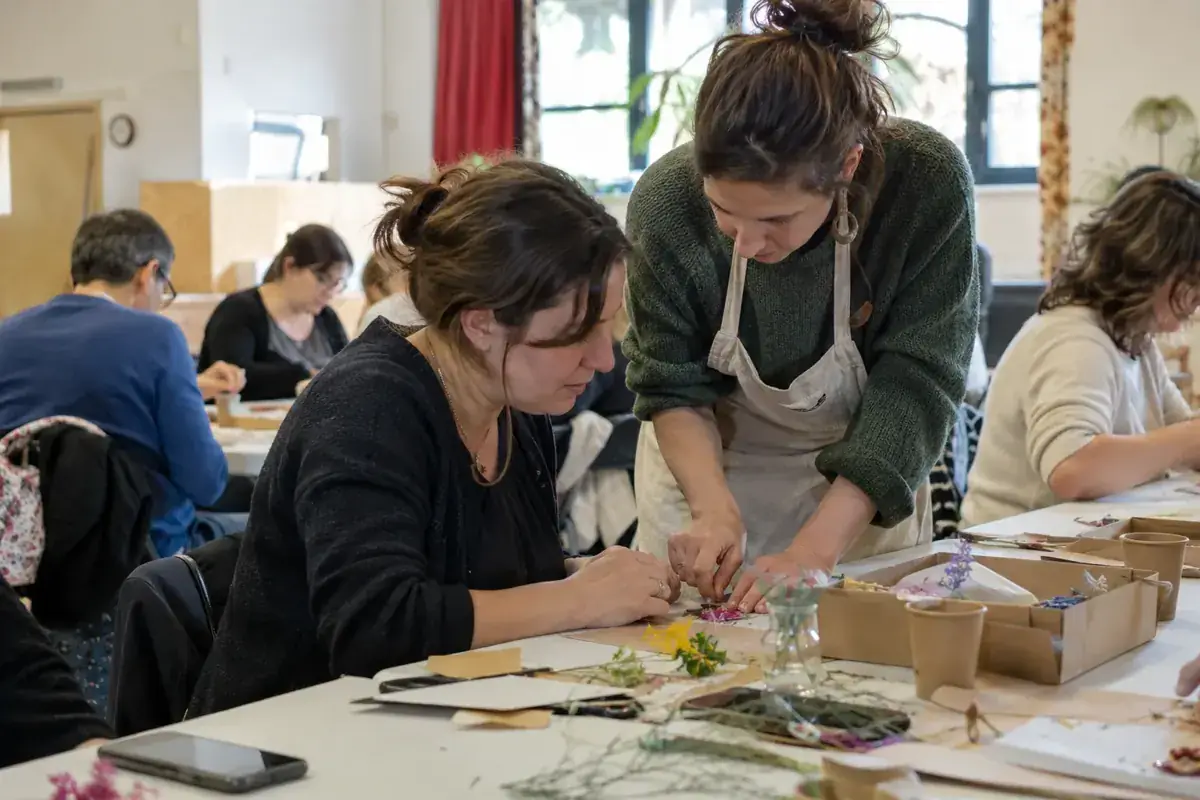
An in-person workshop requires more than a knowledgeable instructor and an audience ready to listen. Its true value lies in participants being able to build, try, or understand something concrete during the session. To design one effectively, start with the outcome, then determine the duration, materials, and space. This guide is written for anyone planning small hands-on learning workshops, such as writing, cooking, creative arts, or professional skills. It does not replace technical or safety protocols for activities requiring specialized supervision. It offers a structured approach to turn an idea into an engaging session with clear instructions, dedicated practice time, and a takeaway that encourages continued learning.
Define an outcome that fits in a single session
“Learn photography” is too broad for a short workshop. “Practice three ways to light an object using window light” lets you select targeted exercises and supplies. Clearly define what participants will be able to do by the end and what will not be covered. That clarity helps set realistic expectations without overpromising professional mastery. If the workshop requires prior knowledge, state that before people sign up. Also clarify whether attendees need to bring their own equipment and what options exist for those who do not have it.
Class size depends on the type of hands-on work and the level of guidance required. A workshop where each attendee needs one-on-one feedback cannot be structured like a lecture or demonstration. Estimate how much time the facilitator can spend with each person or group, and plan for assistants when necessary. Do not add seats just because more chairs fit in the room. Pedagogical capacity and room capacity are two different limits; both must allow the workshop to deliver on its promise.
Design a flow with hands-on practice early on
Structure the session into a welcome, a brief demonstration, hands-on practice, and a wrap-up. The opening explanation should give attendees just enough foundation to get started, without overwhelming them with theory. You can introduce deeper concepts as they work. If an activity involves multiple steps, test how long it takes someone who has never done it before. An expert’s pace is usually a poor benchmark for calculating how long a beginner will take.
Prepare a core version of the exercise and an optional extension. Anyone who works quickly can go deeper without forcing the rest to rush. Anyone who needs more time can complete the basic goal without feeling like they failed. Avoid packing every minute with content; questions, material swaps, and minor hiccups also need breathing room. A schedule that only works if nobody makes a mistake is not designed for learning.
Read more: How to Host a Community Gathering That Welcomes Newcomers.
Review materials from a participant’s perspective
Make one list per person and another for shared resources. Check what gets consumed, what is loaned, and what must be returned. If specialized tools, food, or equipment are involved, follow supplier guidelines and relevant requirements; do not improvise safety procedures. Explain any significant constraints beforehand so the person can decide whether to attend. Do not describe an activity as suitable for everyone without considering its actual conditions.
Test the materials ahead of time, including the small details: batteries, cables, scissors, paper, markers, or containers. Assemble kits when they help get started without lines. Have a system for handing things out and collecting them so the facilitator doesn't spend half the session searching for supplies. If people are working in teams, define how many will share each resource and prevent one person from monopolizing the practice while the others just watch.
Before opening registration, test a portion of the workshop with someone unfamiliar with your method. Notice which words require explanation, how long it takes them to get started, and what material they search for but can't find. Ask them to describe the outcome in their own words. That quick test can reveal a gap between what you think you are teaching and what the person understands they will be doing. Adjust the invitation and the exercise based on that evidence. You don't need to prove the entire program is flawless: you need to uncover confusing points before they impact an entire group. If you change a significant requirement after announcing the workshop, communicate it directly and offer options that match the agreed-upon terms.

Communicate the experience honestly
The invitation should include the topic, expected outcome, duration, location, requirements, and what is included. If there is a fee, state the total cost and applicable terms before the person confirms. Do not use an ambitious title for introductory content or promise certifications that do not exist. If a certificate of completion is provided, describe exactly what it represents. A brief workshop can be valuable without being marketed as professional accreditation.
Clarify how to RSVP and what happens if someone arrives late. If an opening explanation is essential to handling materials properly, establish a way to catch up or a well-reasoned cutoff time. Provide a point of contact for accessibility questions and specific needs. Do not force anyone to post personal details in a large group to arrange an accommodation. Share arrival directions that allow people to find the room without relying on a last-minute phone call.
Facilitate without putting mistakes on display
At the start, explain the objective and how to ask for help. Demonstrate each step so the entire group can see and hear it. If you use a screen, do not rely entirely on small text to convey information. The W3C accessibility guidelines recommend considering attendees' needs when planning meetings and presentations; use them as a starting point and verify the specific conditions of your venue and materials.
During hands-on practice, watch where recurring questions pop up. It may be a sign that an instruction needs adjusting, not that the group wasn't paying attention. Clarify with examples and let them try again. Do not use someone's work as a public demonstration of a mistake without their permission. If someone chooses not to share their result, offer another way to participate. The workshop should foster learning without demanding unannounced personal exposure.
Read more: How to Organize an Office Social That Welcomes Participation.
Close with a clear demonstration of what was learned
Set aside time for each person to review what they accomplished and what they need to practice. This could be comparing two attempts, giving a brief explanation, or reviewing a finished piece, depending on the objective. Do not turn this wrap-up into a formal evaluation if one wasn't planned. Offer concrete guidance on how to continue: repeating the exercise with a different variable or consulting a related primary source. A massive list of resources is usually less helpful than two well-chosen references.
Afterward, collect materials and ask for feedback on clarity, pacing, and the space's conditions. Do not confuse enjoyment with learning: having a good time is great, but it doesn't prove on its own that the objective was met. Review your observations and refine the next edition. If you promised to send materials, share only what you are authorized to provide and through the agreed-upon channel. A well-organized workshop leaves attendees with practical experience and a clear sense of the next step.
From reading to action
Review your plan before sending invites
Check off what you've already sorted out. This checklist is saved only in this browser, without sending data or creating an account. It is not an app feature.
0 of 7 tasks completed
Before finalizing your plan
How many people can attend a workshop?
It depends on both the space and the level of hands-on guidance needed. Do not add spots if doing so prevents you from offering the promised practice or feedback.
How do I estimate the duration of an exercise?
Test it with someone unfamiliar with the procedure and build in extra time for questions, materials, and troubleshooting. Your speed as an expert does not reflect the group's pace.
Do I need to issue a certificate of completion?
No. If you choose to offer one, state exactly what it verifies and avoid presenting it as a professional certification without legitimate backing.
Sources and helpful reading
Practical guide from the editorial team. Examples are for guidance; adapt decisions and requirements to your event.
- Convite: official product information: Check features and terms for the app on its official website. The checklists on this blog are editorial resources.
- W3C WAI: Accessible Events Planning: Supplemental primary resource on accessibility; the examples and practical decisions in this guide are editorial suggestions.