Invitations
Adults-only invitation wording: make the scope clear
Say the celebration is for adults, identify the invited people and specify which parts of the event are included. Do not expect “two seats” to explain the policy by itself. Handle questions privately and accept that someone may decline; an exception request is not an RSVP.
Updated 2026-11-12

This guide helps you state an invitation boundary without deciding how another household should organize itself. Examples are fictional and should match what the hosts actually agreed. Do not invent a venue restriction or promise childcare to soften the message. Clear information lets each person make a decision based on their circumstances.
| Record | Useful reading | Do not infer |
|---|---|---|
| Update read | Information received | Attendance or exception approved |
| Additional person requested | Pending question | An added seat |
| Agreement confirmed | Update the specific scope | A rule for the whole list |
What should you decide before sending?
Agree with the other hosts whether the policy applies to the ceremony, reception or both. Decide how you will answer questions about teenagers, babies and ceremony participants. This guide does not set a universal age for every event. State the criterion you actually chose without presenting it as a legal requirement.
Check that the list, message and team response agree. A list saying “whole family” contradicts an adults-only card. Correct the source before sending; do not depend on the recipient to infer what you meant. Review the actual copy you plan to share, rather than only the file name.
What wording can you use?
Fictional direct wording: “We would love to celebrate with you. The reception will be for adults only. This invitation is for [invited people]. Please contact us privately with any questions.” Replace the fields before using it. The sentence does not assume the recipient has a free evening or can arrange help.
You can be warm without joking about leaving children at home. You also do not need to attribute the decision to the budget. If you give a reason, make it accurate and relevant. Courteous wording cannot guarantee that nobody will feel disappointed.
Read more: How to Manage Invitations with Plus-Ones.
Review the scope before replying
Agree on people and schedule scope before sending. Do not promise childcare or venue rules without checking.
Check that the list and message agree. A read notice does not confirm attendance.
Keep the question pending until an explicit answer. Do not add seats automatically.
Compare two scope statements
Use fictional examples. Matching does not prove sending, attendance or approval.
- Invitation
- List
Final wording review
Reviews: 0 of 5.
Reviews: {n} of 5.Do two seats mean two adults?
Not necessarily. Quantity and invited people are different pieces of information. “Two seats” might be read as one adult and one child, or permission to bring any companion. Identify the invited people and explain an unnamed companion where relevant. A total understood only by the hosts does not replace that information.
Review the channel used for replies too. If someone asks to bring another person, keep that question pending. Do not add a seat or mark attendance until the invitation scope and the actual reply have both been clarified.
An invitation layout perspective
ItsTrixTV shows a separate digital invitation design workflow. The tutorial illustrates card layout; it does not decide who is invited or demonstrate an automatic Convite RSVP feature. Review who is included and what remains undecided before adapting the design.
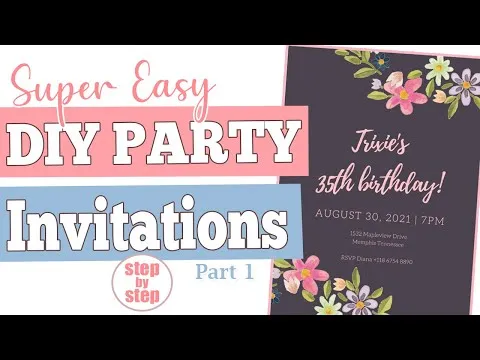
The YouTube player loads when you open the video. Watch on YouTube.

How should you handle an exception request?
Listen privately without requesting family details you do not need. If another host must be consulted, say that the answer is pending. Fictional wording: “Thank you for asking. I will check what we agreed before confirming anything.” That sentence grants no exception and should not be recorded as an acceptance.
If an exception is agreed, clarify which invitation and which parts of the event it covers. Give reception only the information needed to honor that agreement. Do not publish family circumstances or turn an individual agreement into a promise for every guest.

What if someone cannot attend?
Accept the reply without making it a negotiation about affection. “We understand; thank you for letting us know” can be enough. Do not mark a whole household absent when only one person has replied. Keep confirmed attendance, declines and pending answers separate in your working record.
If the time or venue later changes, communicate those facts separately. An acknowledgment is neither a new RSVP nor agreement to the policy. Someone can have read the update while still being unsure whether they can attend.
Read more: How to ask for RSVPs without feeling awkward.

What should you check before finalizing?
Read the recipient names, adults-only wording and schedule scope together. Ask another host to identify contradictions. Keep unresolved questions visible to the people handling them without copying full conversations or private details into a shared document.
Convite offers QR invitations and a guest list within its actual features. Decisions about invited people and the conversations remain yours. This page’s aids stay local: they send no notices, assign no ages and do not offer or book childcare.
Also read: How to welcome guests without creating lines or leaving anyone lost.
Before finalizing your plan
Must I give a reason?
No. If you give one, it should be accurate and relevant.
Are two seats enough?
They do not define the invited people by themselves.
Does a question confirm attendance?
No. Separate the question, decision and reply.
Should I publish exceptions?
Do not publish private circumstances; clarify the agreement with those involved.
Does this guide set a universal age?
No. Explain the criterion actually chosen.
Do the aids send messages?
No. They only help with review inside the browser.
Sources and helpful reading
Practical guide from the editorial team. Examples are for guidance; adapt decisions and requirements to your event.
- Clear instructions: Reference on understandable instructions; no age policy.