Invitations
Joint birthday invitation: two people, one clear party
A joint birthday invitation names both people and makes one shared party clear. Give one date, one place and one way to reply. Count each guest once, even when both hosts know them, and say who is invited without creating an expectation of two gifts.
Updated 2026-10-29

Sharing a party does not mean merging every preference. Before designing the invitation, agree on the parts that are shared: timing, venue, food and replies. Different ages or friendship groups may call for different activities, but guests should not have to guess whether they have received one invitation or two. The examples here are editorial models to adapt, not descriptions of a real event. Use them to settle the practical details with the other host before choosing a design or sending anything.
What belongs in the opening line?
Name both people and describe a shared celebration. Ages are optional; if you include them, pair each age with the correct name. A full date of birth is unnecessary for explaining a party. The event date may differ from either birthday, so the invitation should emphasize when guests are actually expected to arrive.
Original model: “[Person A] and [Person B] are celebrating their birthdays together. Join us on [written date], from [start] to [finish], at [venue]. Please reply to [agreed contact] with the names attending.” Review every bracketed field. An undecided detail does not become confirmed simply because it appears in a finished design.
Can both guest groups receive the same invitation?
One invitation works when the same details apply to everyone receiving it. If a guest knows only one birthday person, add a short explanation of the shared party. You do not need to imply an existing friendship. The aim is to prevent the second celebration from being an unexplained surprise on arrival.
If timing or the people included differ between groups, prepare separate versions while keeping shared facts consistent. Make the joint celebration clear in each one and review the recipient before sending. Renaming a file does not fix an incorrect time or an attendance instruction that still belongs to a different group.
Read more: What to put on an invitation: wording, structure, and examples.
Build a joint birthday invitation
Blog tools: no messages are sent and no data is stored; these are not app features. Use examples without private information.
How do you avoid counting a guest twice?
Combine the lists before calculating places. The example below has two fictional lists of seven and four people, with two people appearing on both. Their union contains nine distinct people rather than eleven. A script checks this editorial calculation; it is not an attendance figure or a recommendation about venue capacity.
Contact counts are not attendance counts either. A family may send one reply while needing several places. Keep invited people, received replies and confirmed attendees separate. If you are unsure whether two records refer to the same person, check with the other organizer before deleting or merging either entry.
How can you lay out an invitation?
ItsTrixTV demonstrates a digital party invitation. This is a separate design workflow, not a Convite feature. Agree on both hosts’ names and arrangements before adapting a layout.
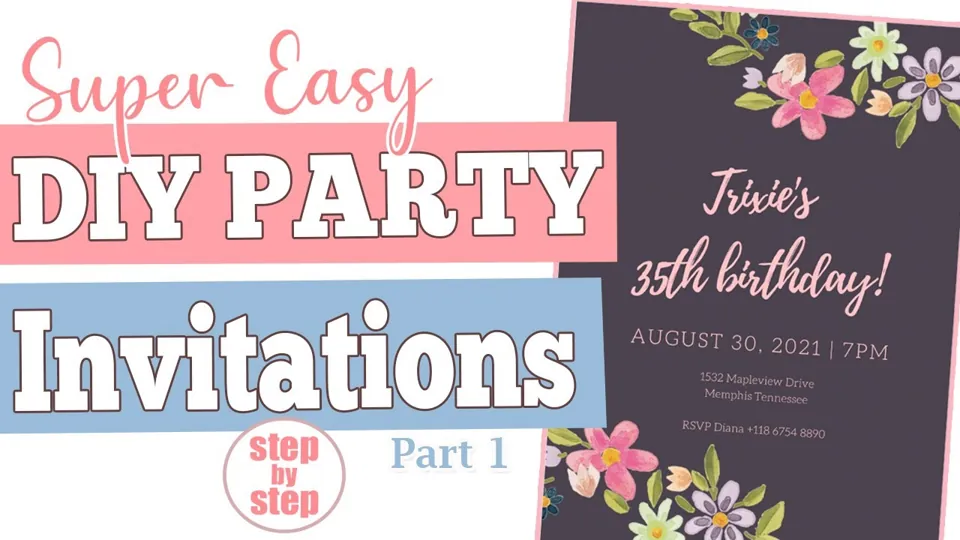
The YouTube player loads when you open the video. Watch on YouTube.
What should you clarify about guests and different ages?
A shared party does not automatically extend an invitation to siblings, partners or friends of the recipient. State who is included and provide a way to ask. For children, agree on supervision and pickup arrangements with the responsible adults rather than leaving each family to interpret an ambiguous invitation.
When activities differ by age, explain which parts are shared and which need separate space or attention. Holding them at the same party does not make every activity suitable for every age. Confirm what the venue can actually support before describing those arrangements to guests.
Check the union of two lists
Example without JavaScript: 7 + 4 − 2 = 9 distinct people. Matches must be confirmed; this result is not confirmed attendance.
How can you avoid implying that two gifts are expected?
The number of birthday people does not create a gift requirement. If both agree, you can briefly say that you would prefer to celebrate without gifts. Avoid pairing that preference with instructions that make two registries sound compulsory. Those messages contradict one another and leave guests guessing.
If someone asks privately, answer according to the decision you agreed on without comparing what other guests may bring. A gift question is not an RSVP and does not add a plus-one. Keeping these conversations separate prevents a friendly gesture from silently changing attendance numbers or the scope of an invitation.
Read more: How to Make a Guest List You Can Actually Use.
Who collects replies and signs off the final version?
Choose one reply channel and someone to consolidate changes, even when both people organize the party. Before sending, compare names, date, venue, times and the people included. Review the personal message accompanying the invitation too. An old explanation can contradict the current card even when the attachment itself is correct.
Convite lets you prepare QR invitations and share them using its available options. The list calculation and wording model on this page are blog aids, not a promise of automatic guest deduplication or RSVP collection inside the app. Check the current product features and terms before deciding how to organize entry.
Also read: How to Manage Invitations with Plus-Ones.
Before finalizing your plan
Must both ages appear?
Ages are optional. If included, pair each with the correct name without publishing a full date of birth.
Does a guest who knows both hosts count twice?
Count the person once. They may appear on both source lists; check overlaps before adding places.
Does a family reply confirm every family member?
Ask which included people will actually attend rather than inferring a headcount from one reply.
Can we make different invitations?
Use separate versions when needed, while keeping shared facts and each group’s actual arrangements clear.
Does a joint party require two gifts?
Do not turn the number of birthdays into a gift requirement. Agree on a preference and communicate it without pressure.
Does Convite automatically merge the lists?
This page does not claim that app feature. The calculation is a local blog aid; check Convite’s current features on its site.
Sources and helpful reading
Practical guide from the editorial team. Examples are for guidance; adapt decisions and requirements to your event.
- Convite: current features and terms: Product source; blog aids are separate.